
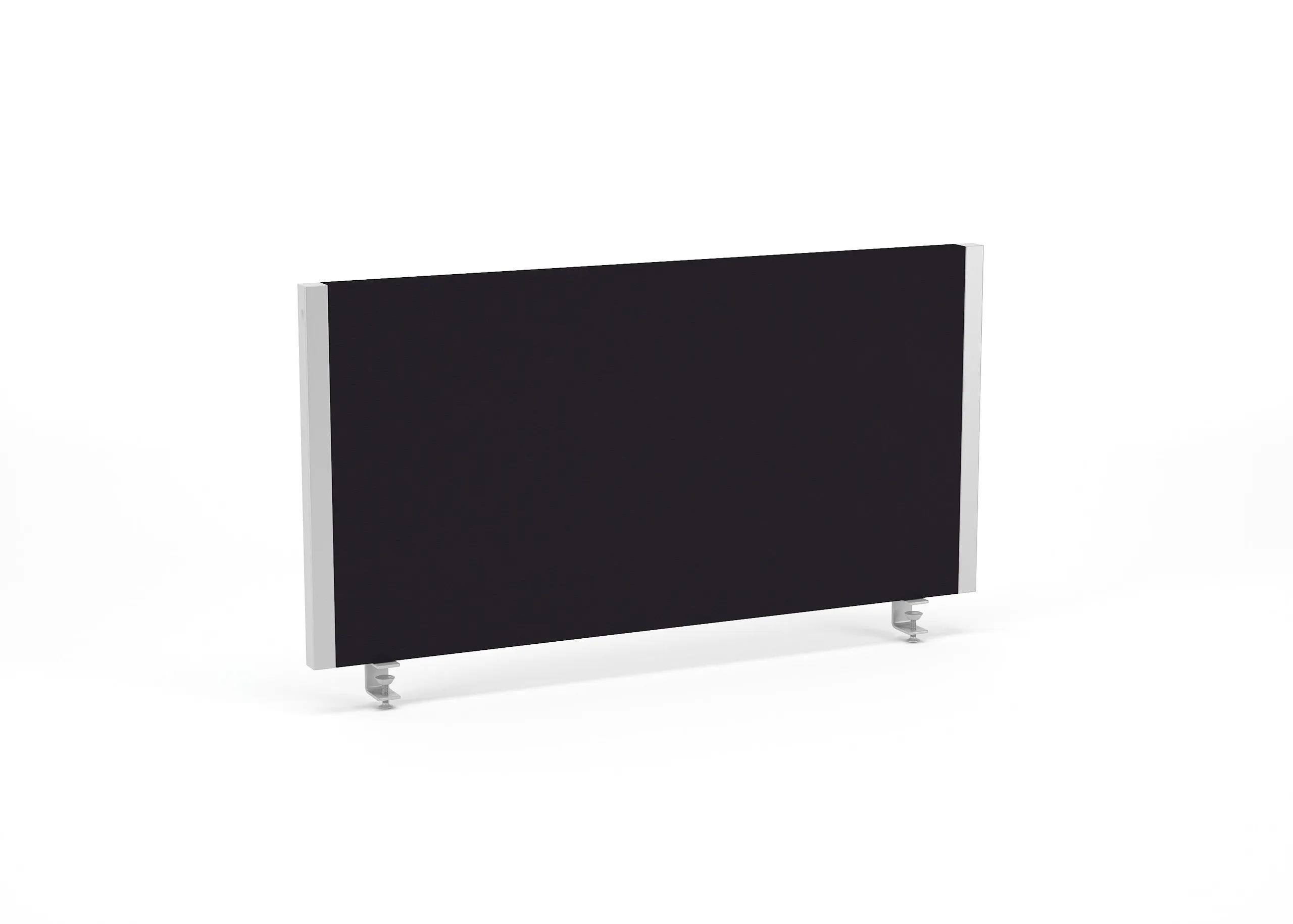
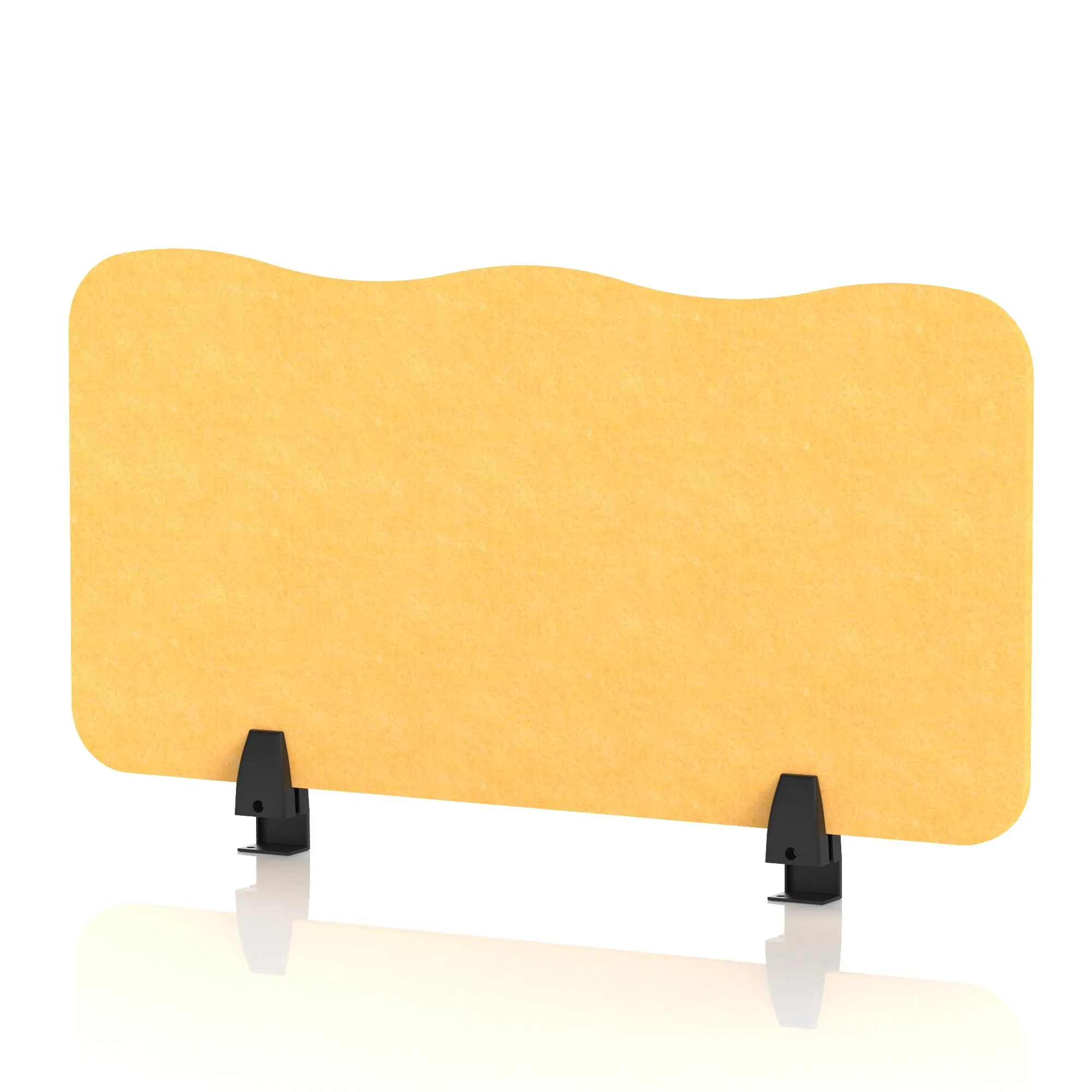
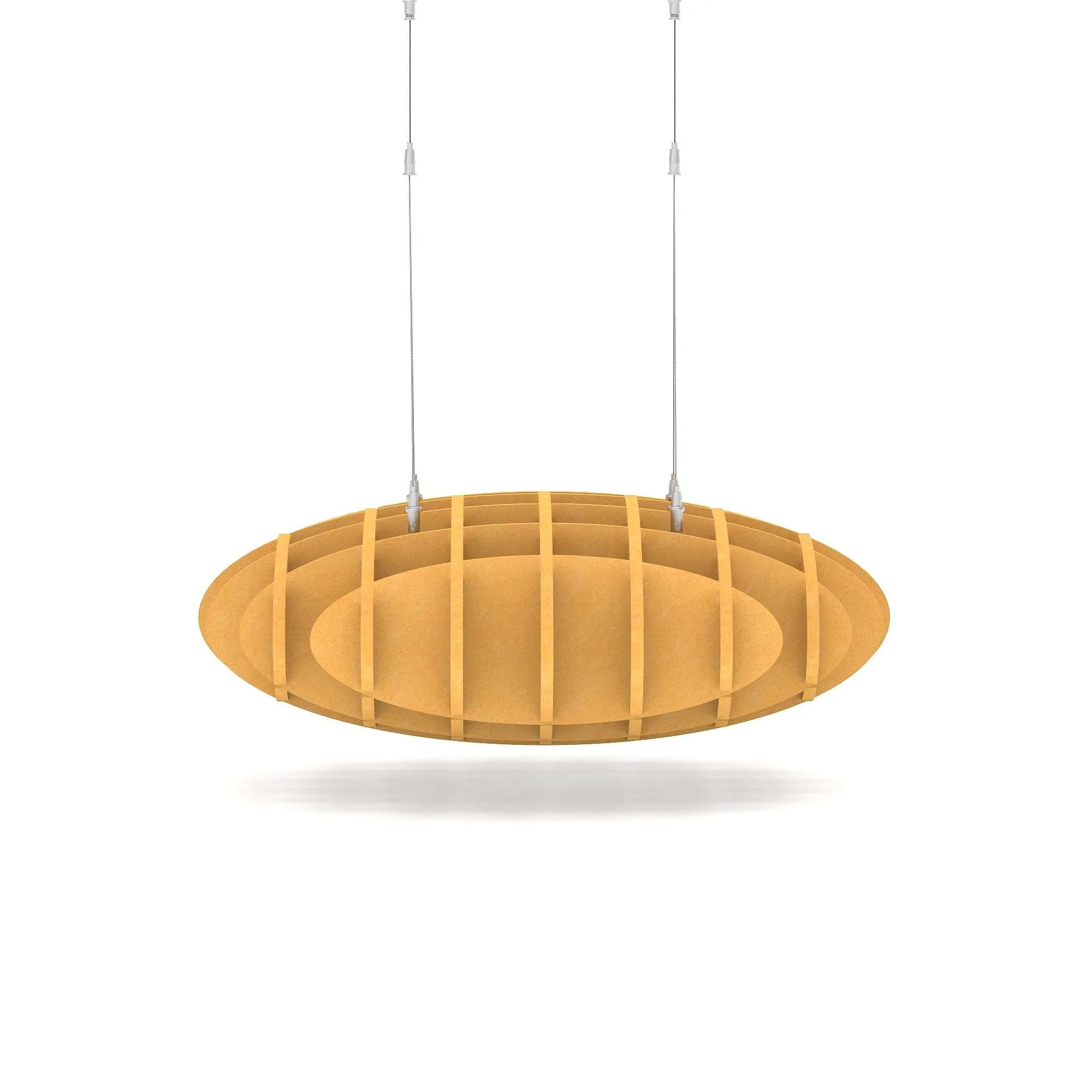
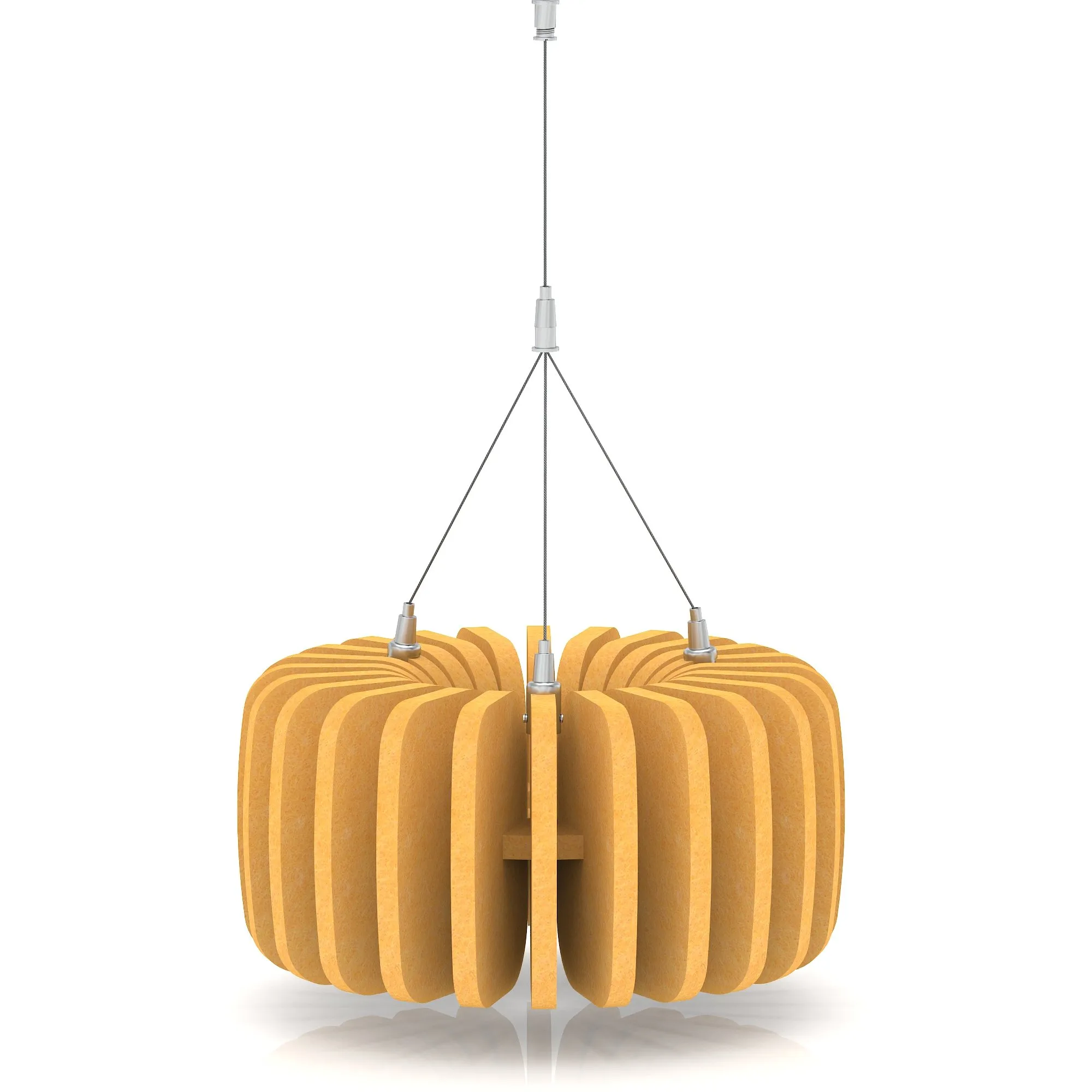





Acoustic screens and sound absorption
Open-plan offices are noisy because hard surfaces reflect sound, not because there are no dividers. Work Furniture Direct sells acoustic products that work, and the honest position is that a few well-placed panels beat a room full of screens that only block the line of sight.
Blocking sight is not blocking sound
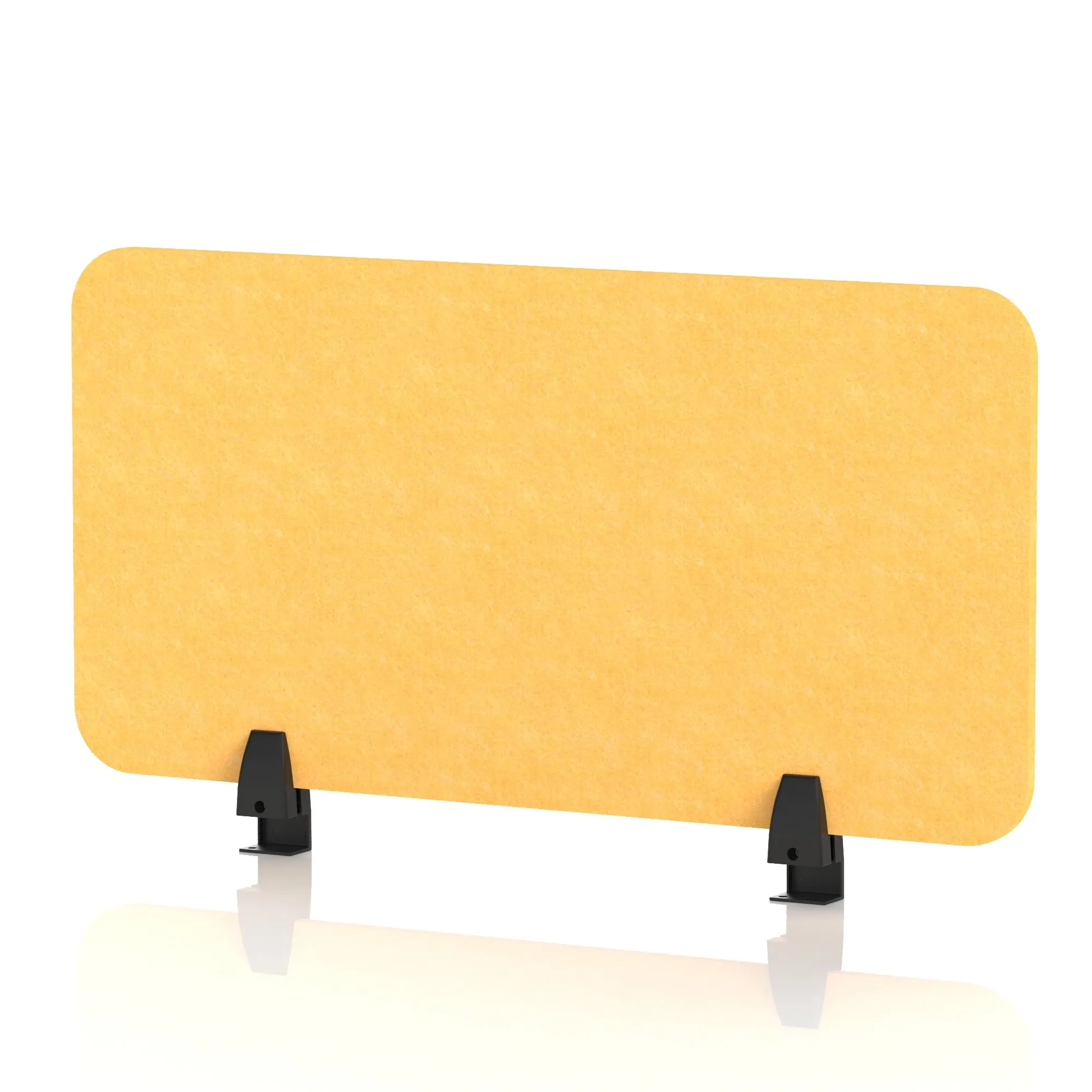
A low desktop screen stops people looking at each other. It does very little to stop them hearing each other. If noise is the complaint, the fix is absorption on the hard surfaces above and around the space, not more dividers between desks.
Desktop and acoustic screens are still worth having for focus and a sense of personal space, but buy them for that reason rather than expecting quiet.
Treat the ceiling and the walls
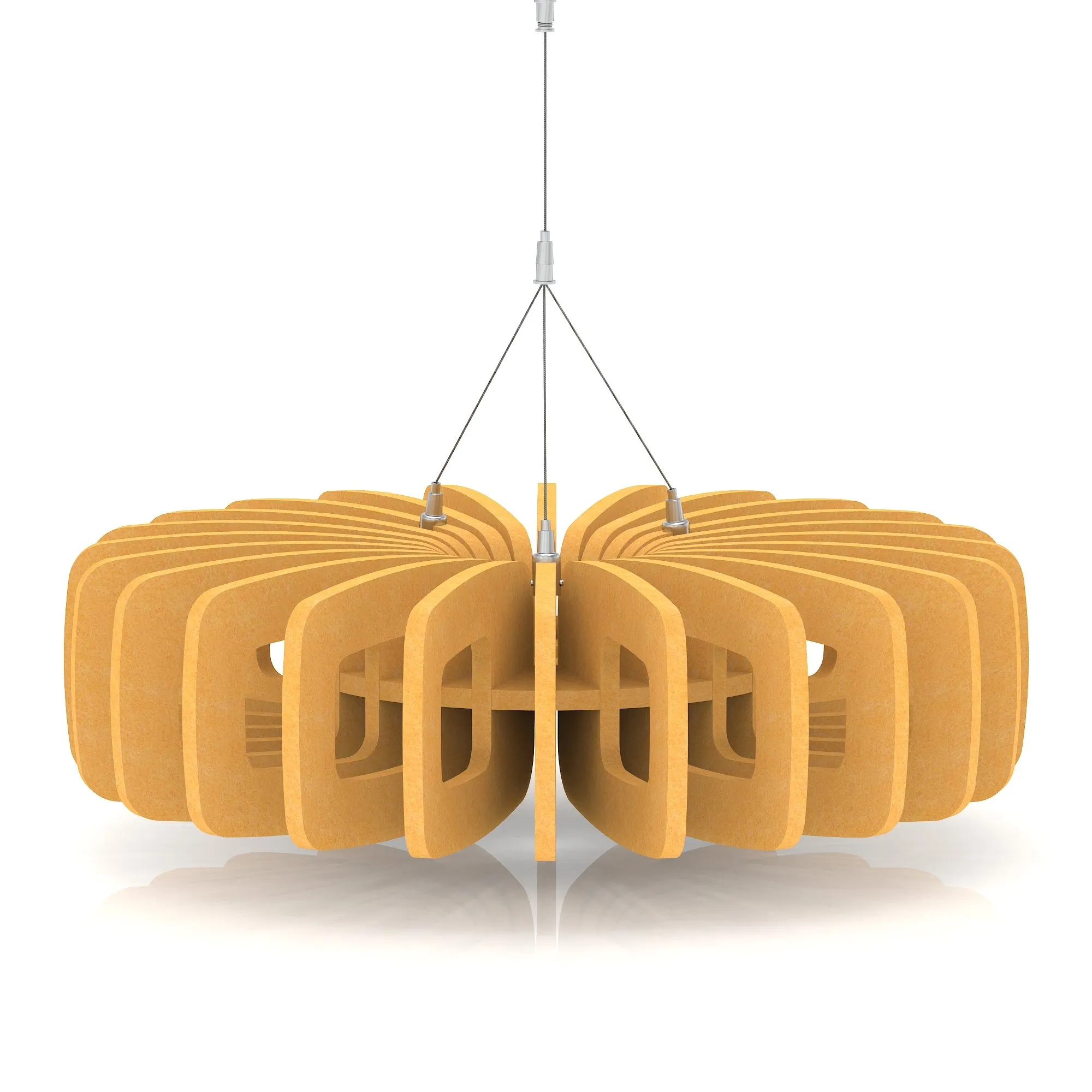
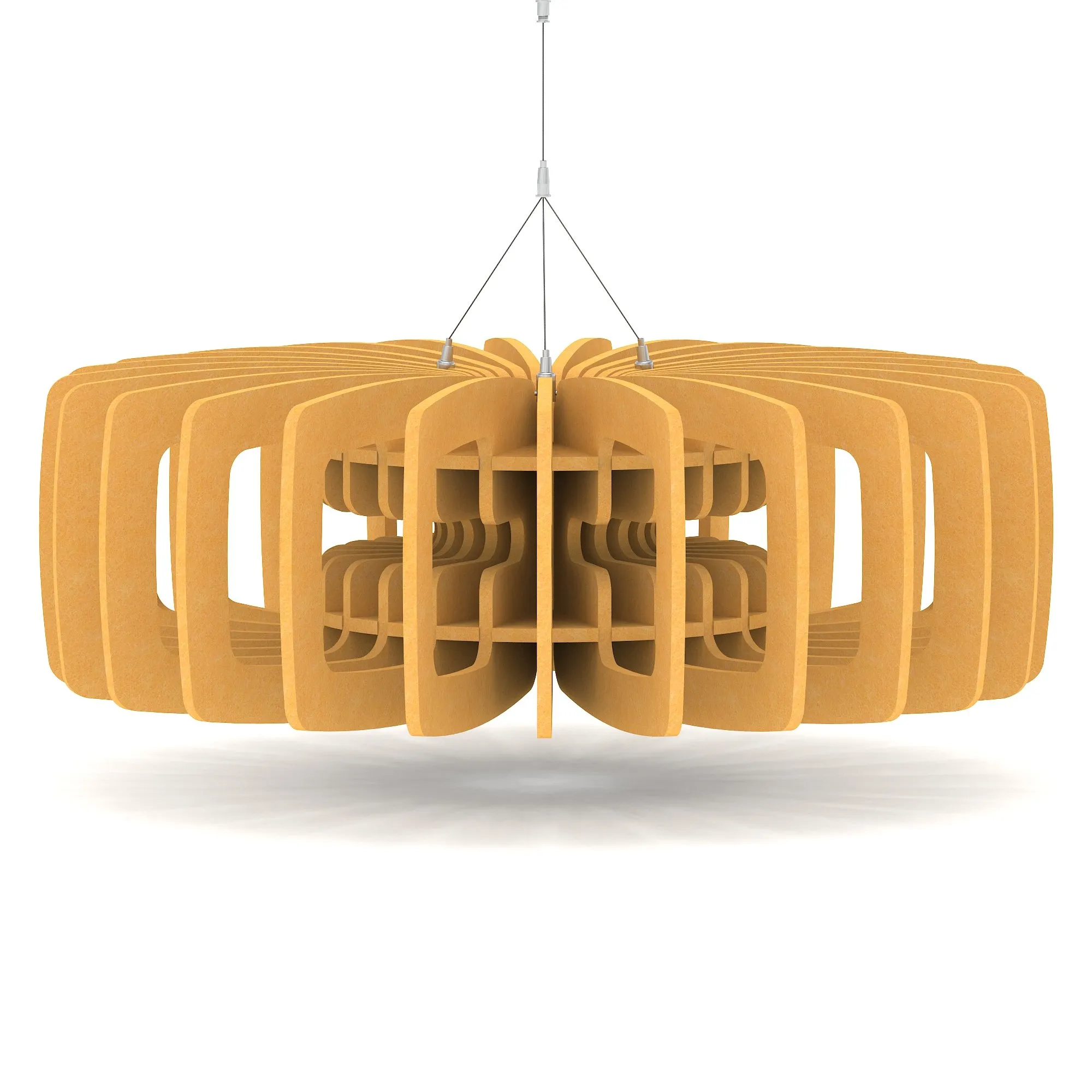
Most offices have a hard floor, a hard ceiling and glass on one side. Absorption overhead usually gives the biggest single improvement, because that is the largest untreated surface in the room.
Start with the noisiest area rather than treating everywhere evenly. A small amount of material in the right place outperforms a lot spread thinly.
When to use a booth instead
If the real problem is calls, no amount of screening will fix it. Privacy booths and pods solve the actual issue by containing the noise at source, and they usually cost less than treating a whole floor.
Where to start
If the complaint is calls, start with privacy booths and pods. If it is general open-plan noise, treat the largest hard surfaces first and add desktop and acoustic screens for focus rather than for quiet.
Soft furnishings help at the margins. Soft seating absorbs some sound, but far less than people expect, so do not buy it as an acoustic fix.