
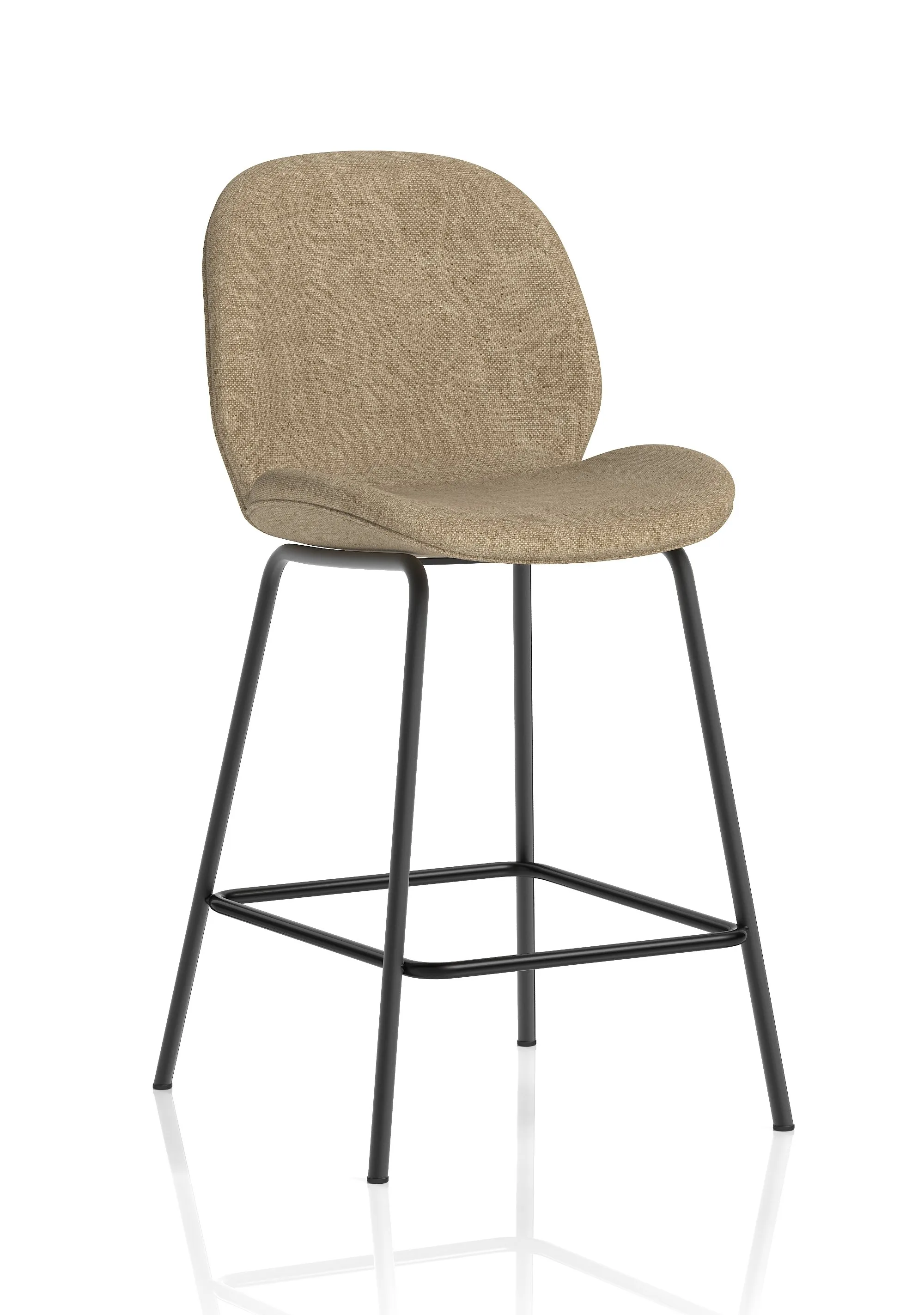
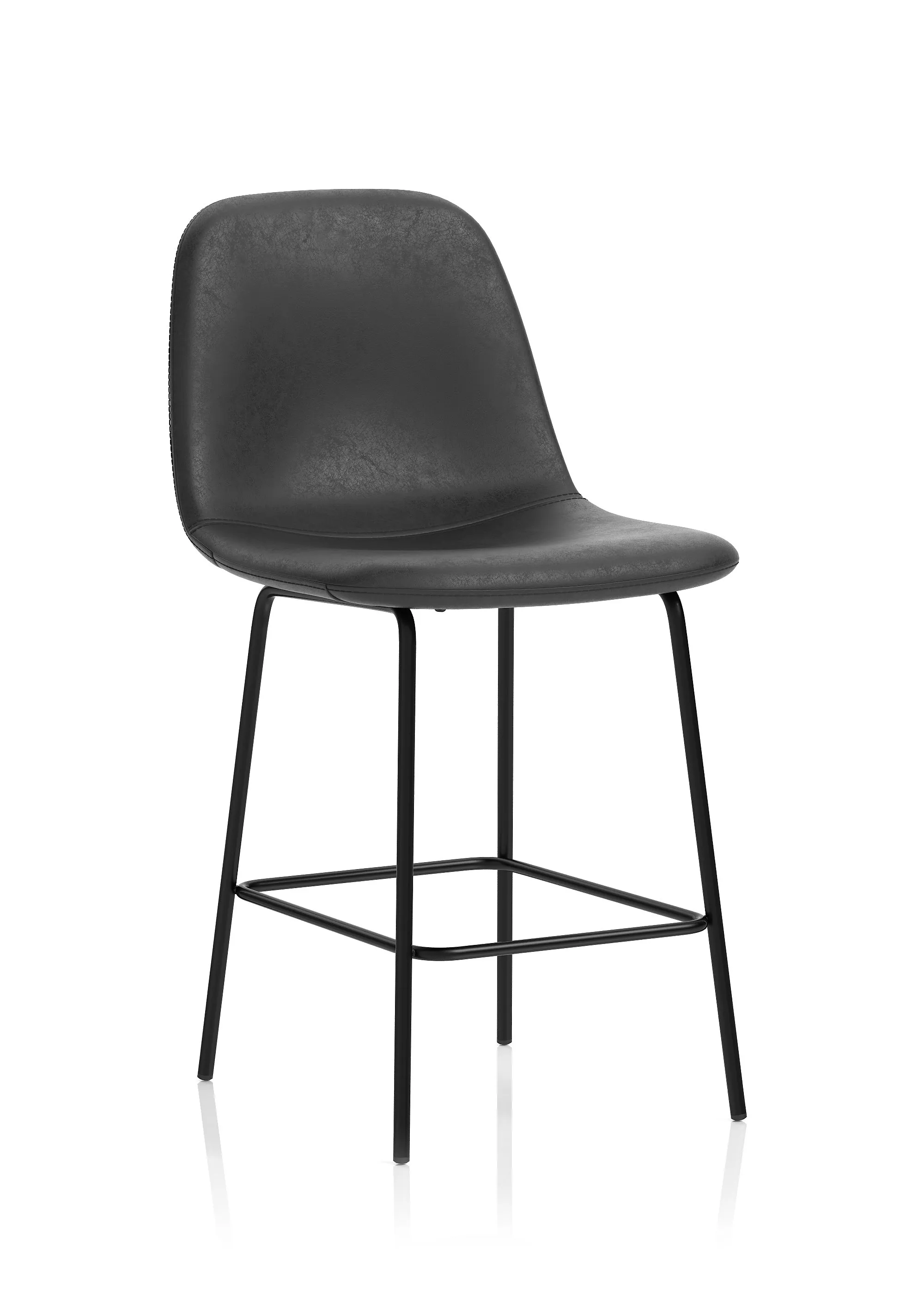
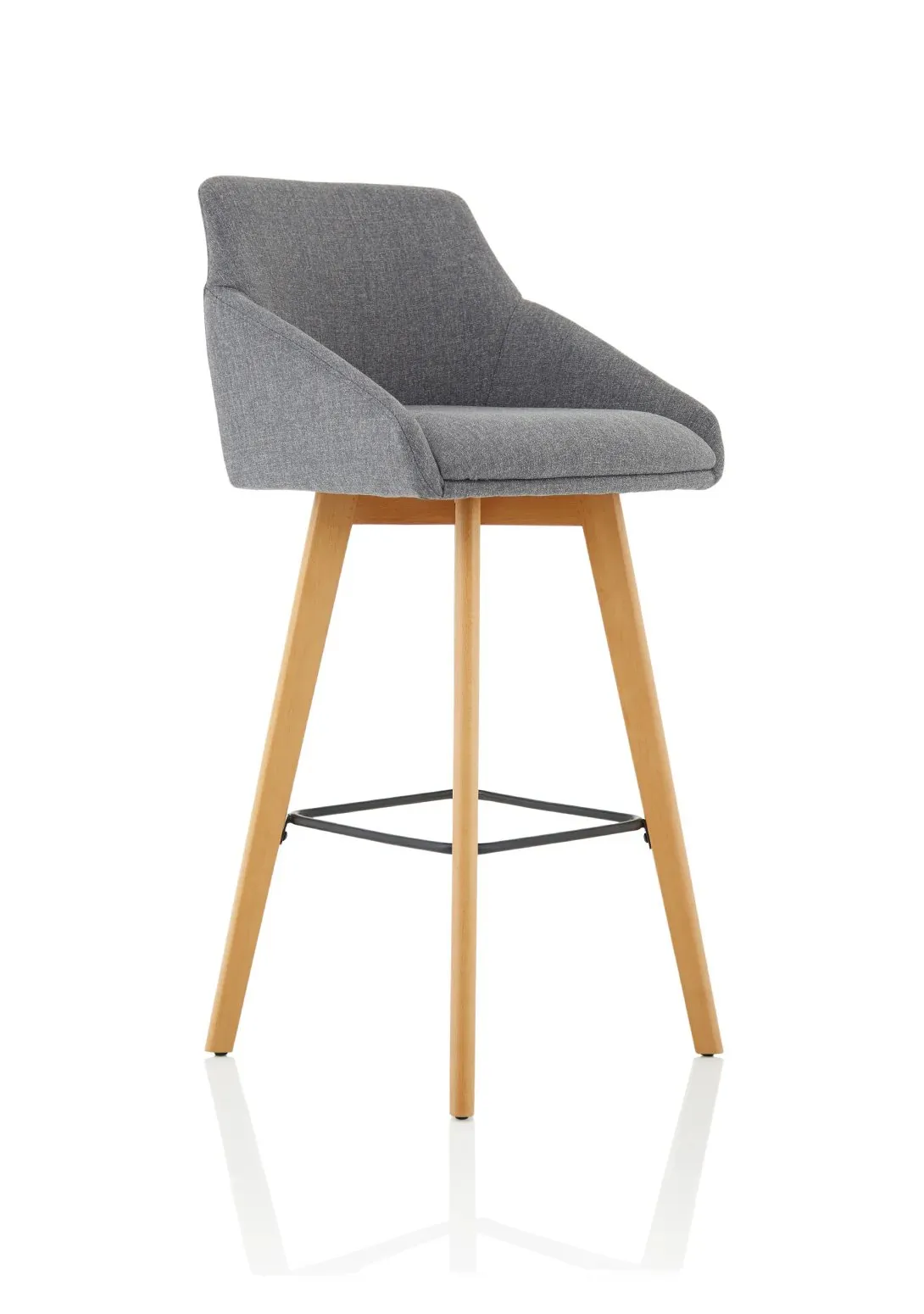
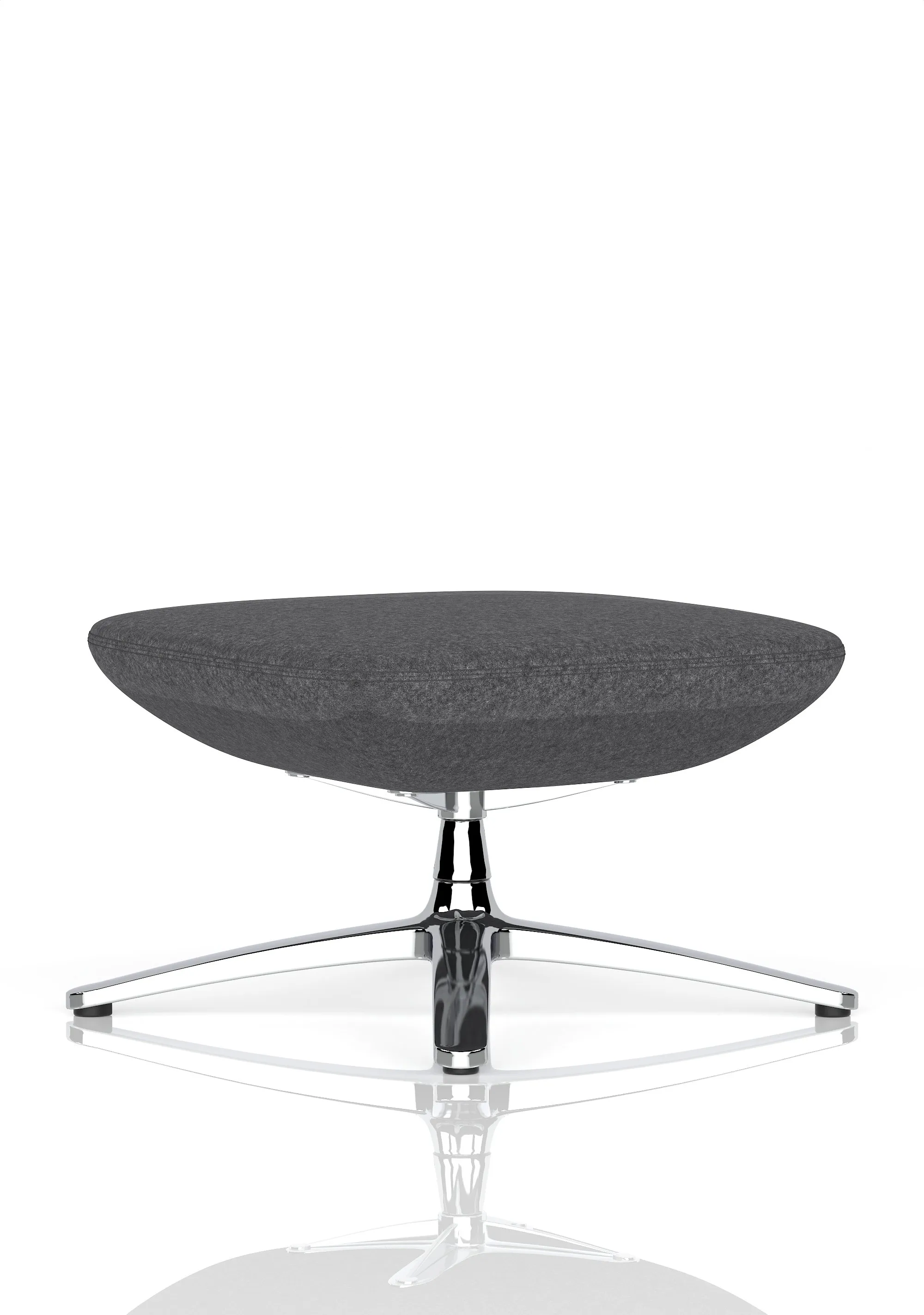
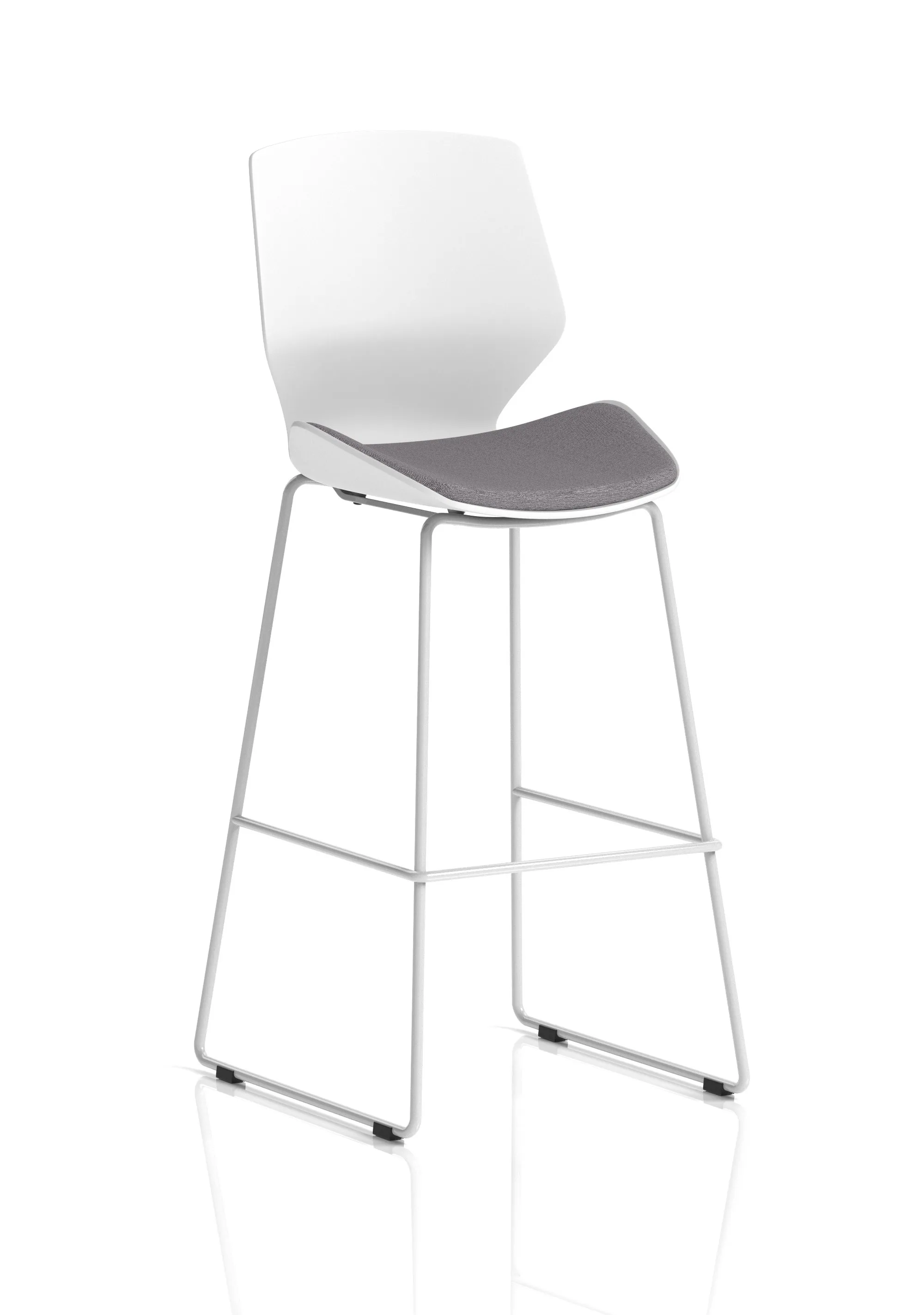
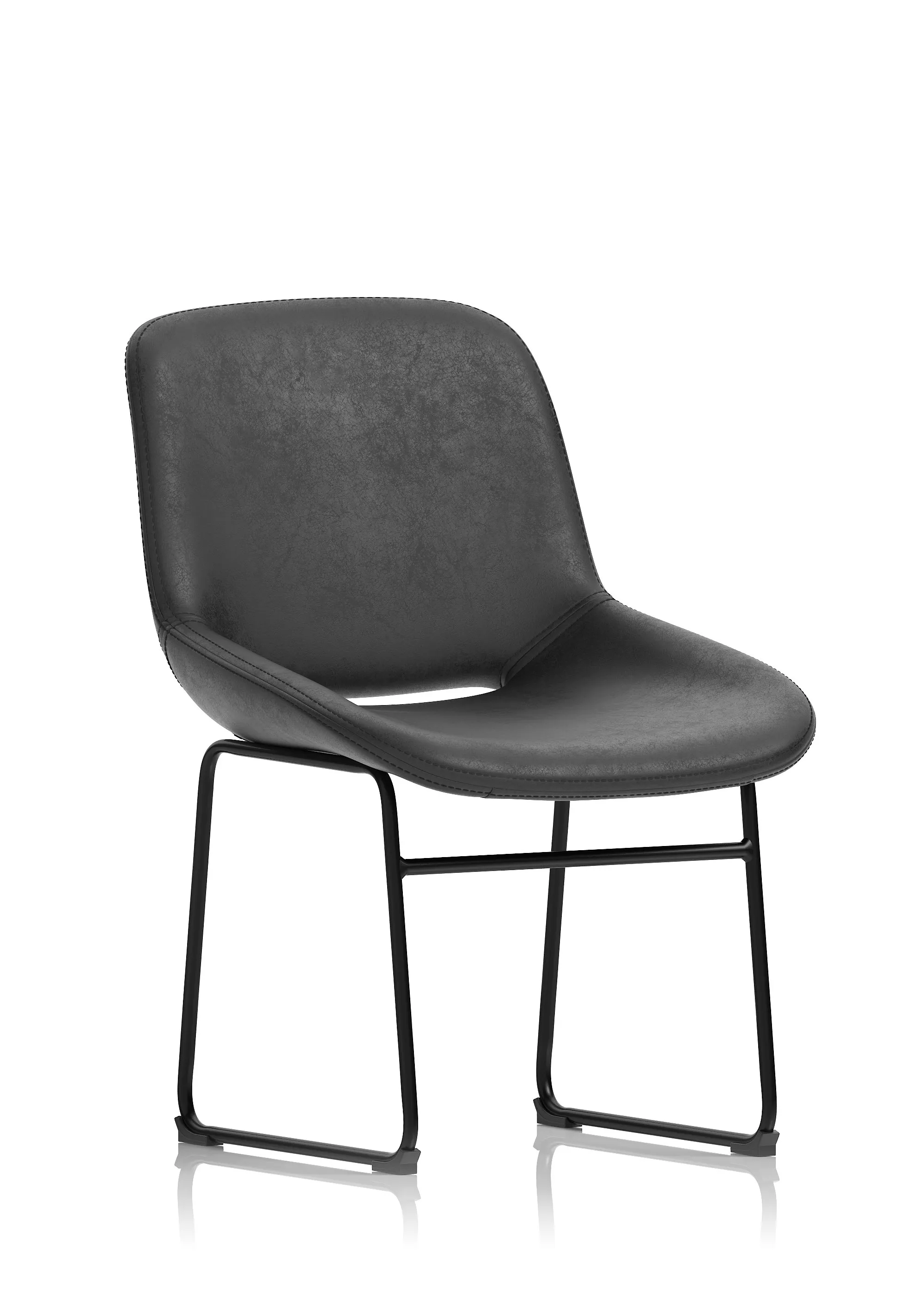
Stools and draughtsman chairs
For anywhere the work surface is higher than a desk: benches, counters, reception points and standing desks used part-time.
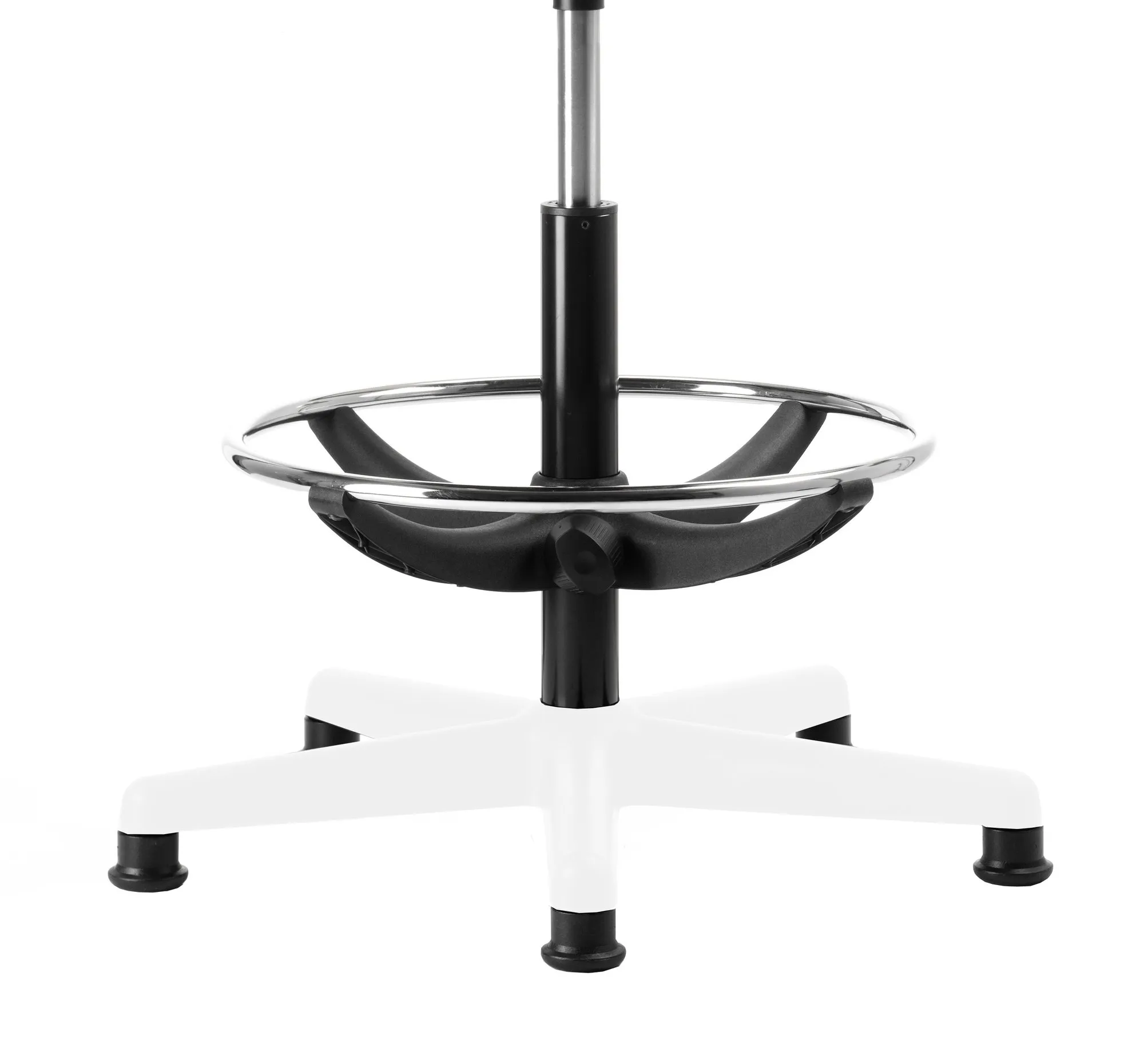
The footring is the part that matters
At stool height feet do not reach the floor, so a footring is not a detail, it is the difference between a usable seat and dangling legs. Check it is adjustable, or at least at a sensible height for the bench it will sit at.
Match the height to the surface
Measure the work surface first. A stool sold as "high" may still be short for a laboratory bench, and a draughtsman chair with a wide gas-lift range is more forgiving if the surface height varies between rooms.
Comfort at height
Sitting at stool height puts more load through the lower back than desk height does, because the hips open and the feet carry less. A seat with a slight forward tilt and a supportive back makes a long shift at a bench noticeably easier.
For counters used in short bursts, a simple perch stool is fine. For anyone at a bench for hours, specify it as carefully as you would a task chair.
Ranges we stock
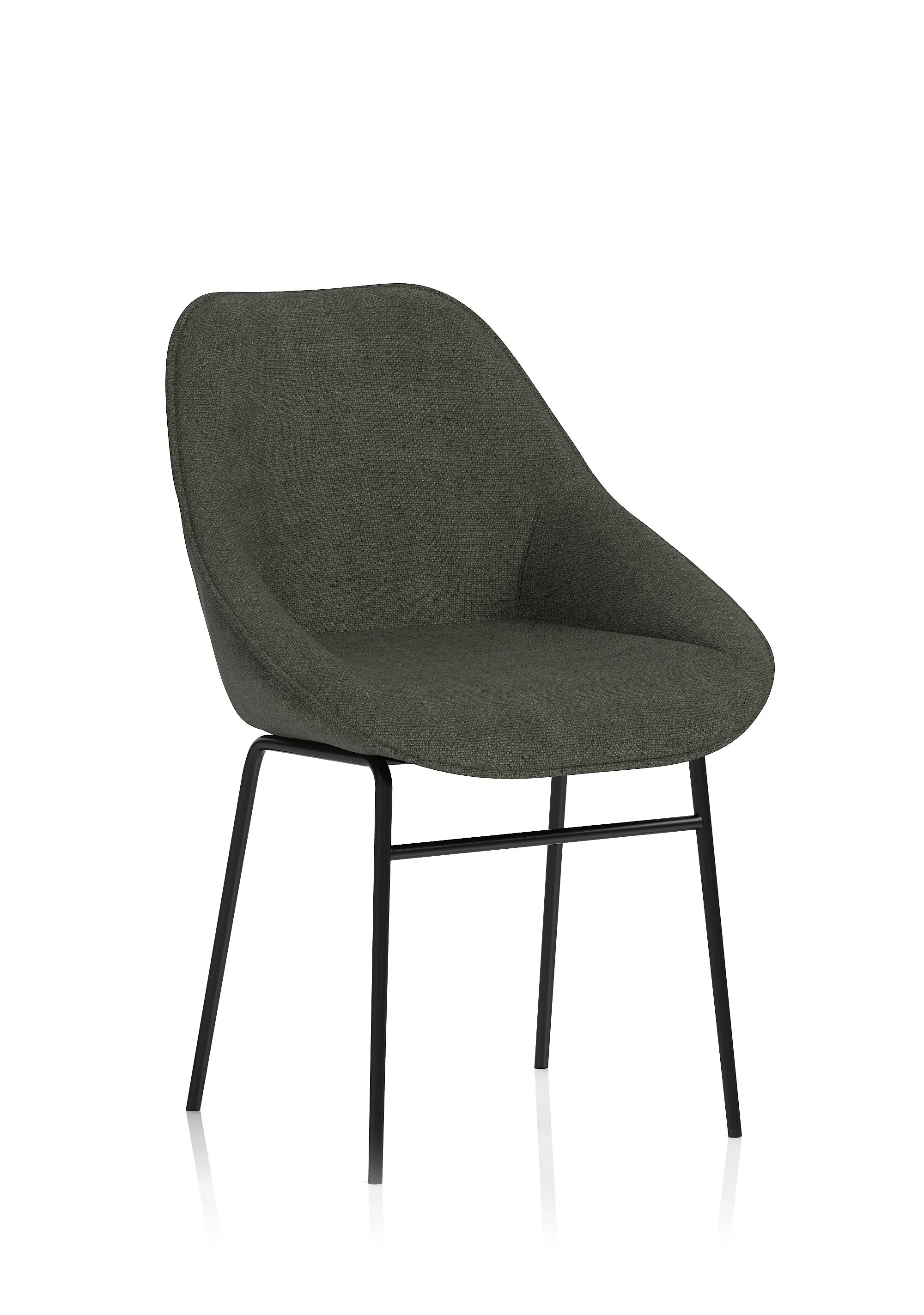
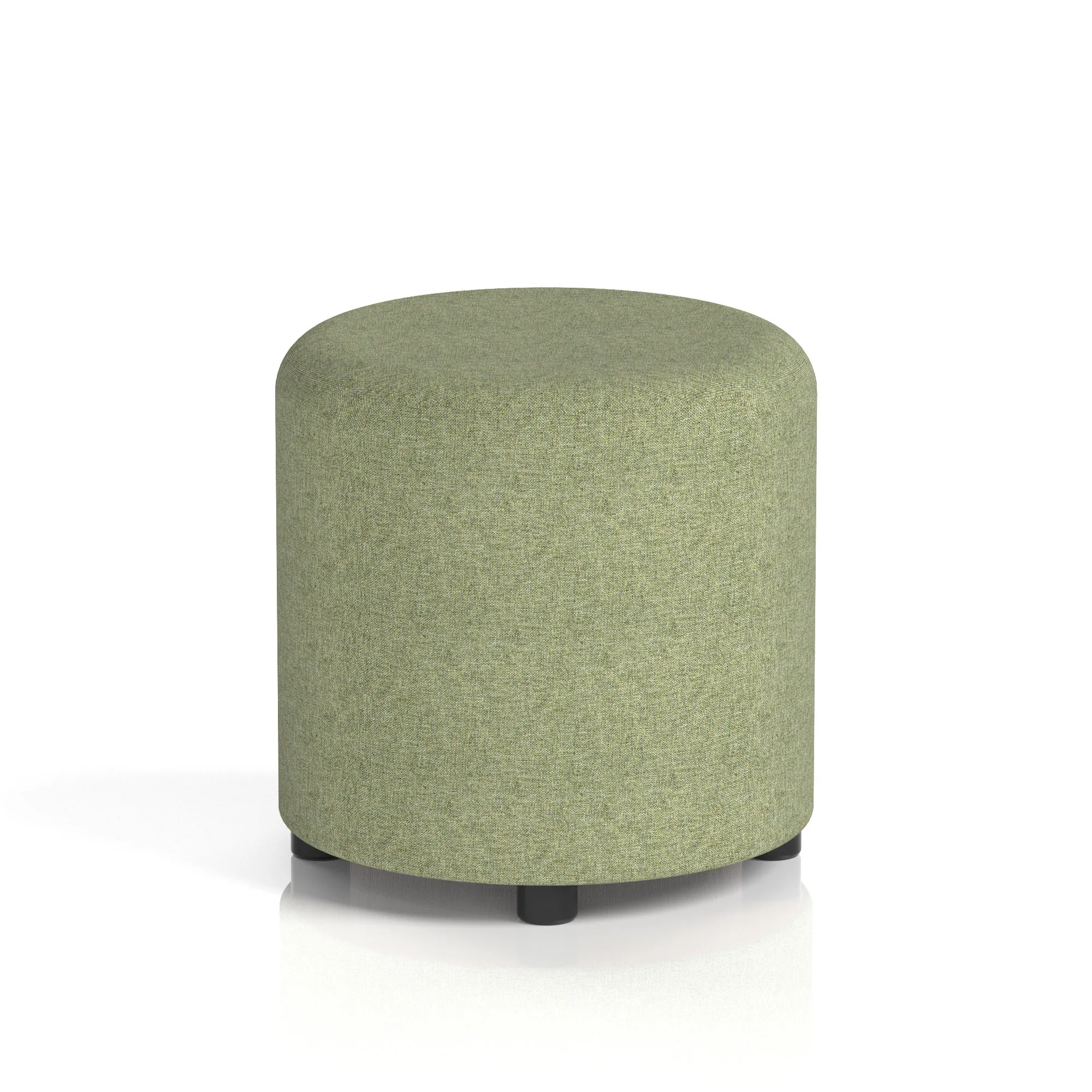
Draughtsman versions of the Chiro and Eclipse chairs cover bench and counter work, and the Stowe and Harlestone stools suit canteens and breakout areas. Match the height to the surface, and see bistro and café tables for the pairs that already work together.