
Office storage that stays useful
Most offices buy storage for the volume of paper they had five years ago. Work Furniture Direct supplies the full Dynamic storage range, and the question worth asking first is what actually needs to be stored, because the answer is usually less paper and more personal belongings than the old plan assumed.
What each type is for
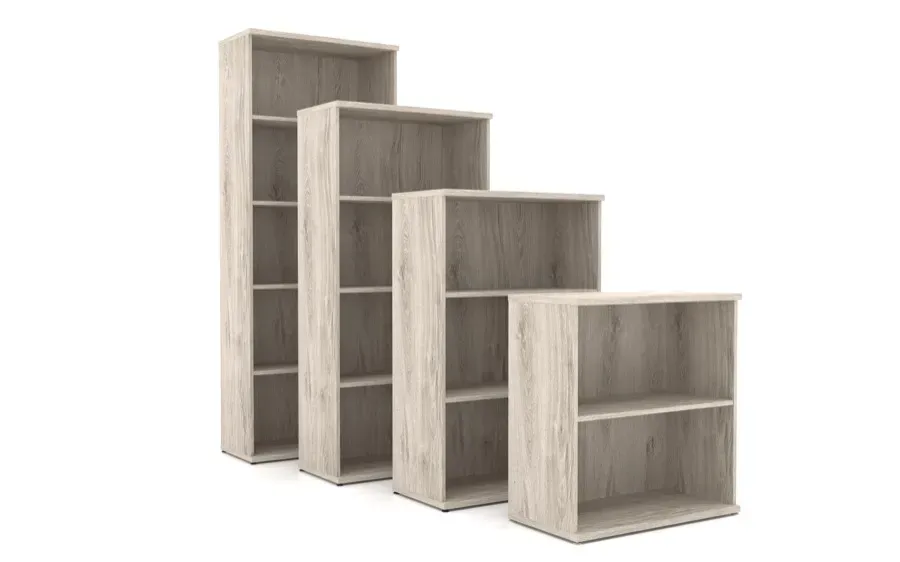
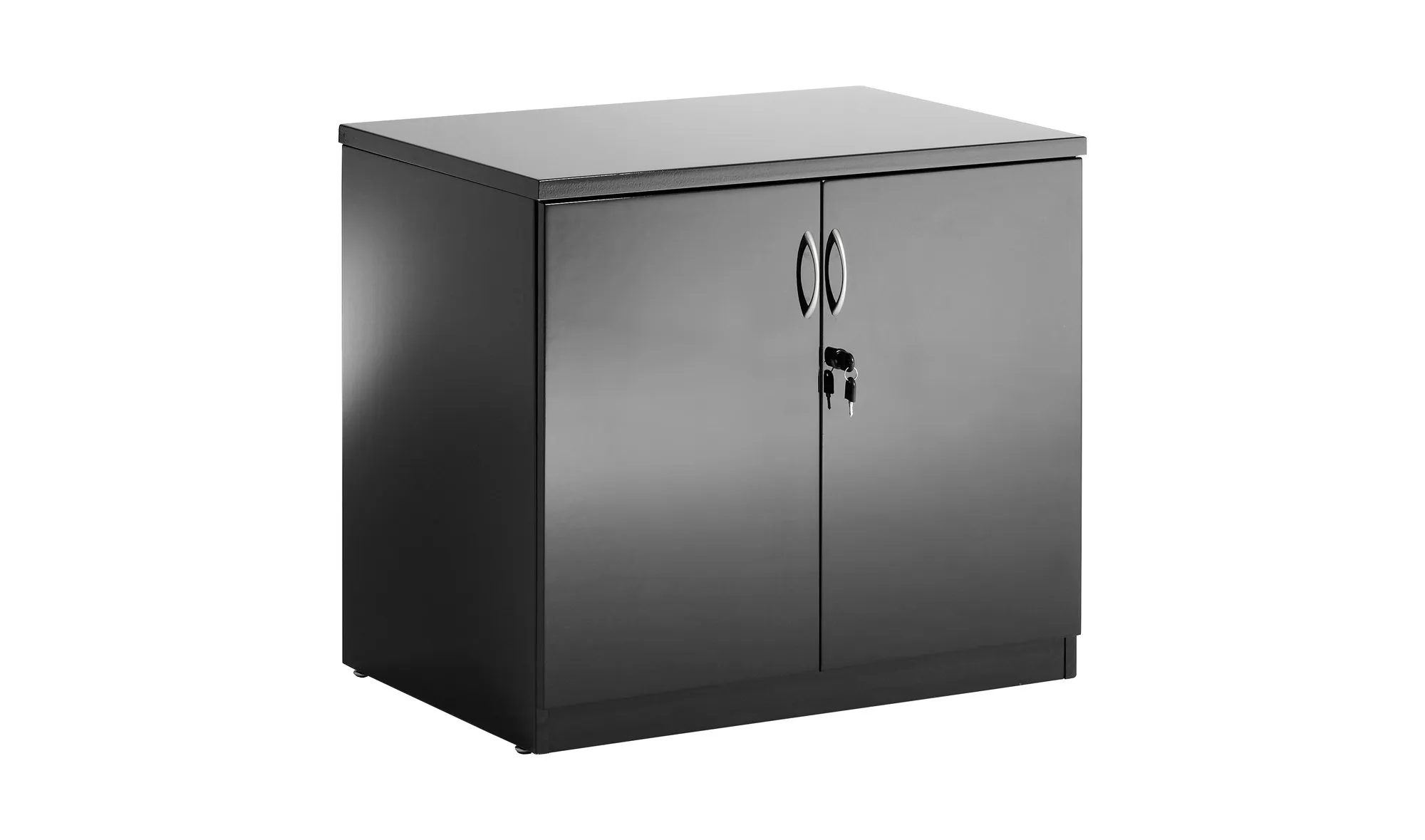
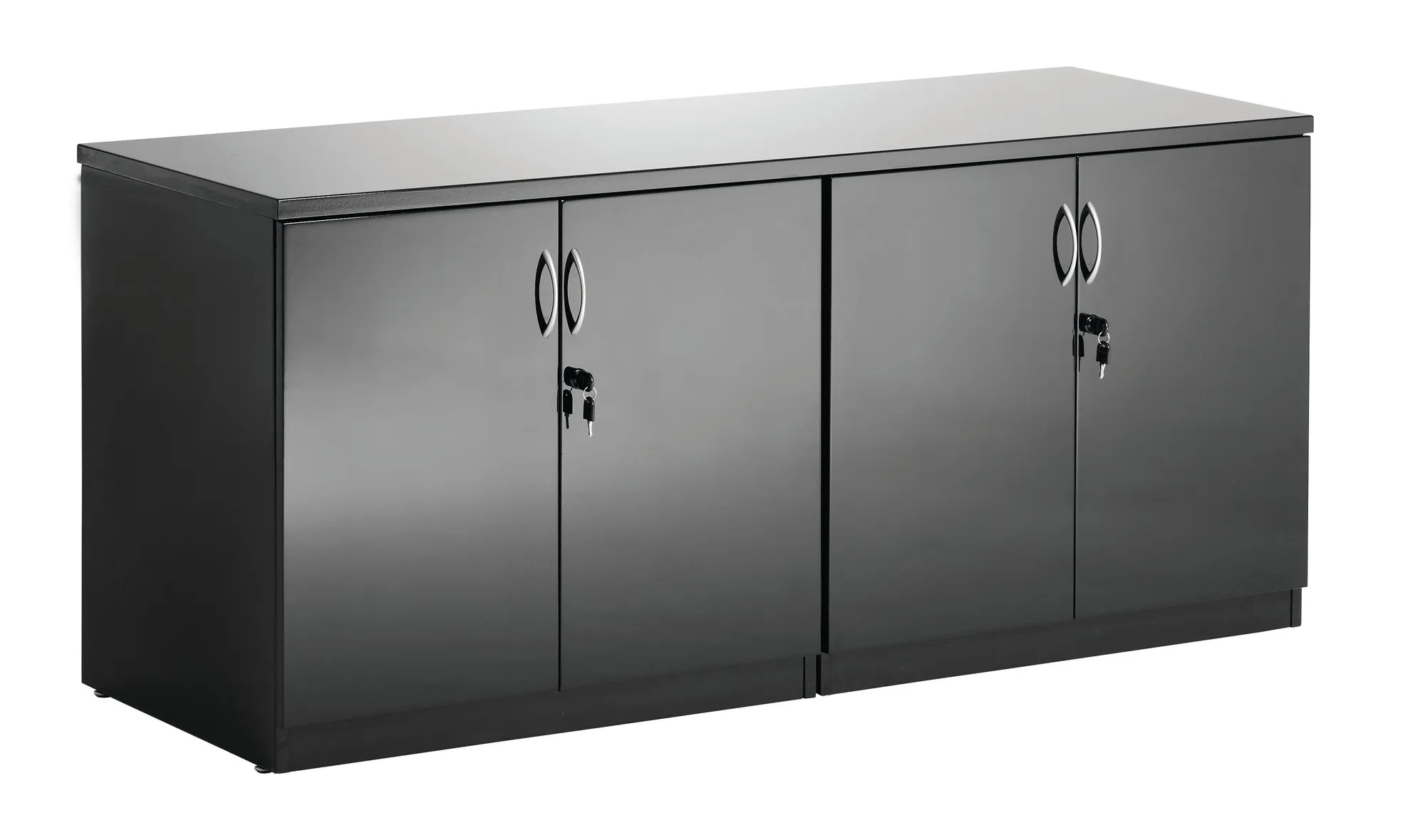
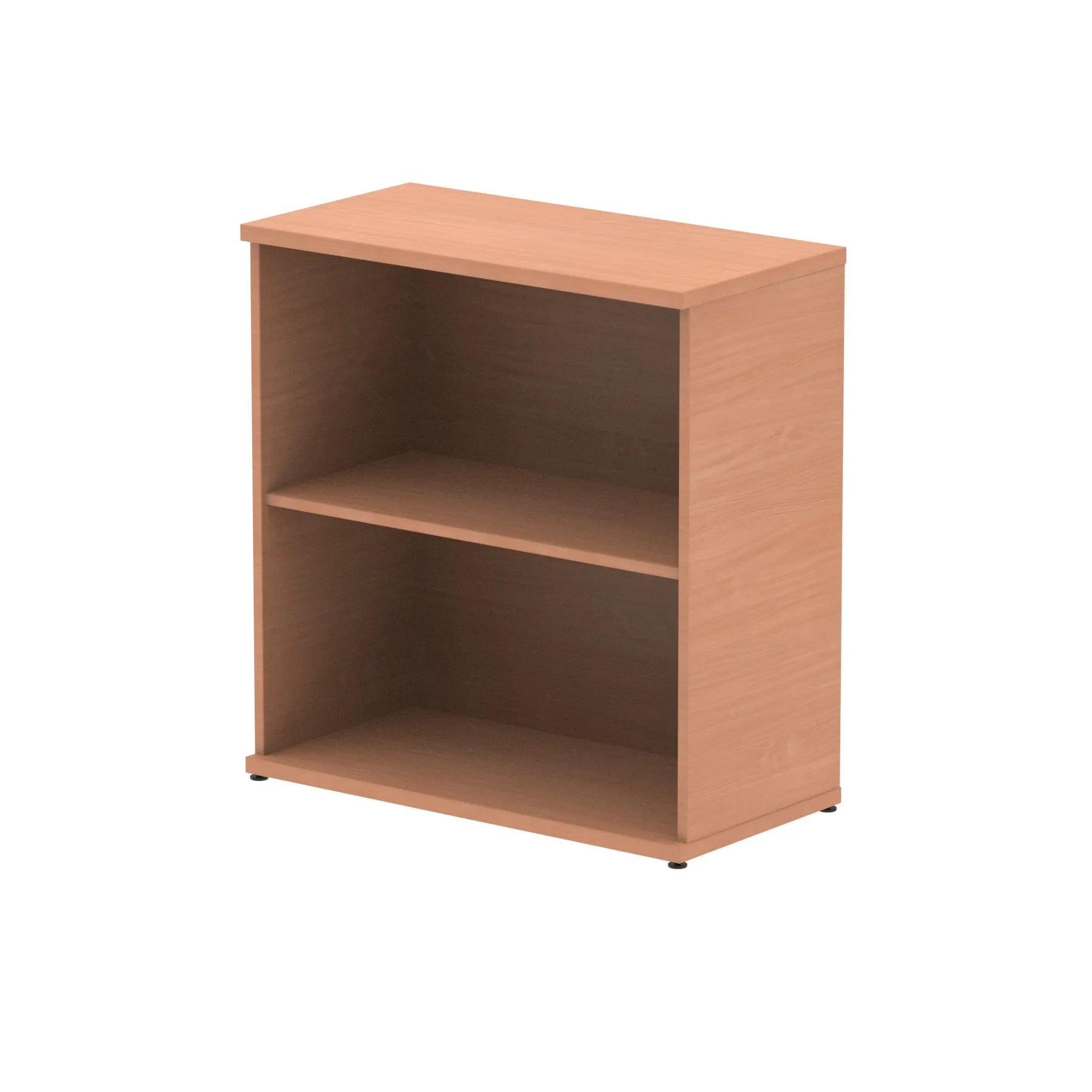
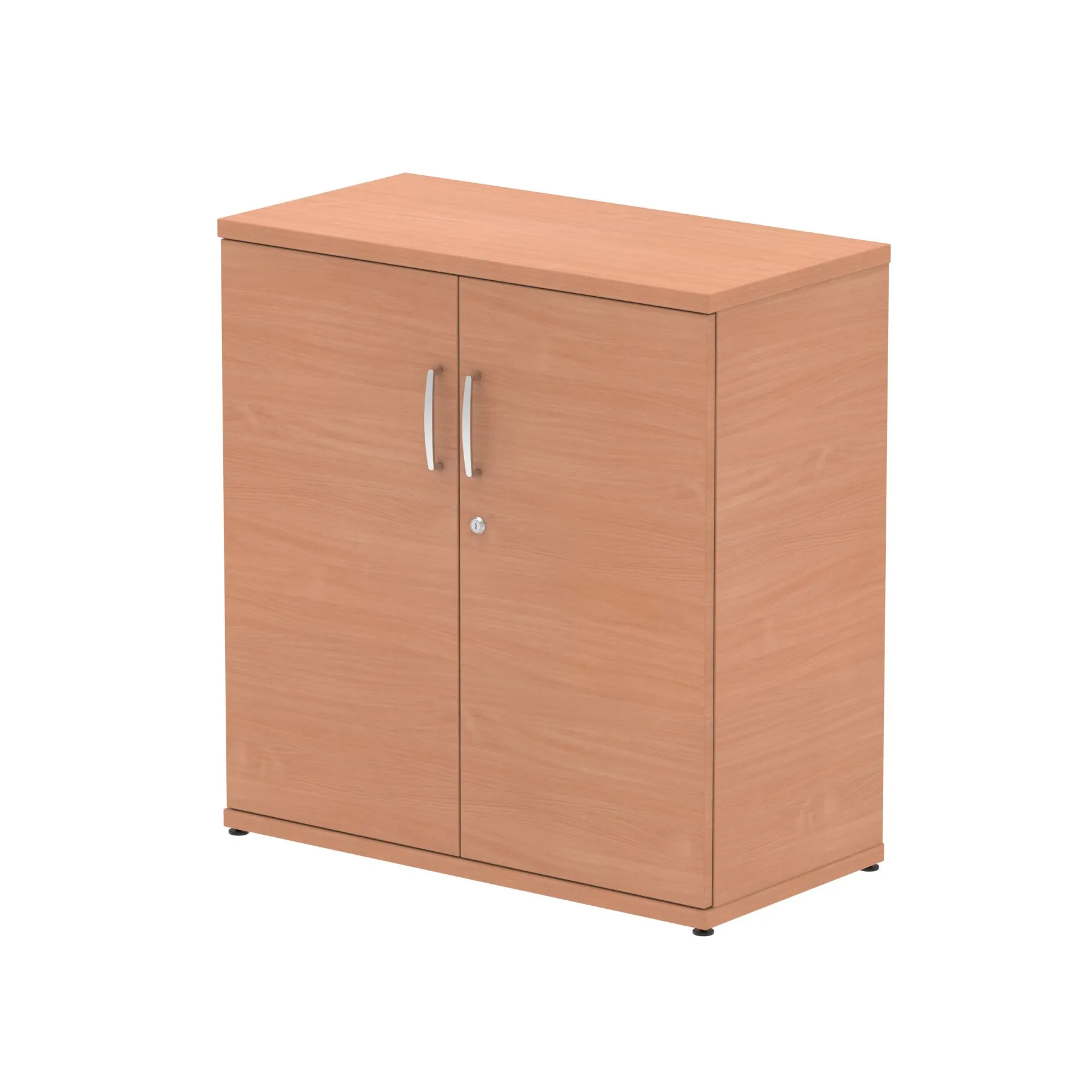
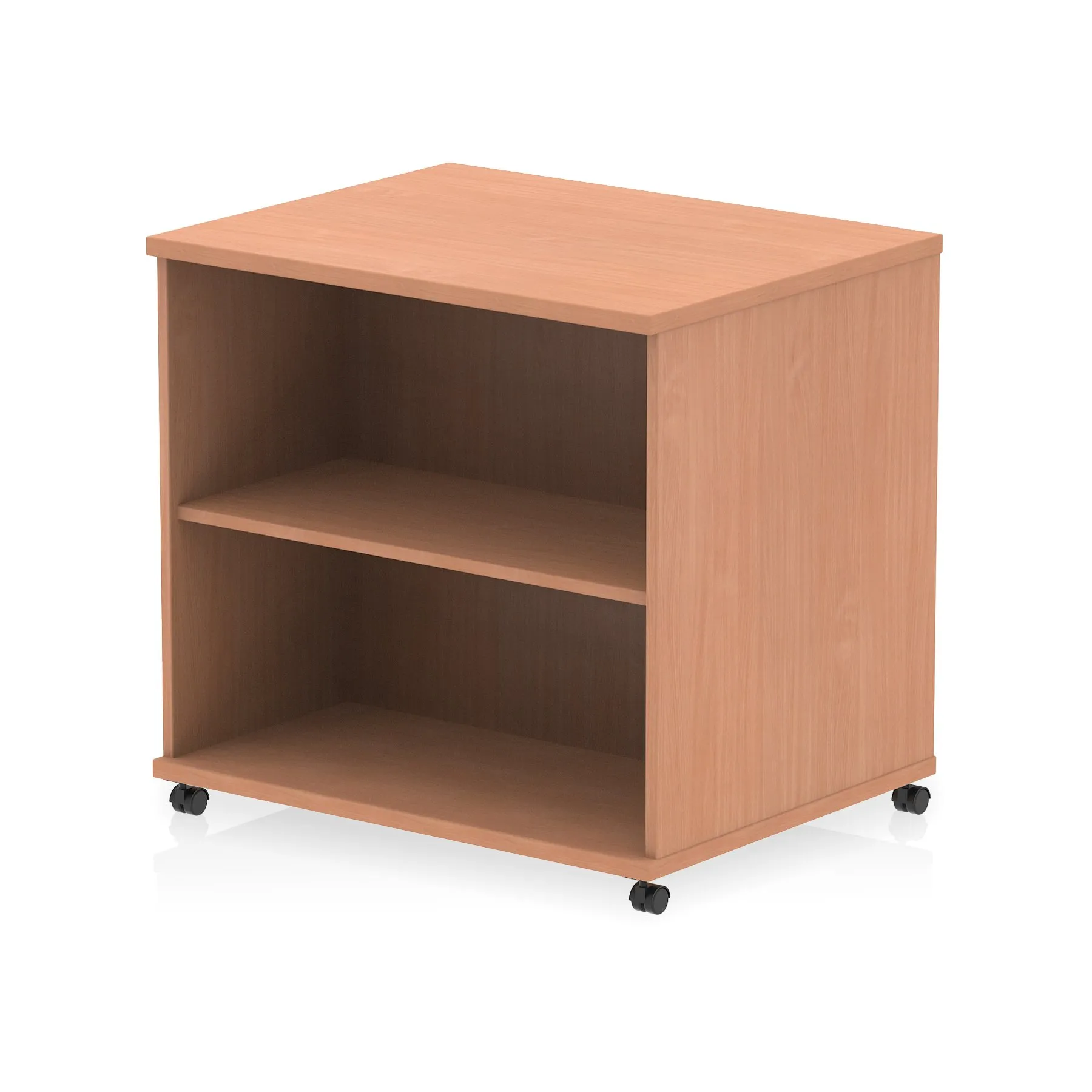
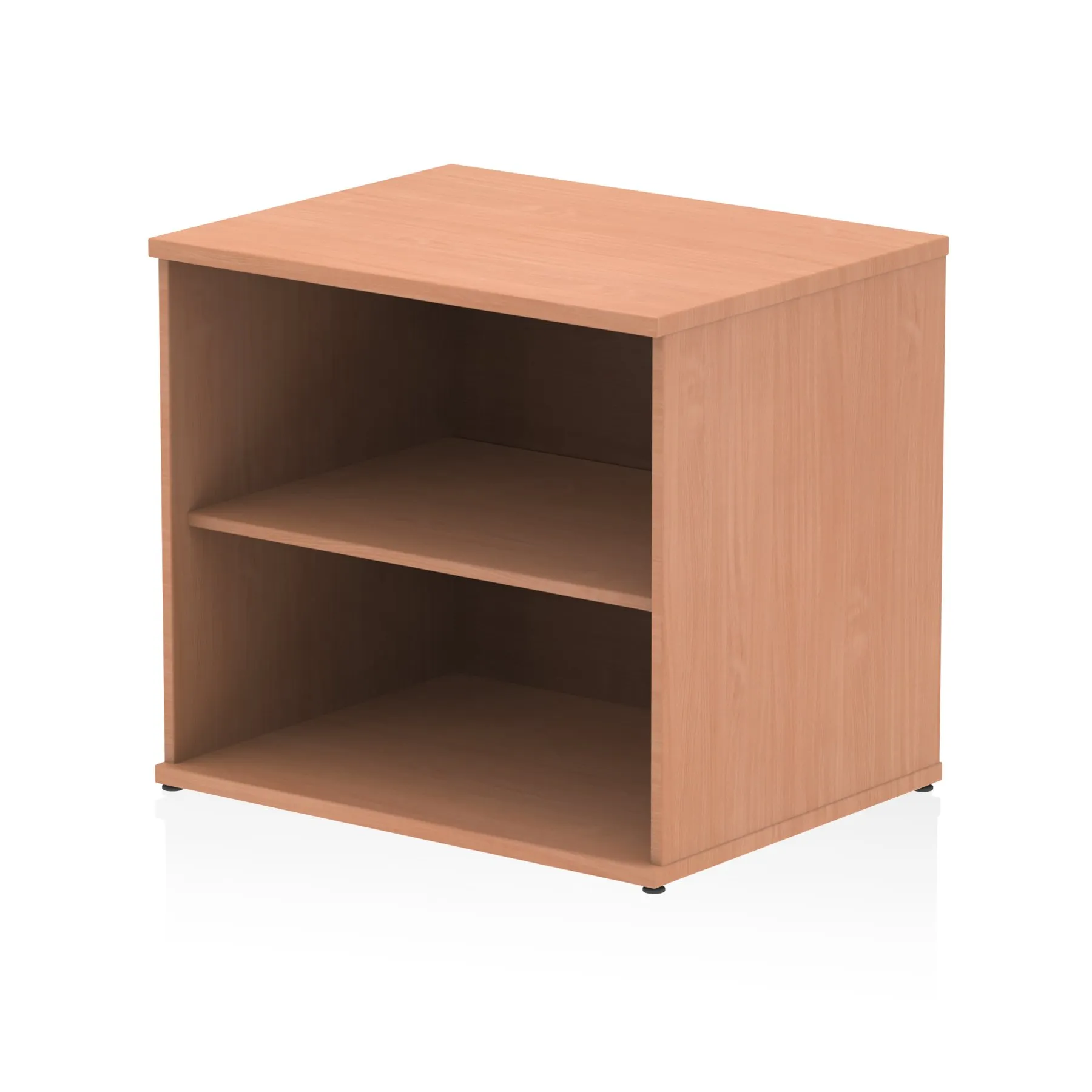
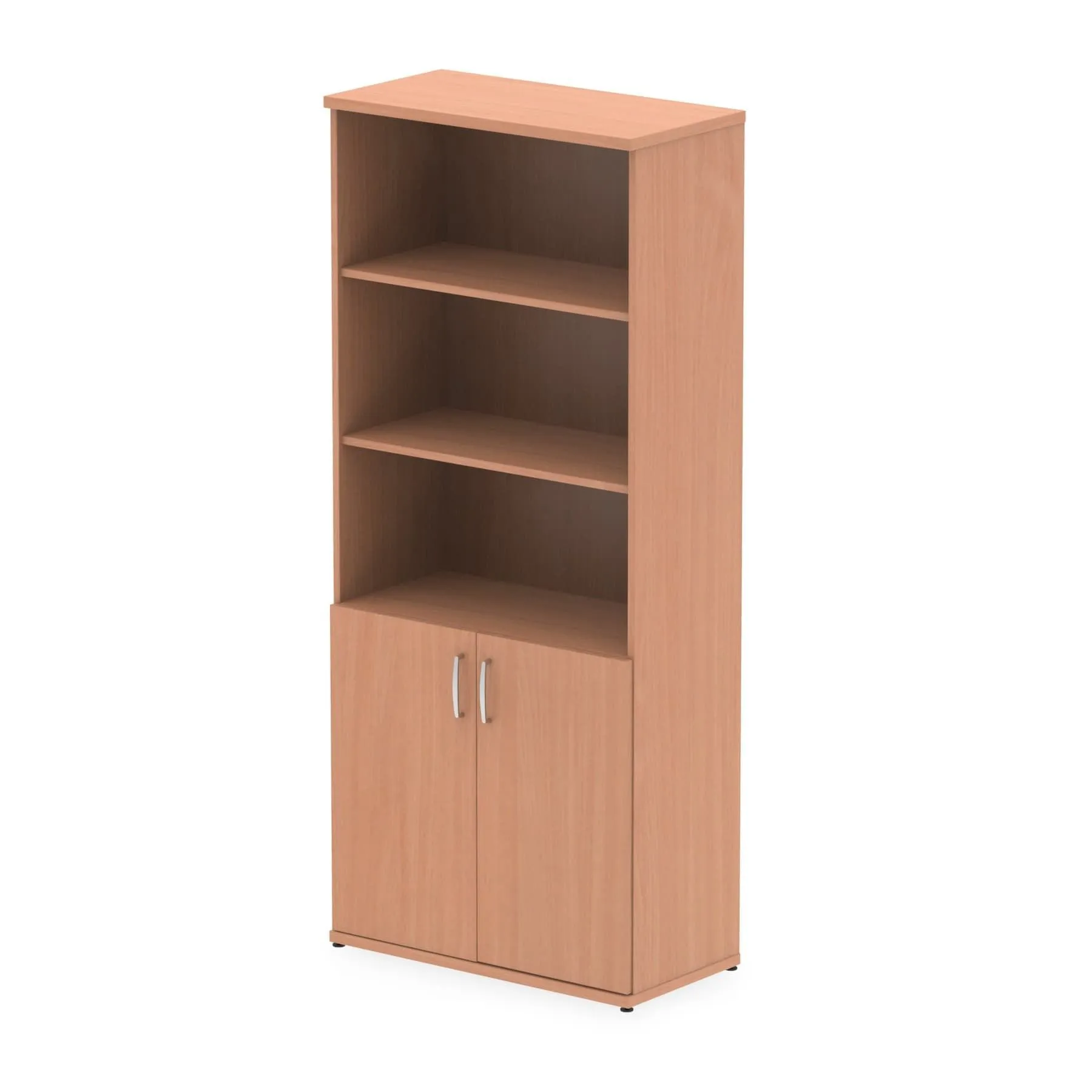
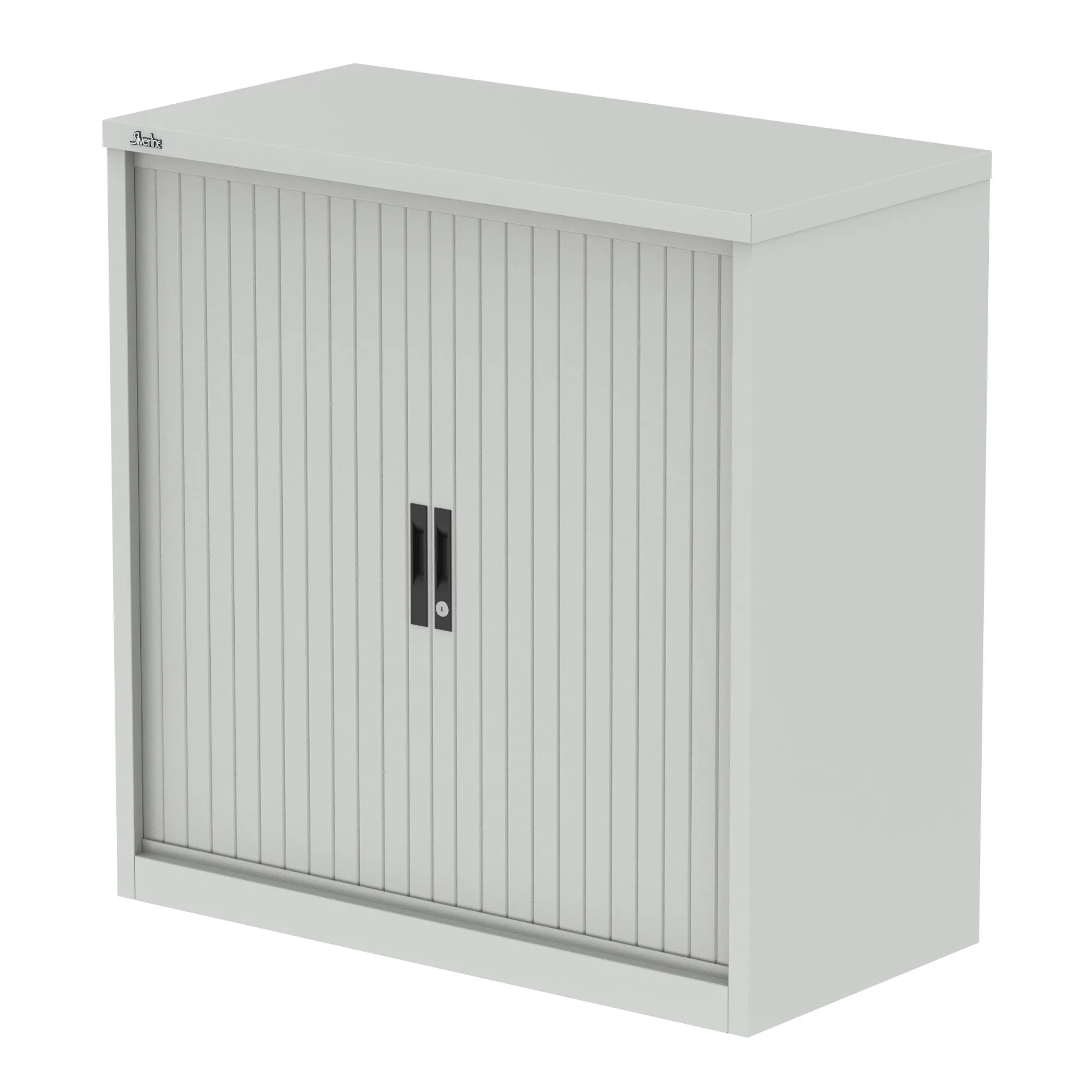
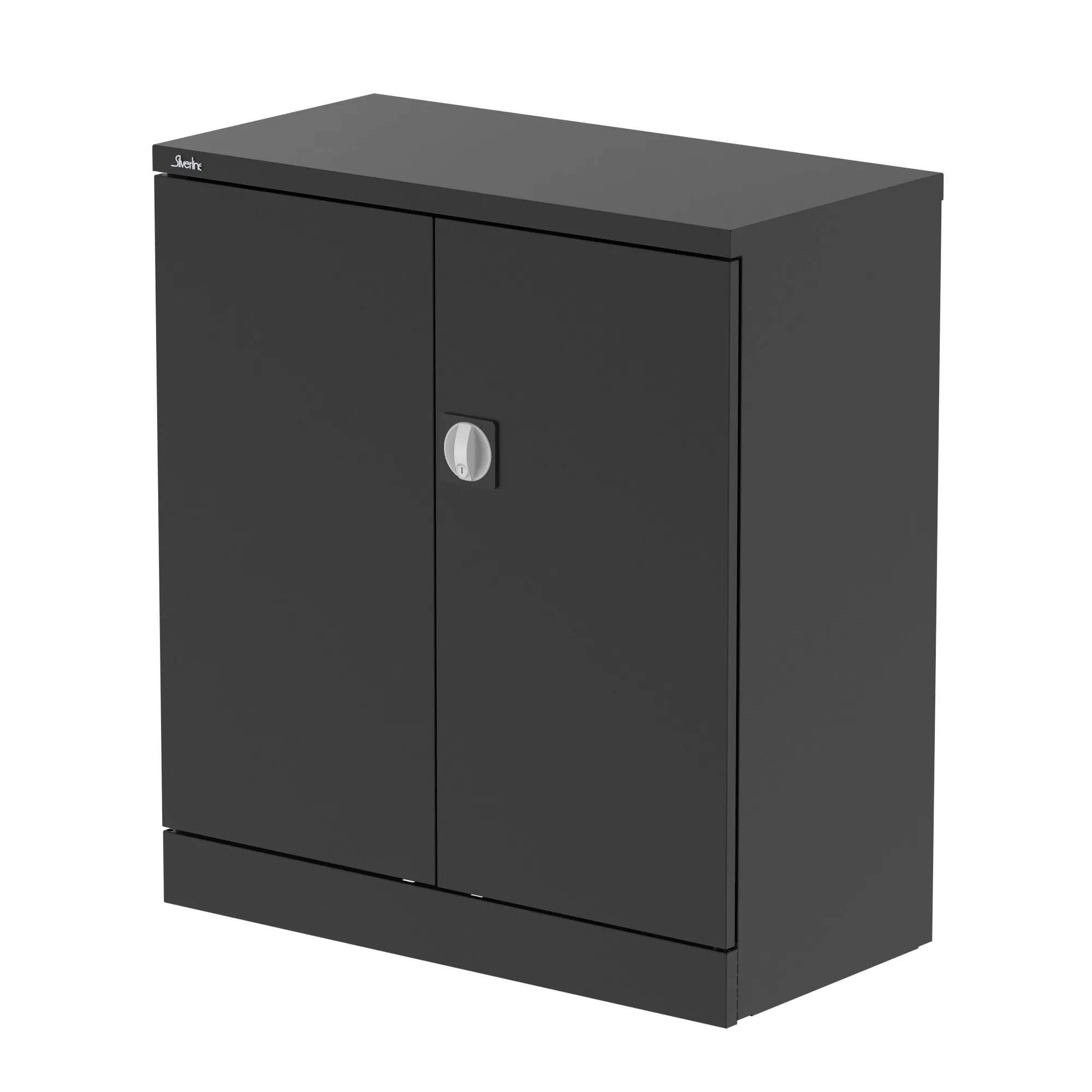
- Cupboards and bookcases for shared items and anything on display. Adjustable shelves are worth the small premium.
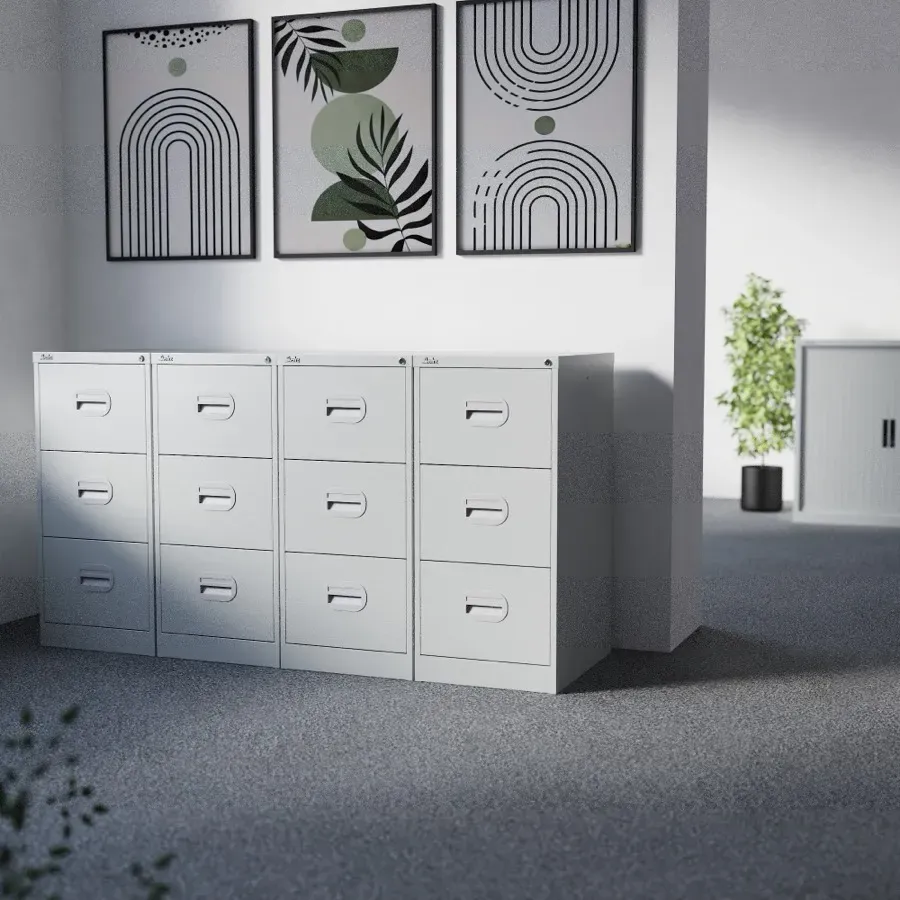
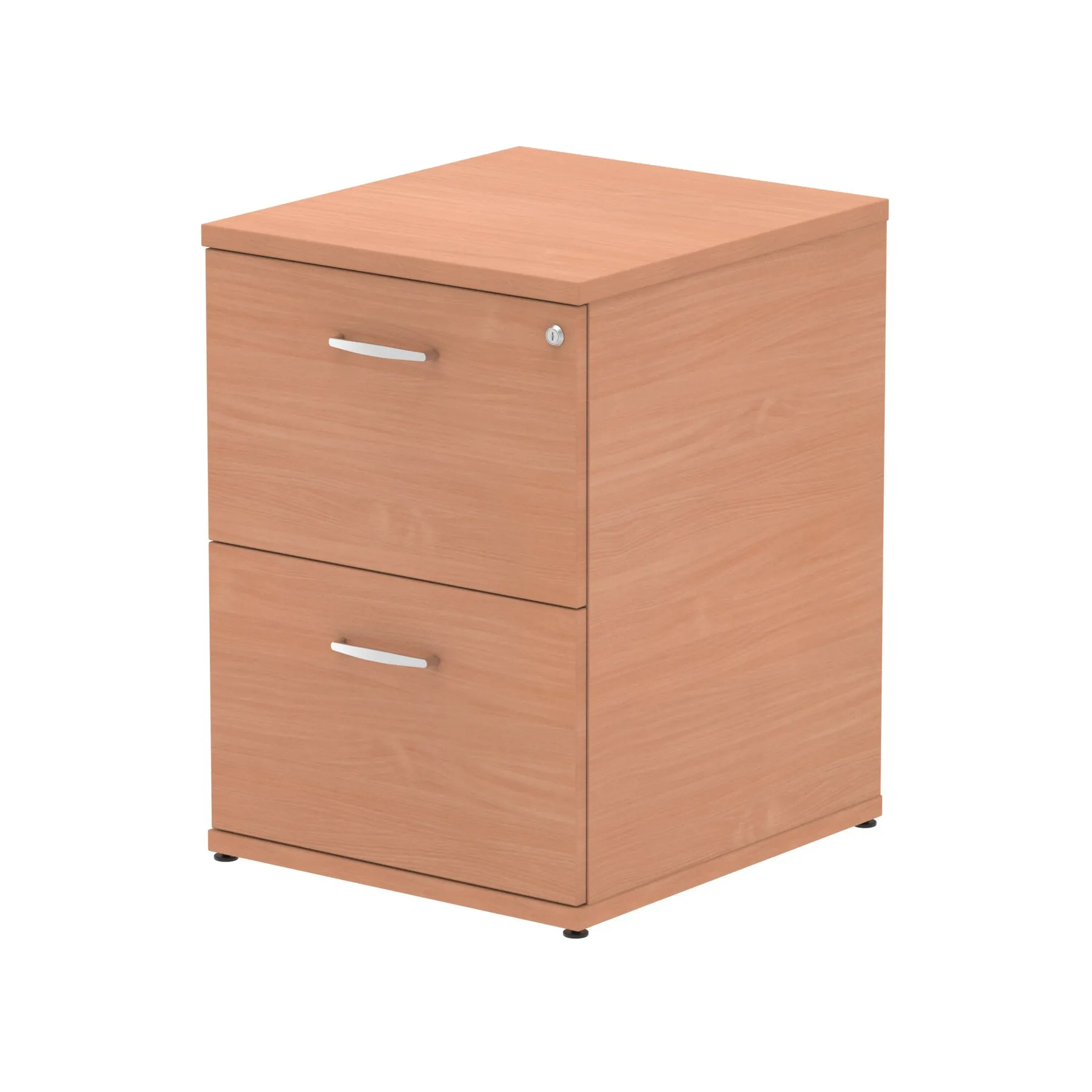
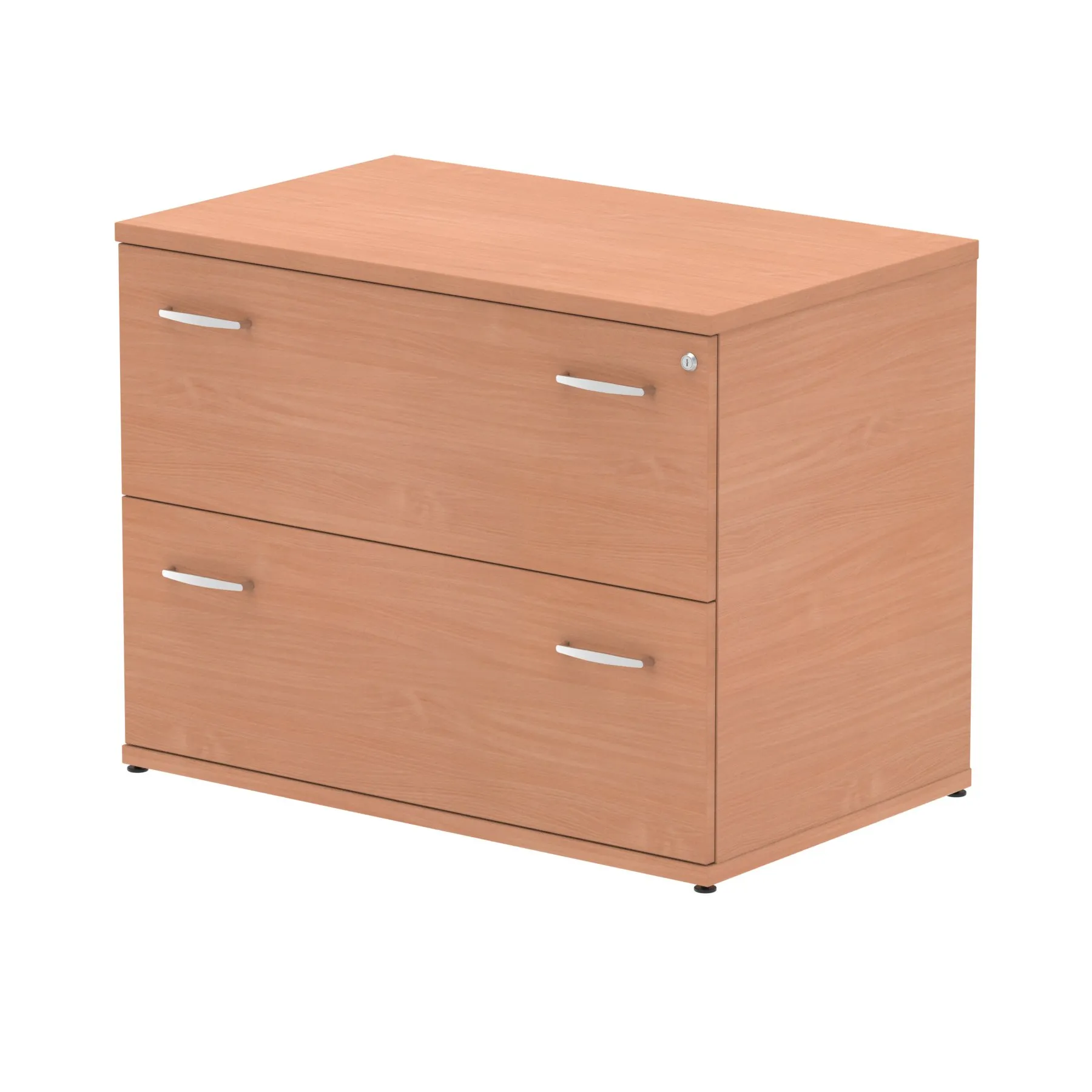
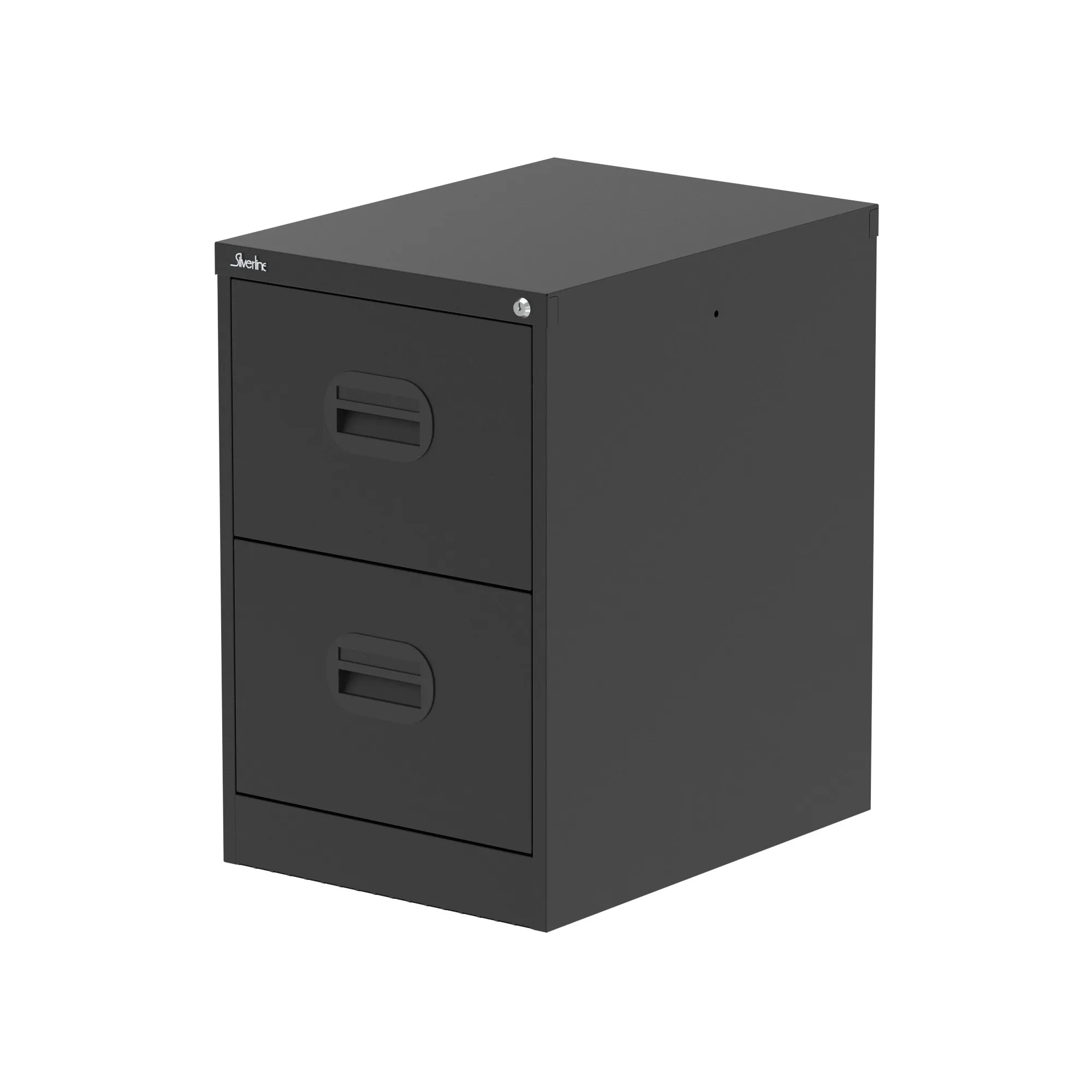
- Filing cabinets where you still hold physical records. Check the drawer runs out fully, or the back third is wasted.
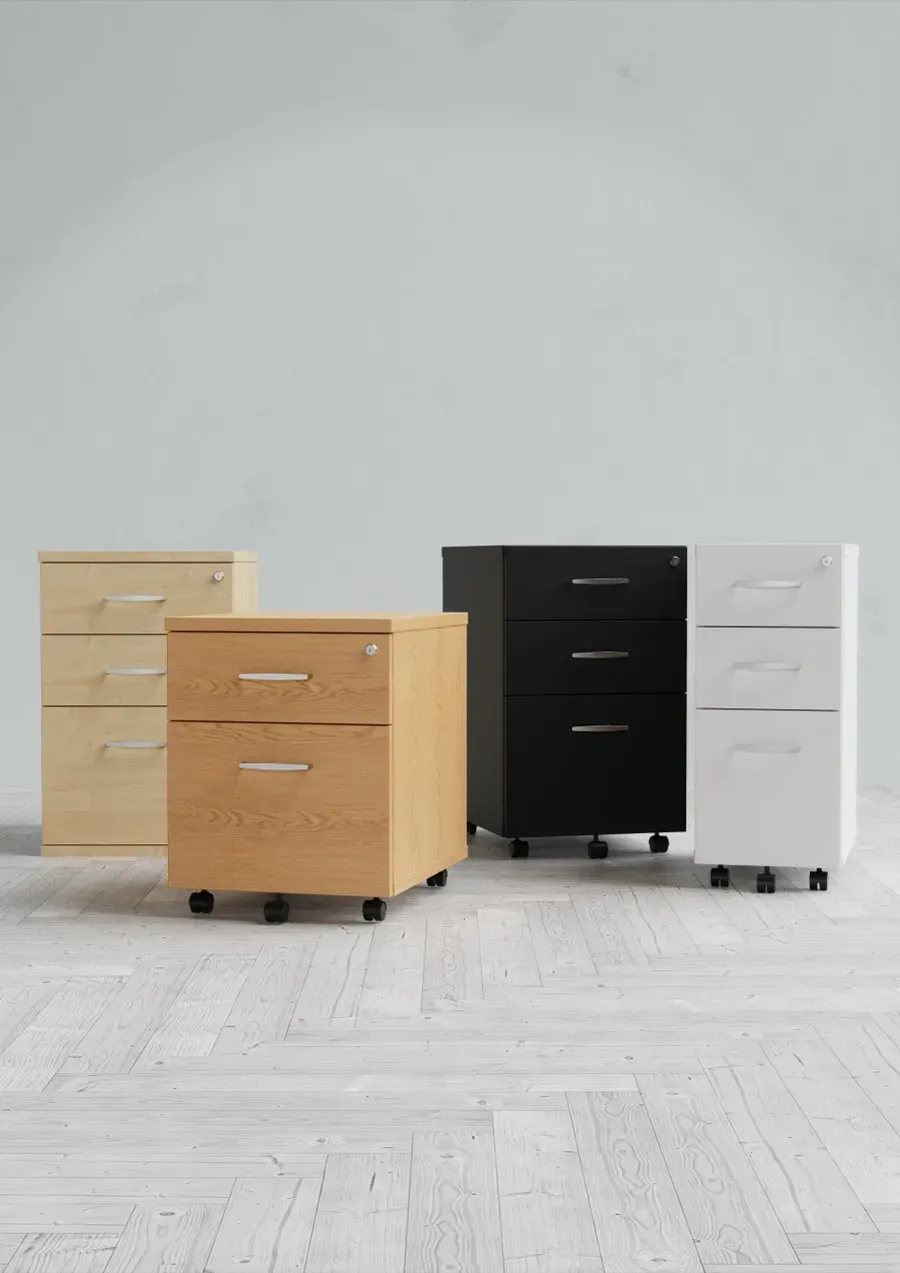
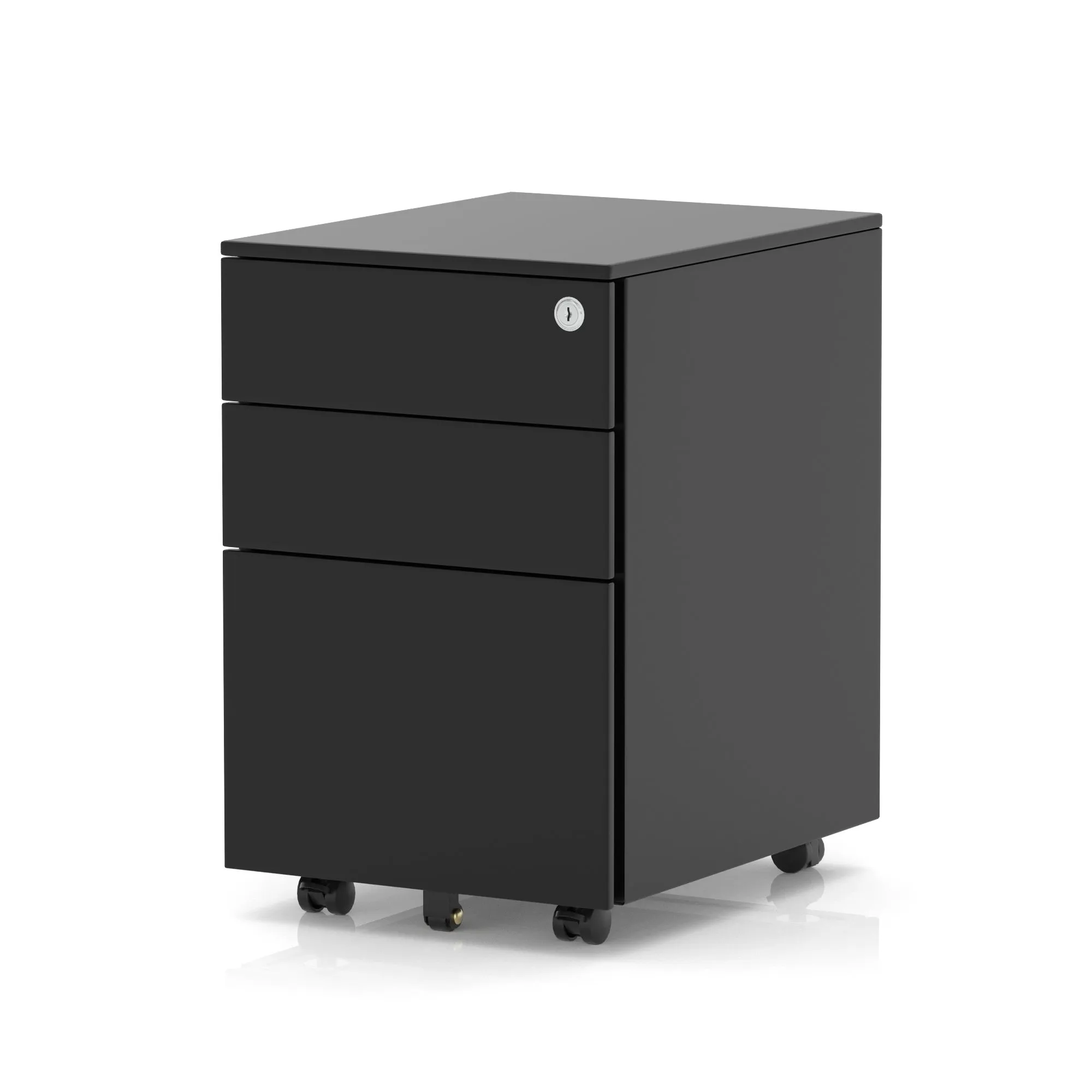
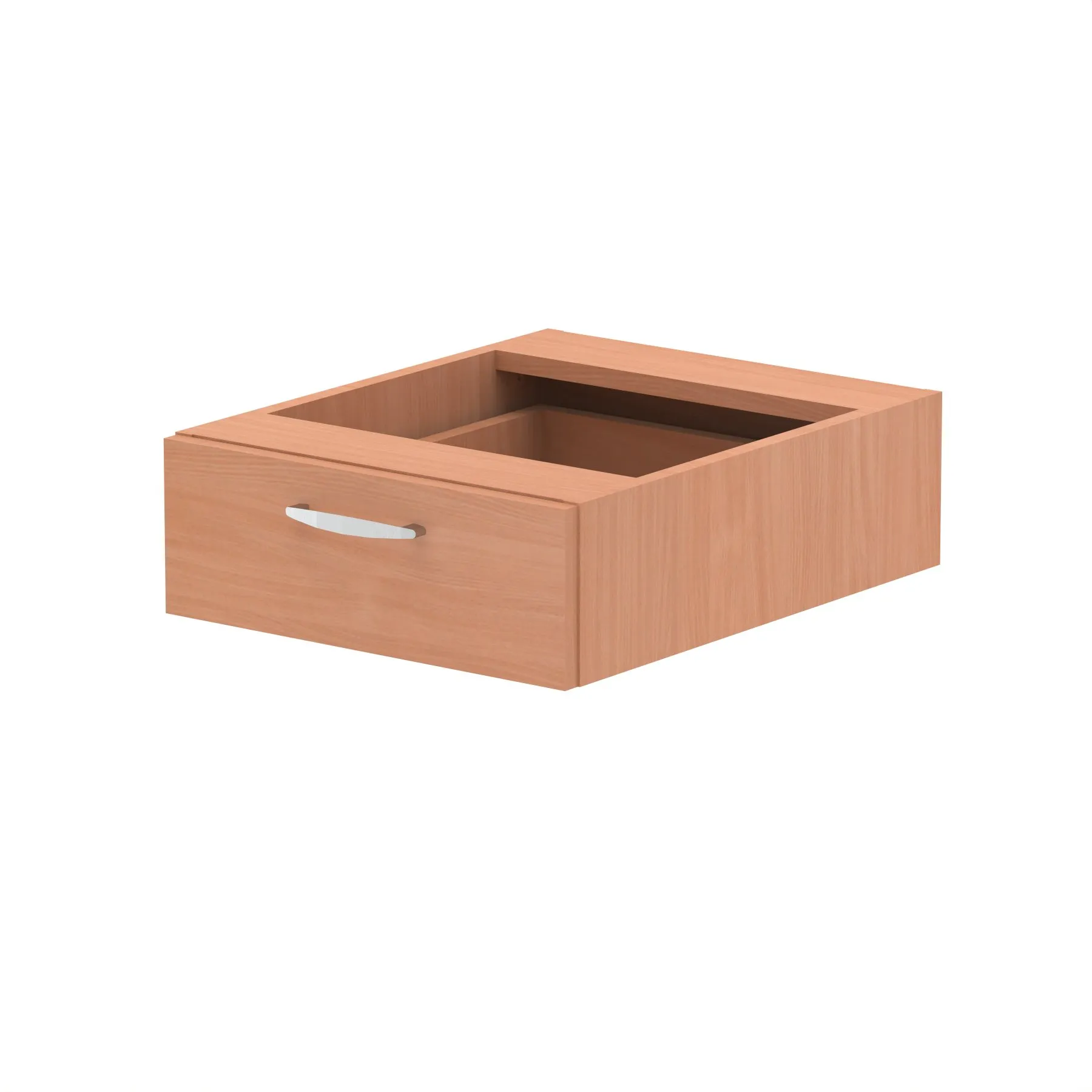
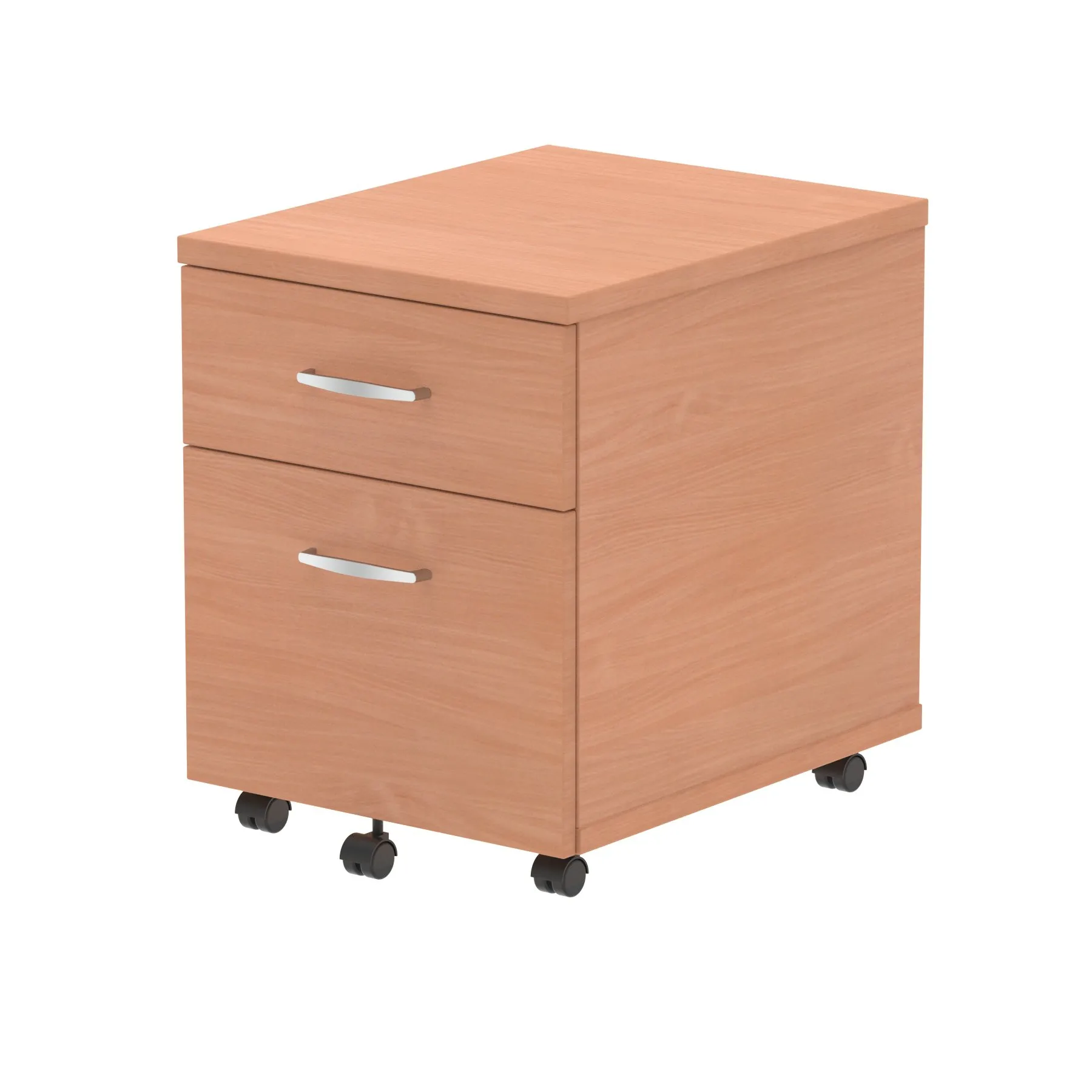
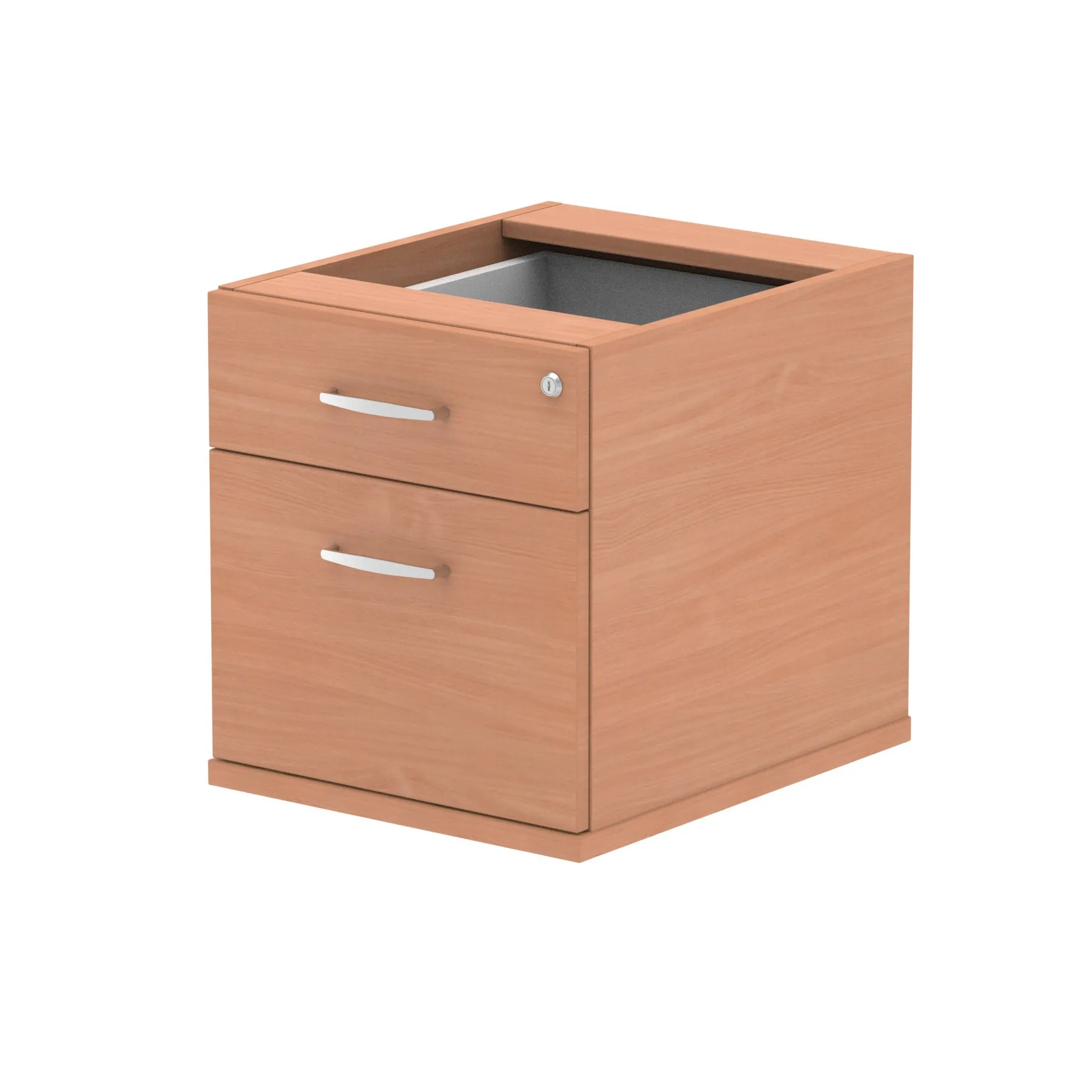
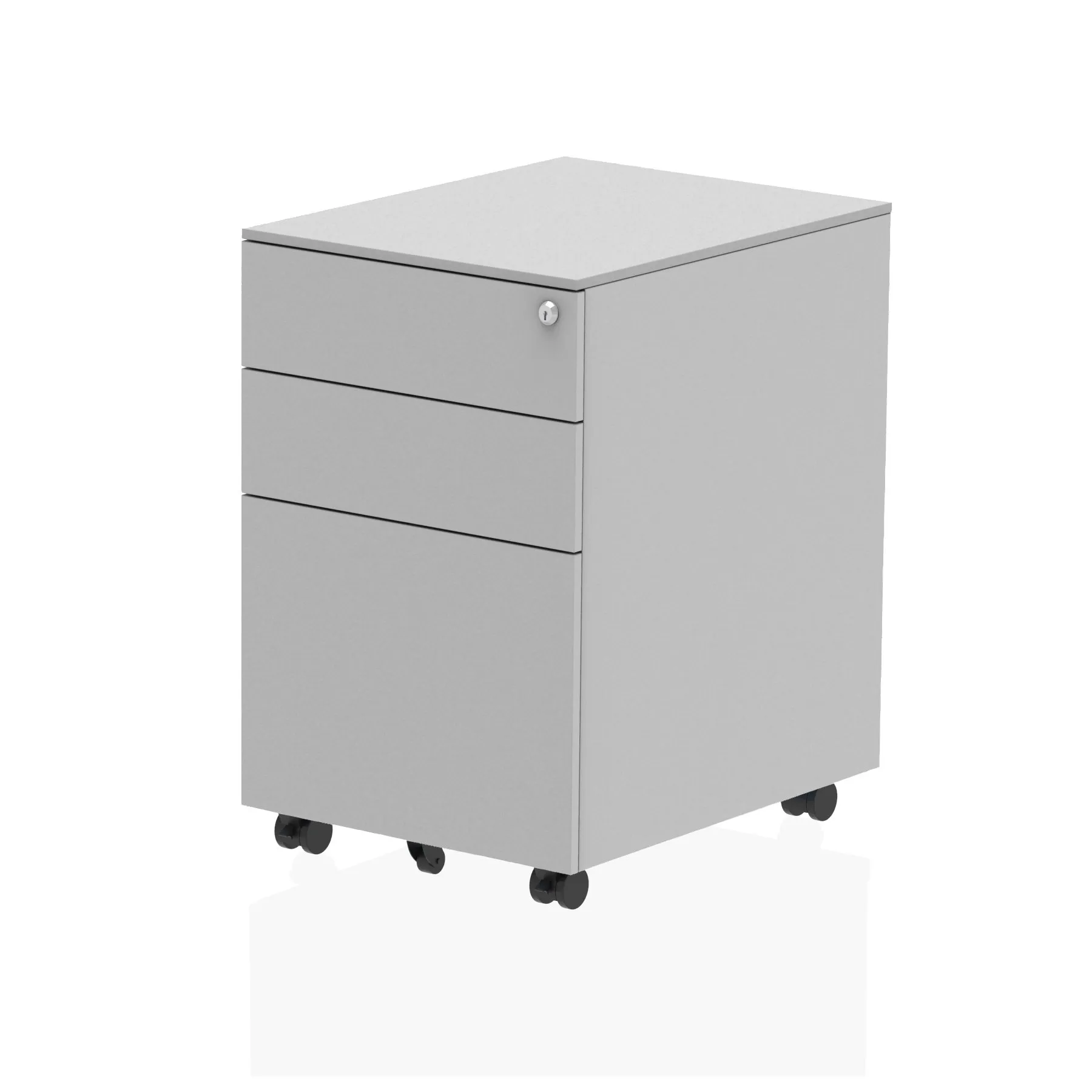
- Pedestals and drawers for personal storage at the desk. Under-desk pedestals eat legroom, so measure before you commit.
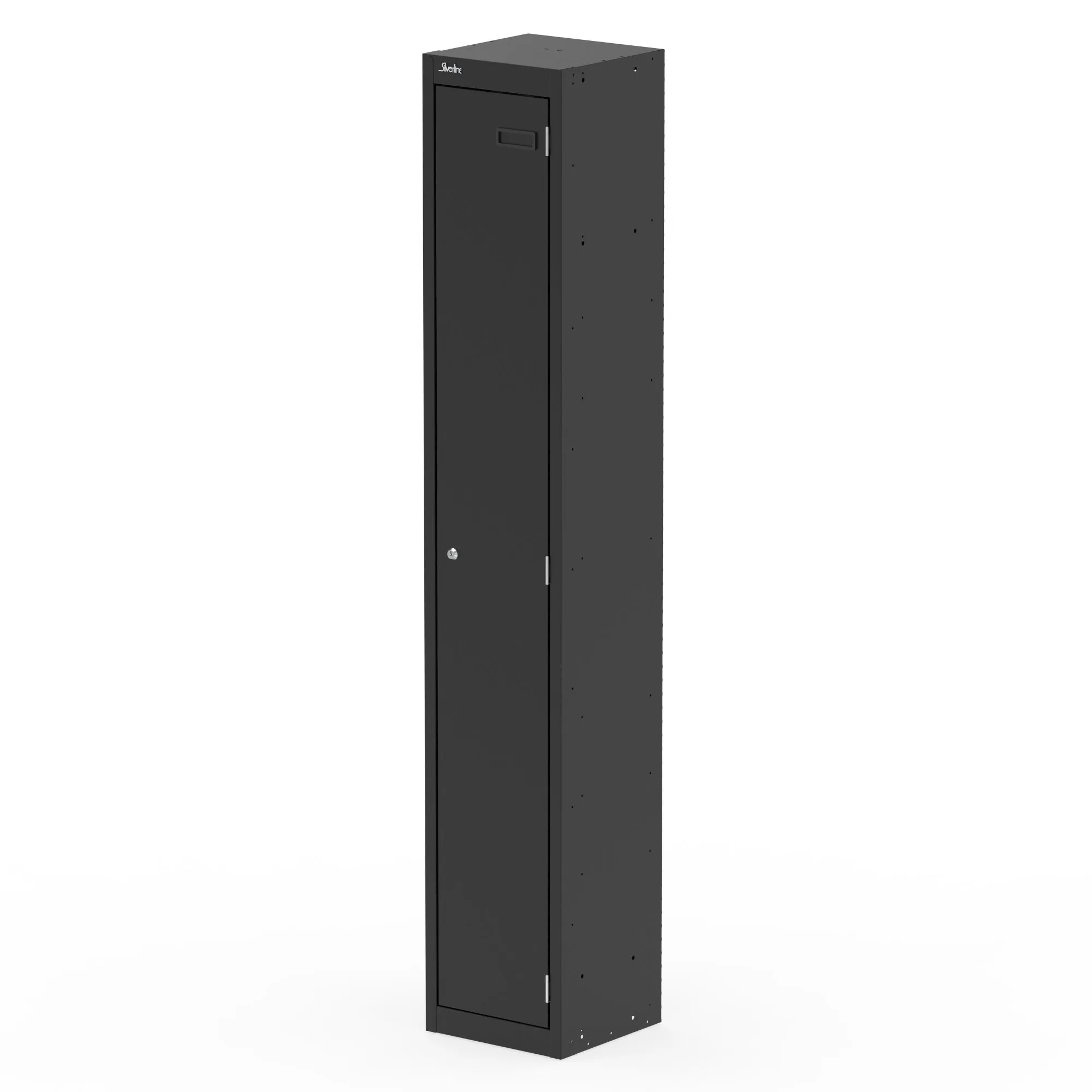
- Lockers for hot-desking and hybrid working. If people do not have an assigned desk, they need somewhere to leave a coat and a laptop.
- High gloss furniture where storage sits in a client-facing space and needs to look deliberate.
Height, and the rule people forget
Storage above shoulder height gets used once and then ignored. If it is not reachable without a chair, it is not storage, it is a shelf for boxes nobody opens.
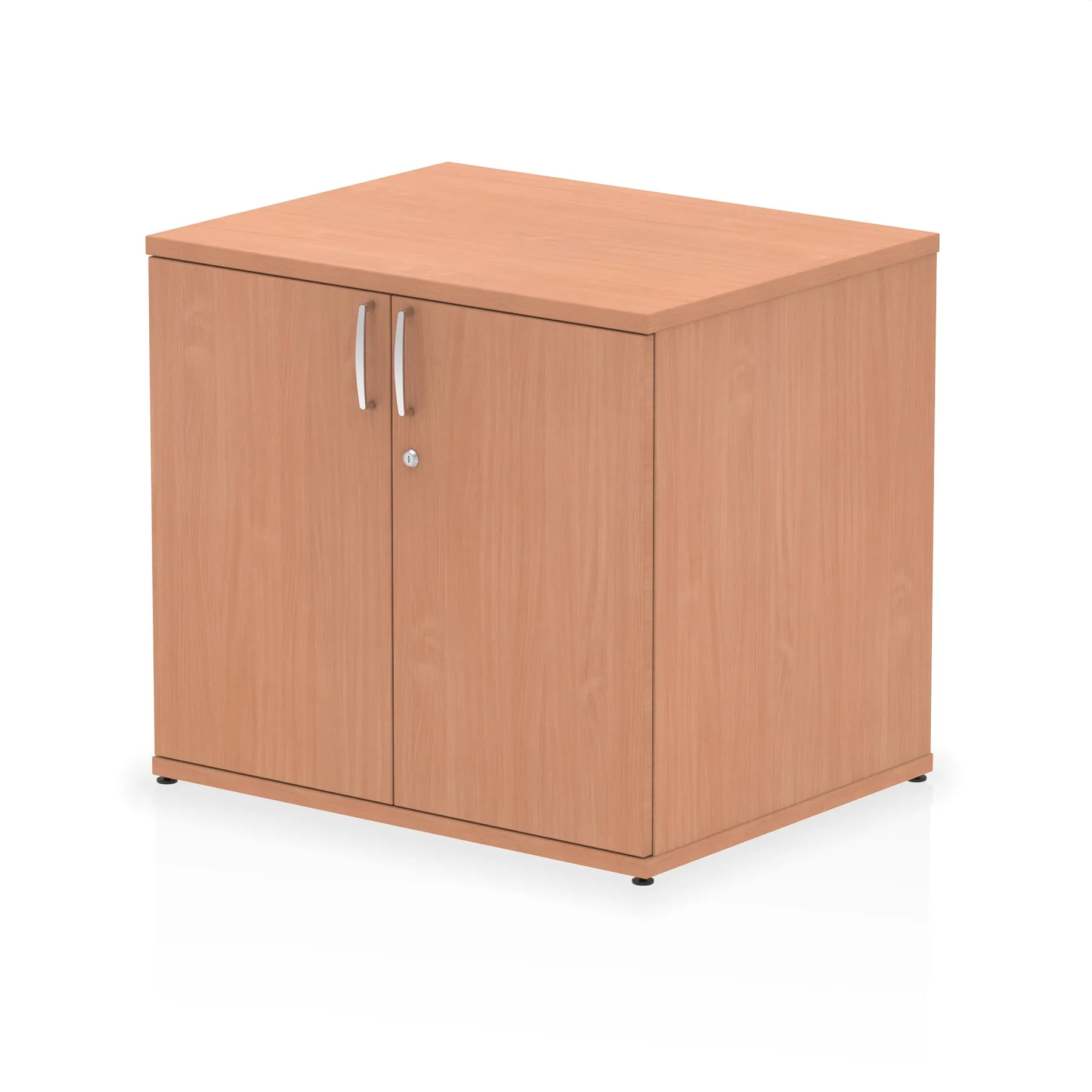
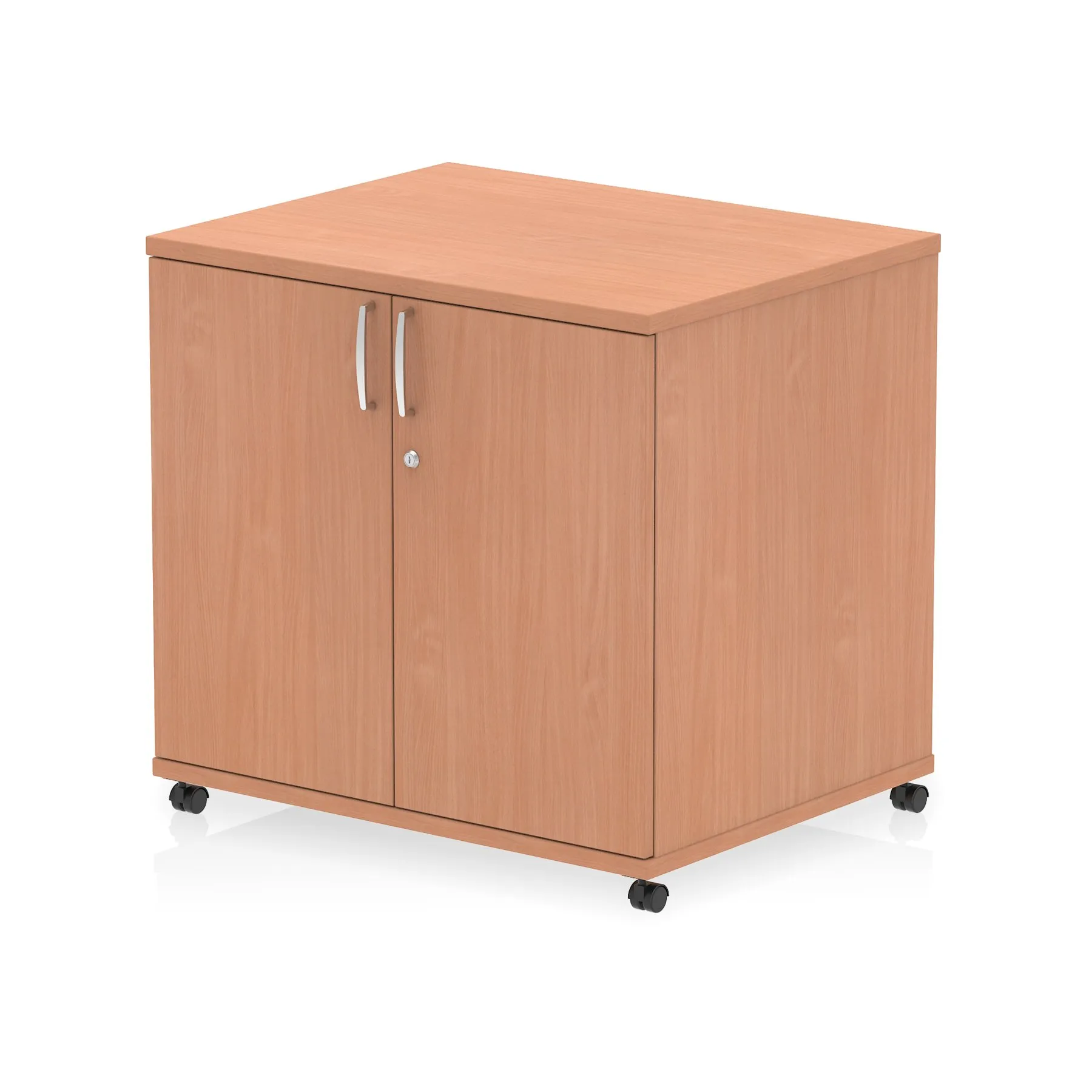
Lower runs of storage along a wall give you the same capacity and double as a surface. In open-plan offices they also break up sight lines without needing screens.
Hybrid working changed the maths
If your team is in three days a week and hot-desking, personal pedestals stop making sense and lockers start. It is a cheaper fit-out and it stops the slow accumulation of belongings at desks nobody owns.
Work Furniture Direct will happily talk this through against your actual occupancy rather than a standard ratio, because the standard ratios are mostly out of date.
Ranges we stock
Impulse and Qube cover the everyday requirement across cupboards and bookcases, pedestals and filing cabinets, and both match the desking ranges so a room reads as one family.
For client-facing rooms, the high gloss finishes are the ones worth looking at.