
The small things that make a desk work
Accessories are where a modest amount of money fixes complaints that new furniture would not. Work Furniture Direct sells them alongside the desks for a reason: a monitor arm and a tidy cable route solve more day-to-day problems than a more expensive desk ever will.
Monitor arms first
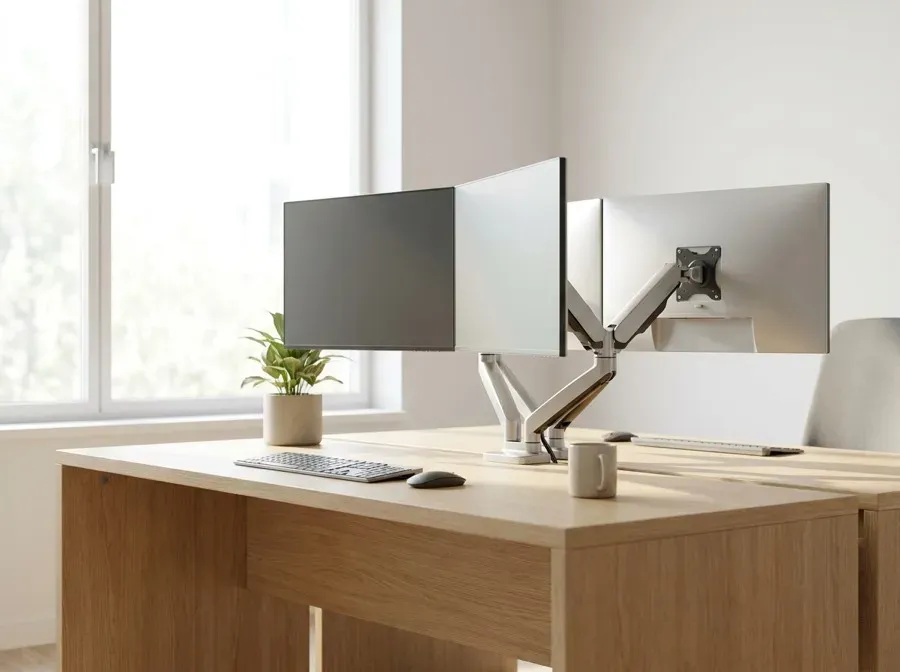
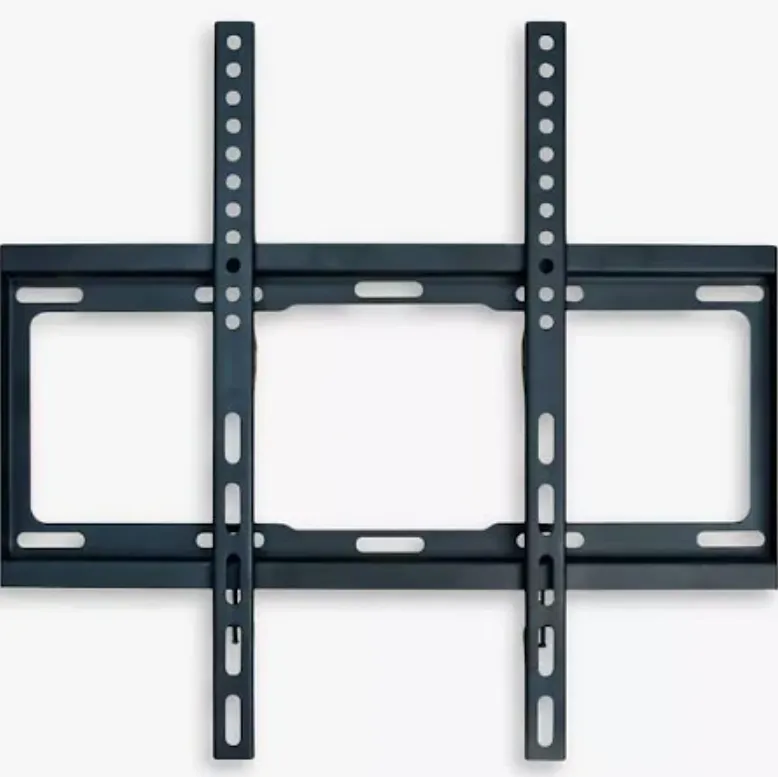
A monitor arm does two things. It lifts the screen to the right height, which is the single most common cause of neck complaints, and it frees the desk surface underneath.
If you buy one accessory per desk, buy this one. It is also the cheapest way to make a 1400mm desk feel like a 1600mm one.
Cable management is not optional
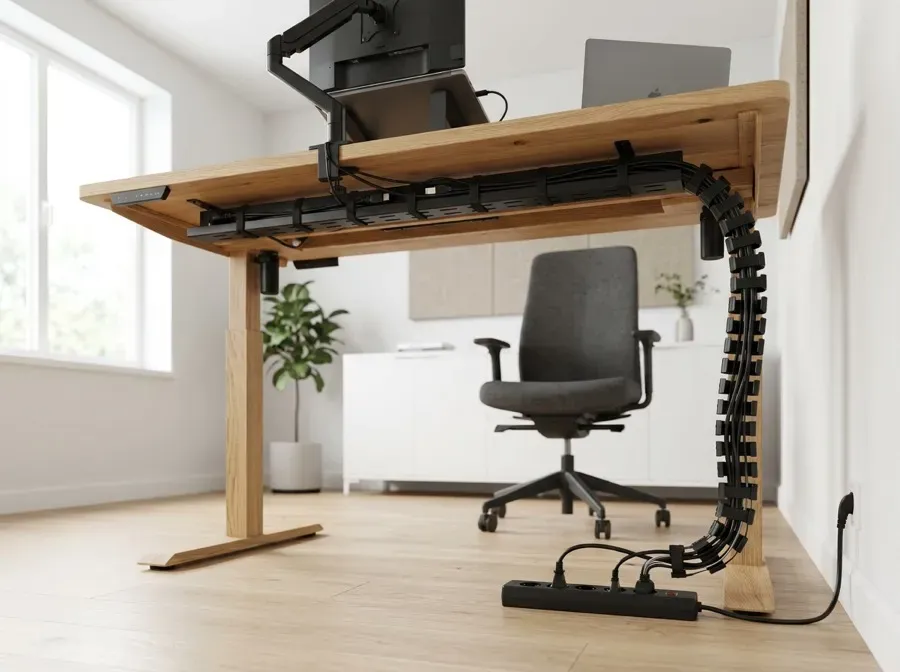
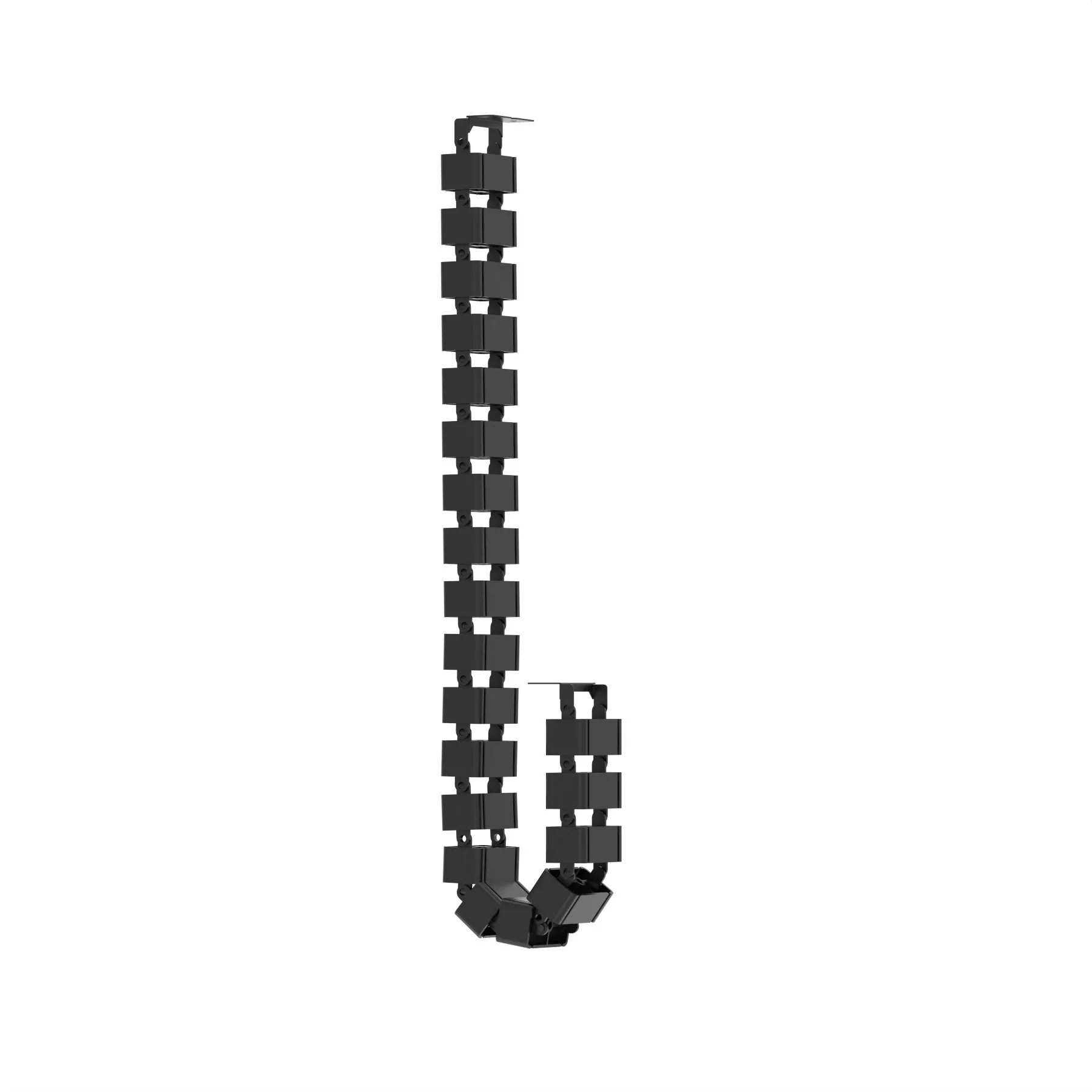
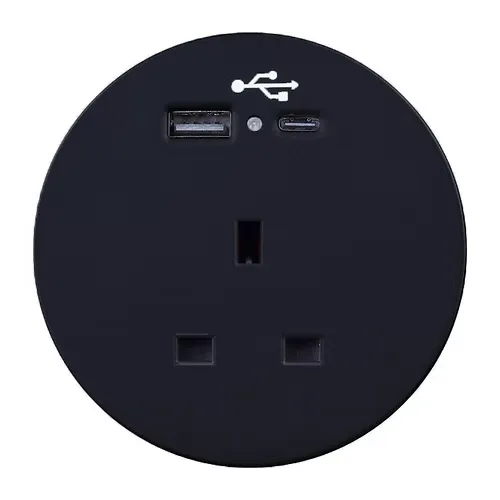
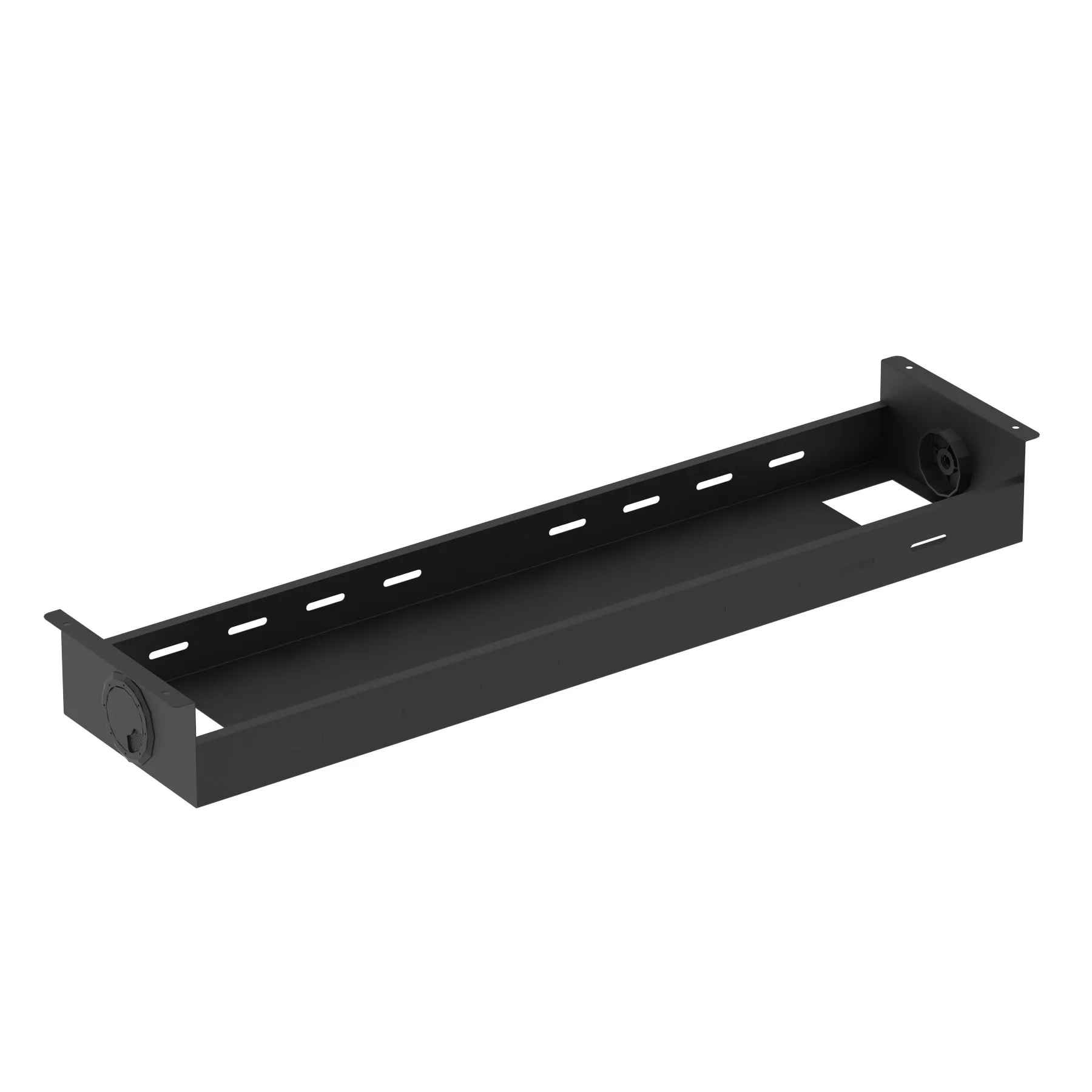
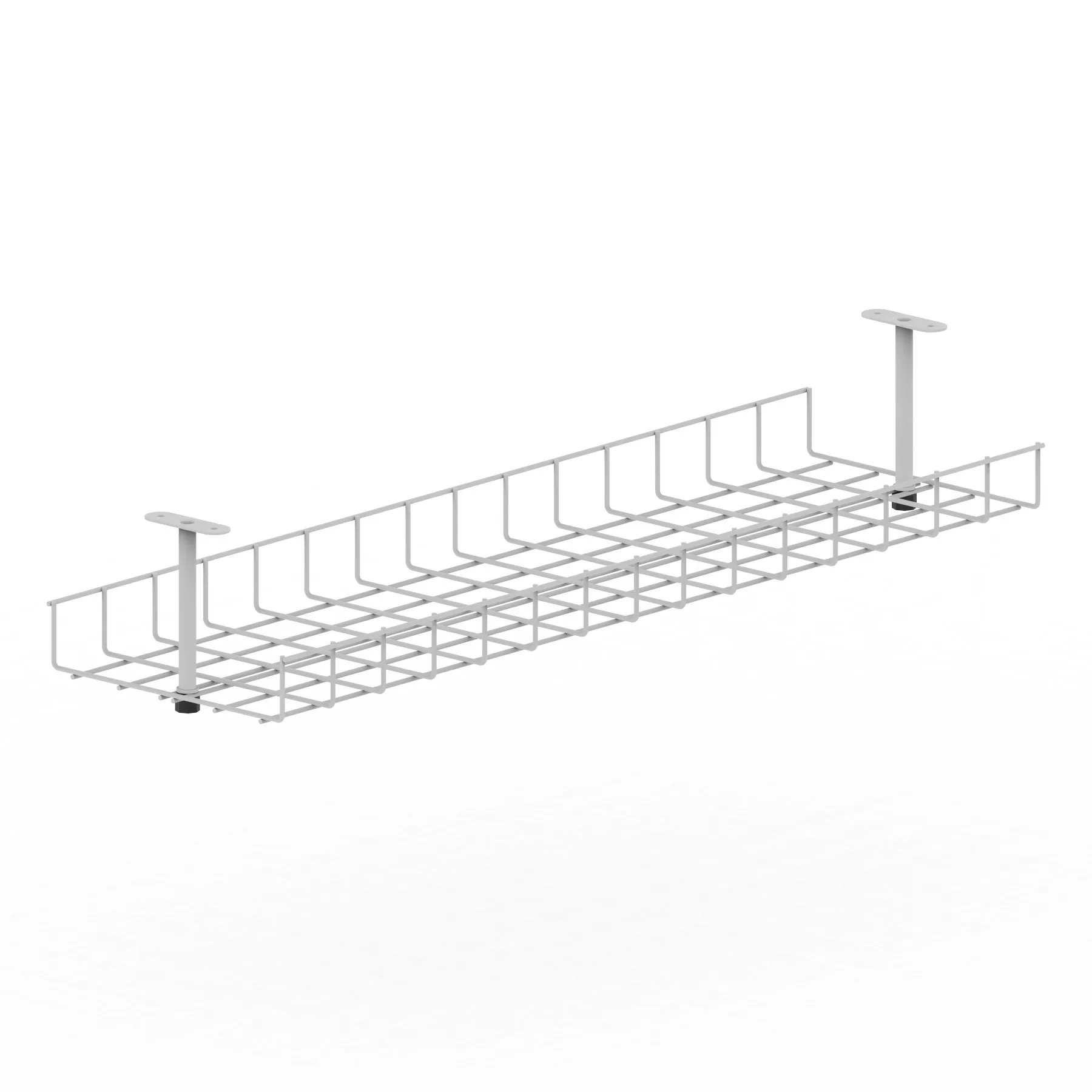
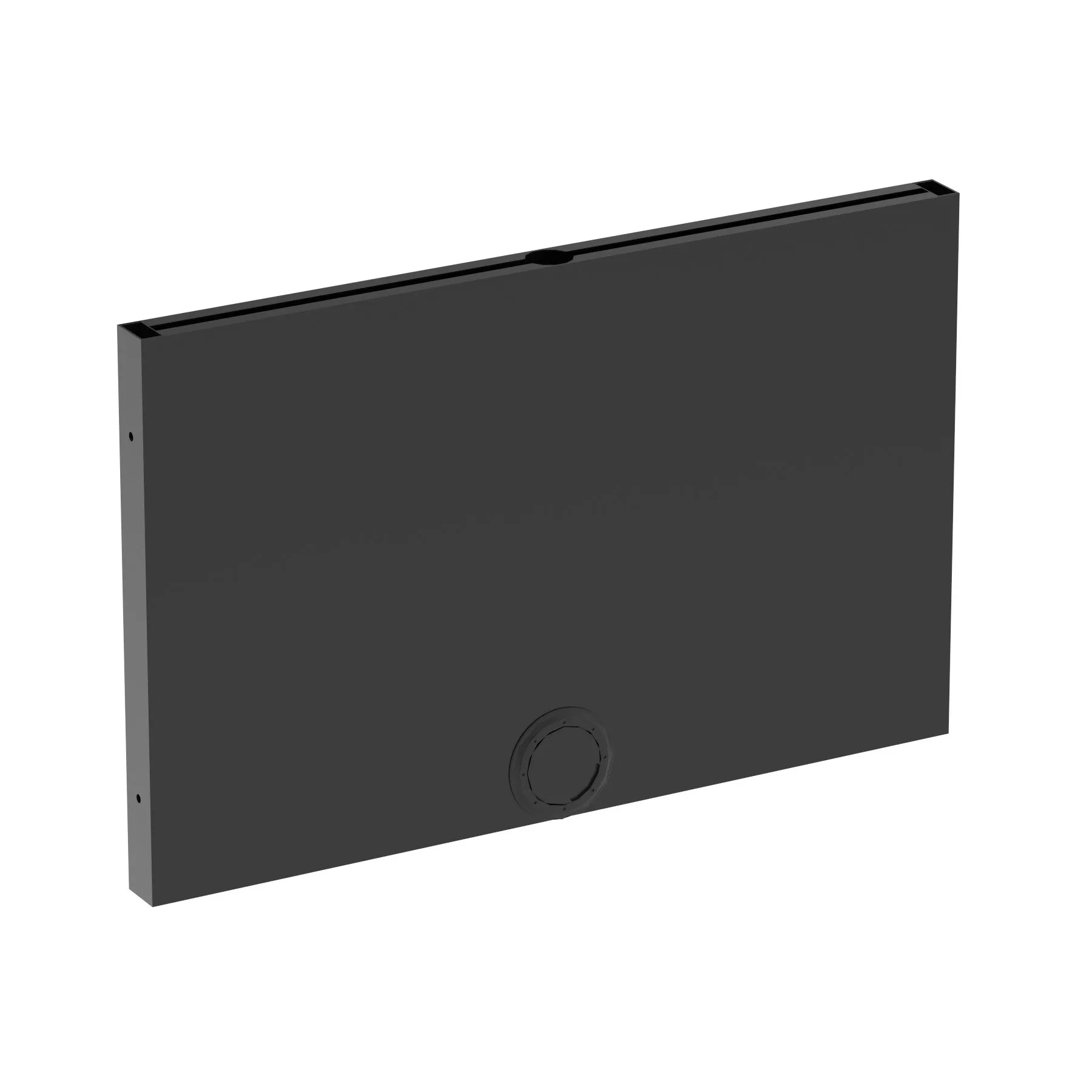
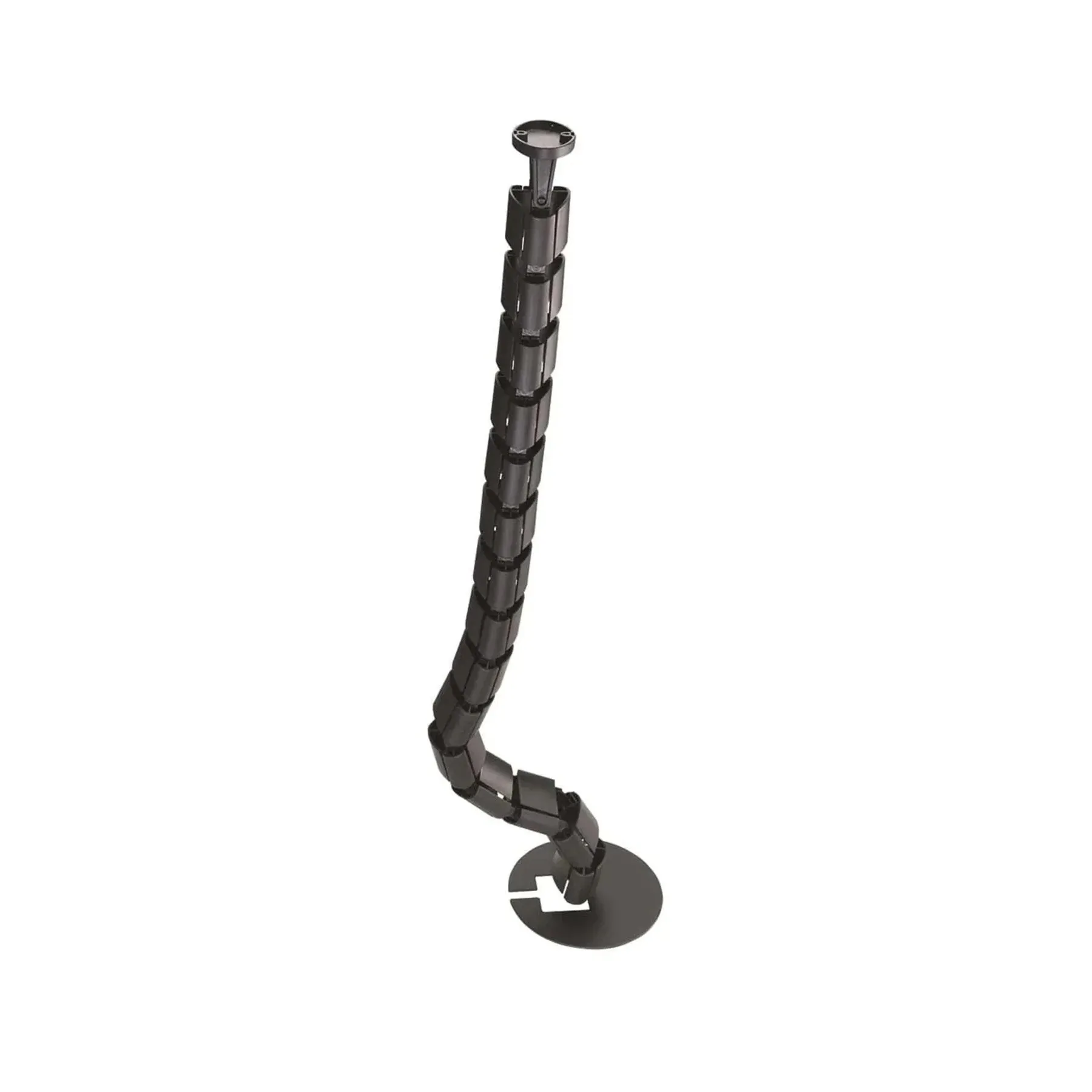
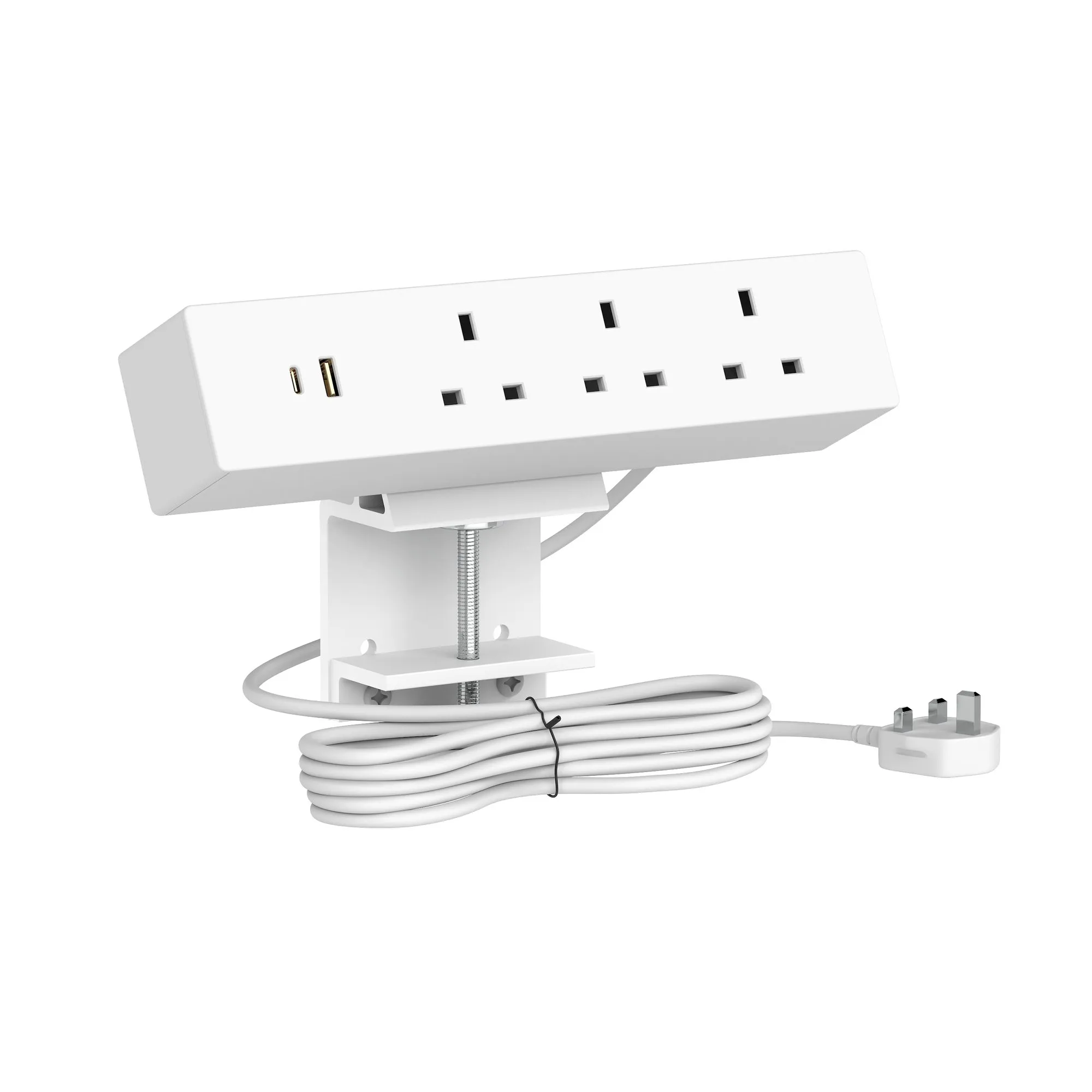
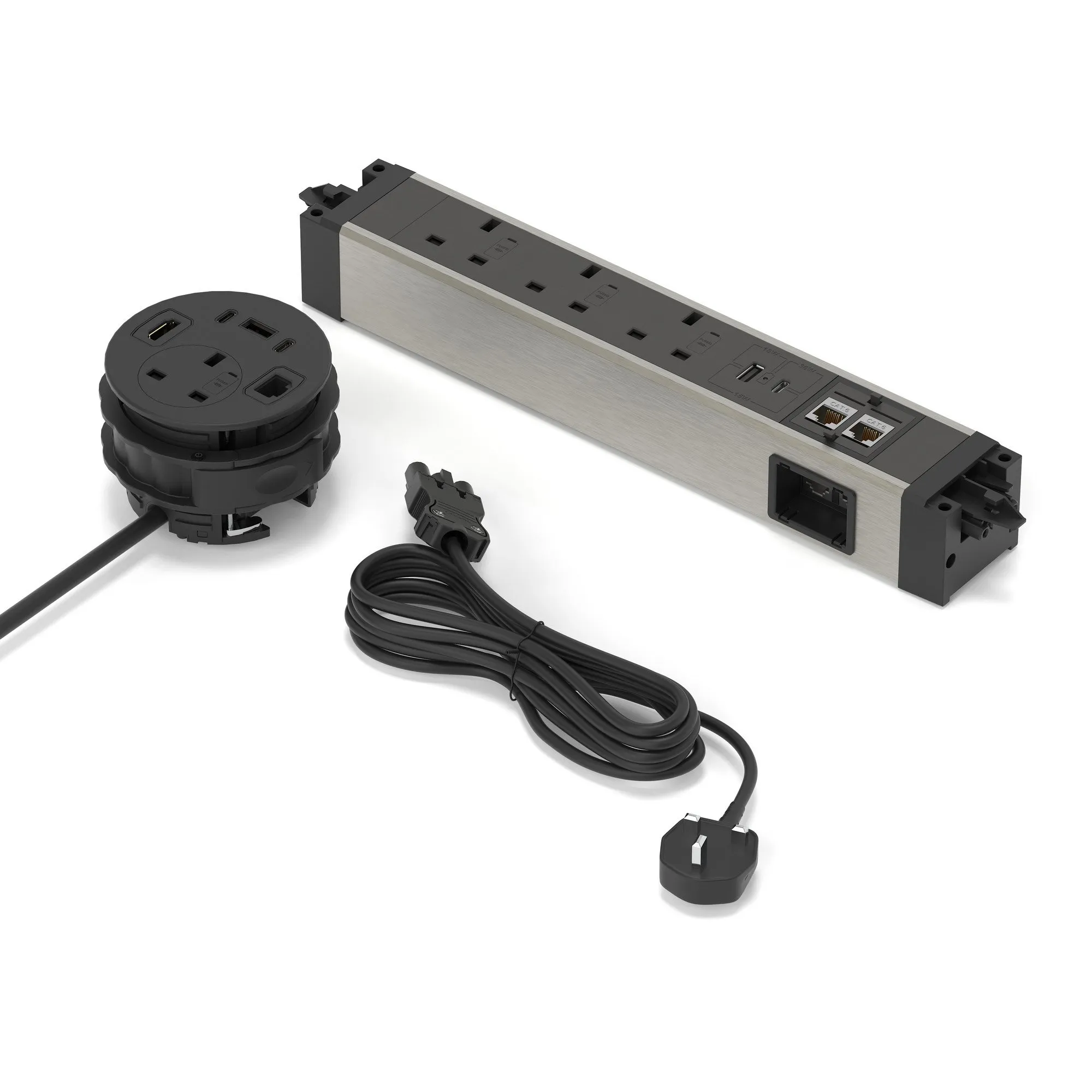
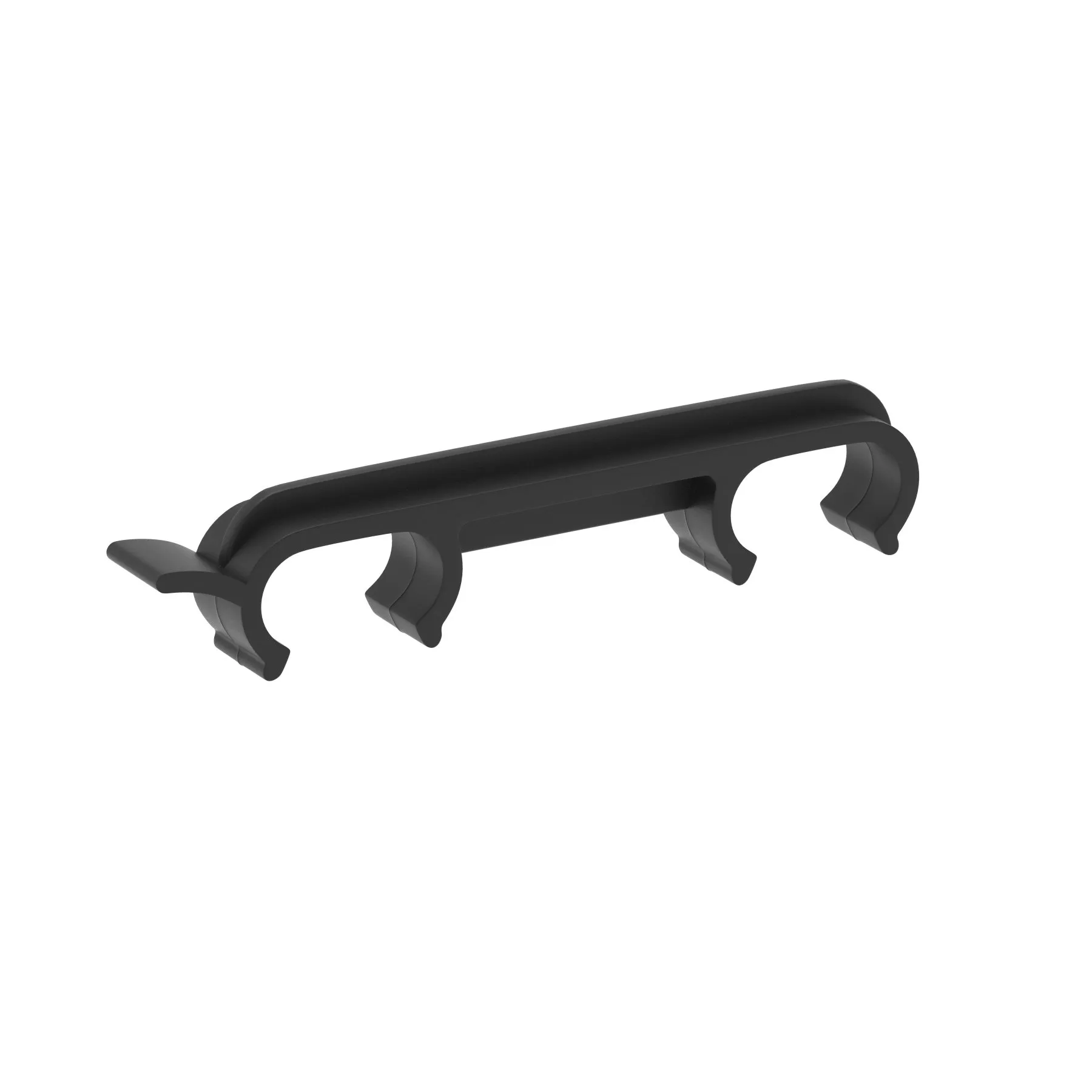
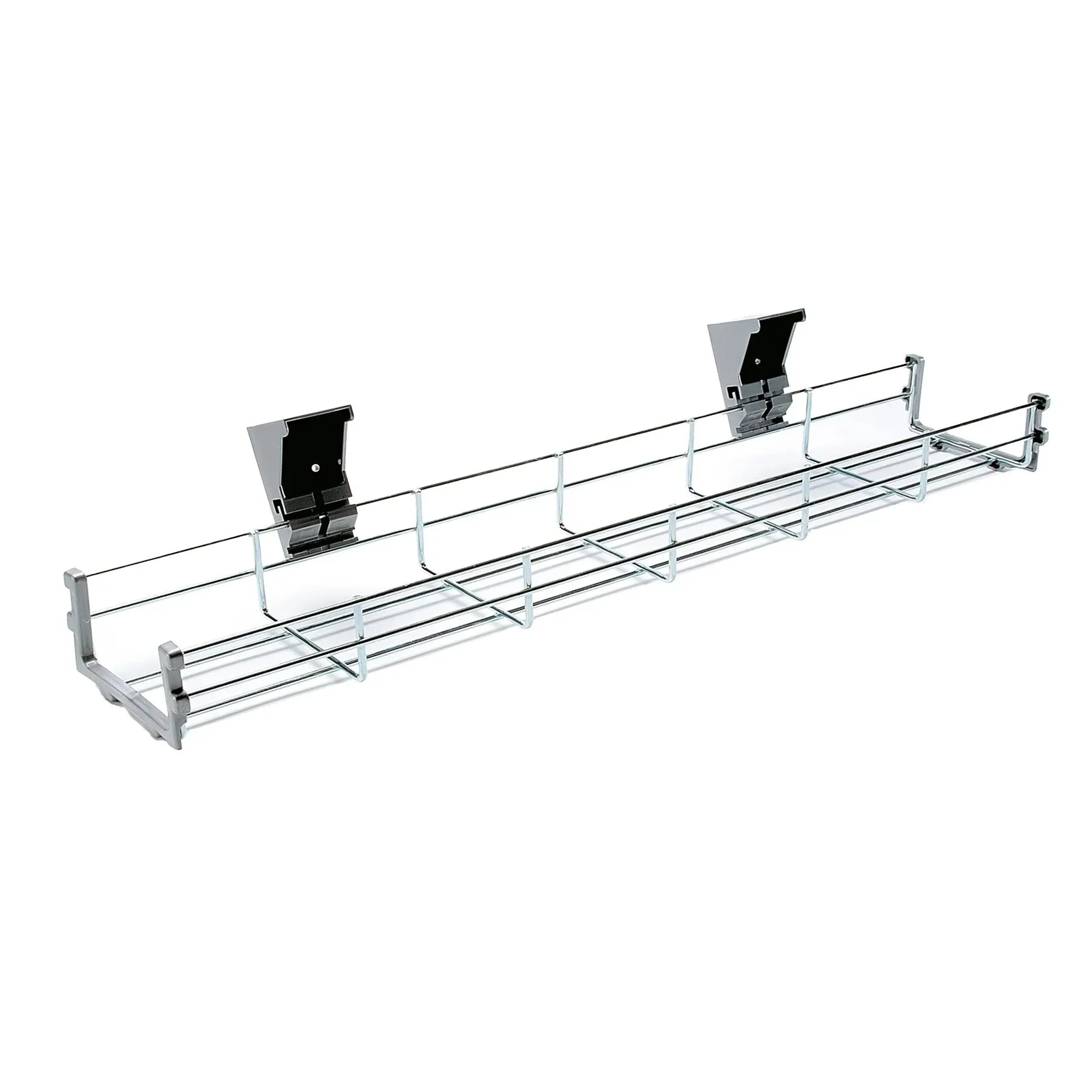
Loose cables are the reason desks stop being movable and floors stop being cleanable. Cable management and electrical covers trays, spines, grommets and power modules.
Plan it with the desks. Retro-fitting means working under furniture that is already occupied, which takes far longer than doing it at install.
Ergonomic extras, used honestly
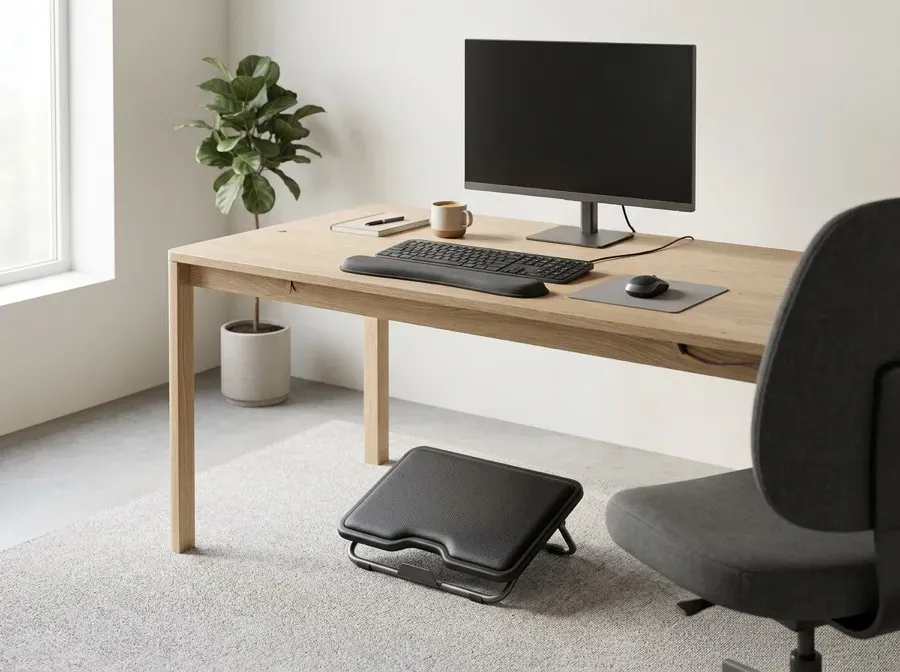
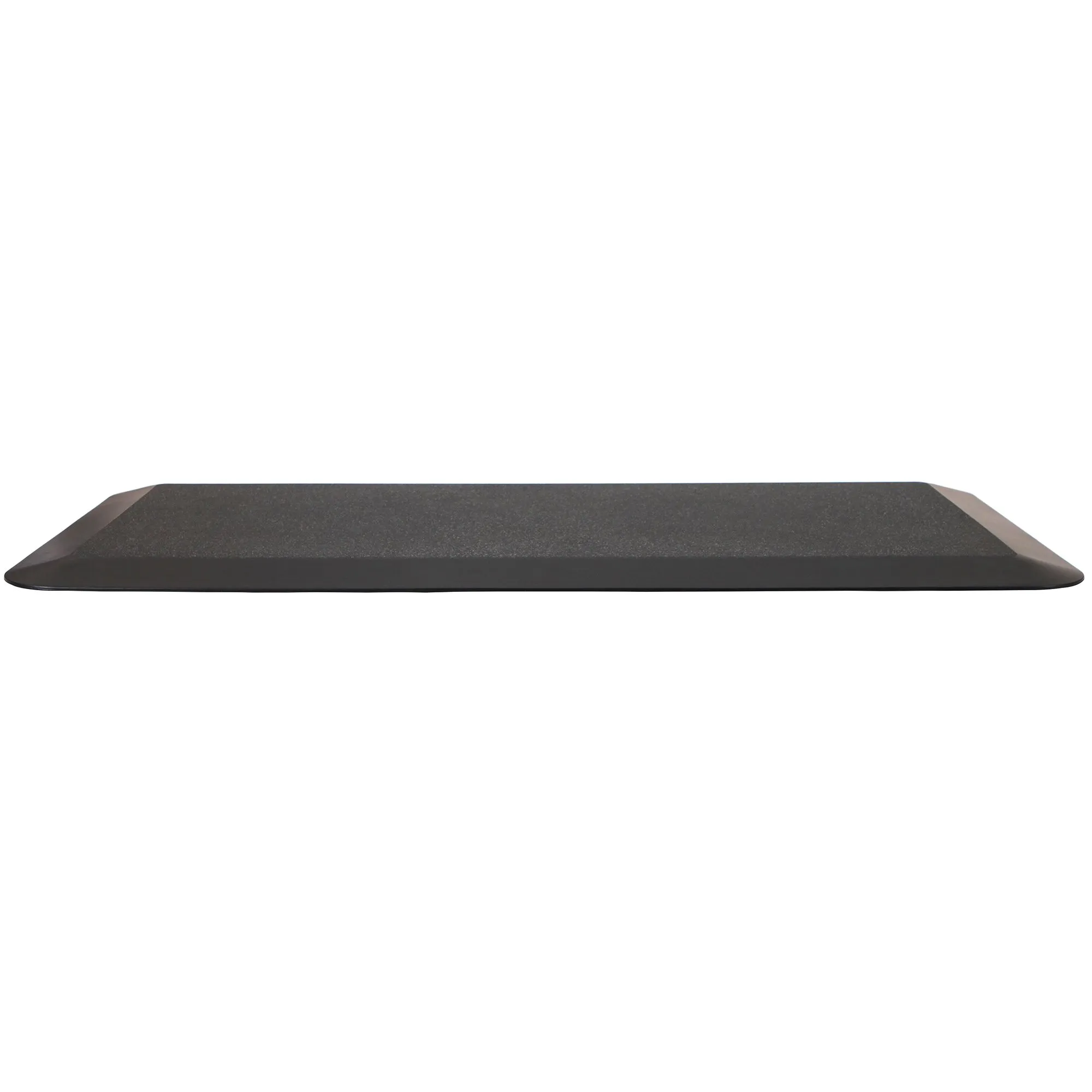
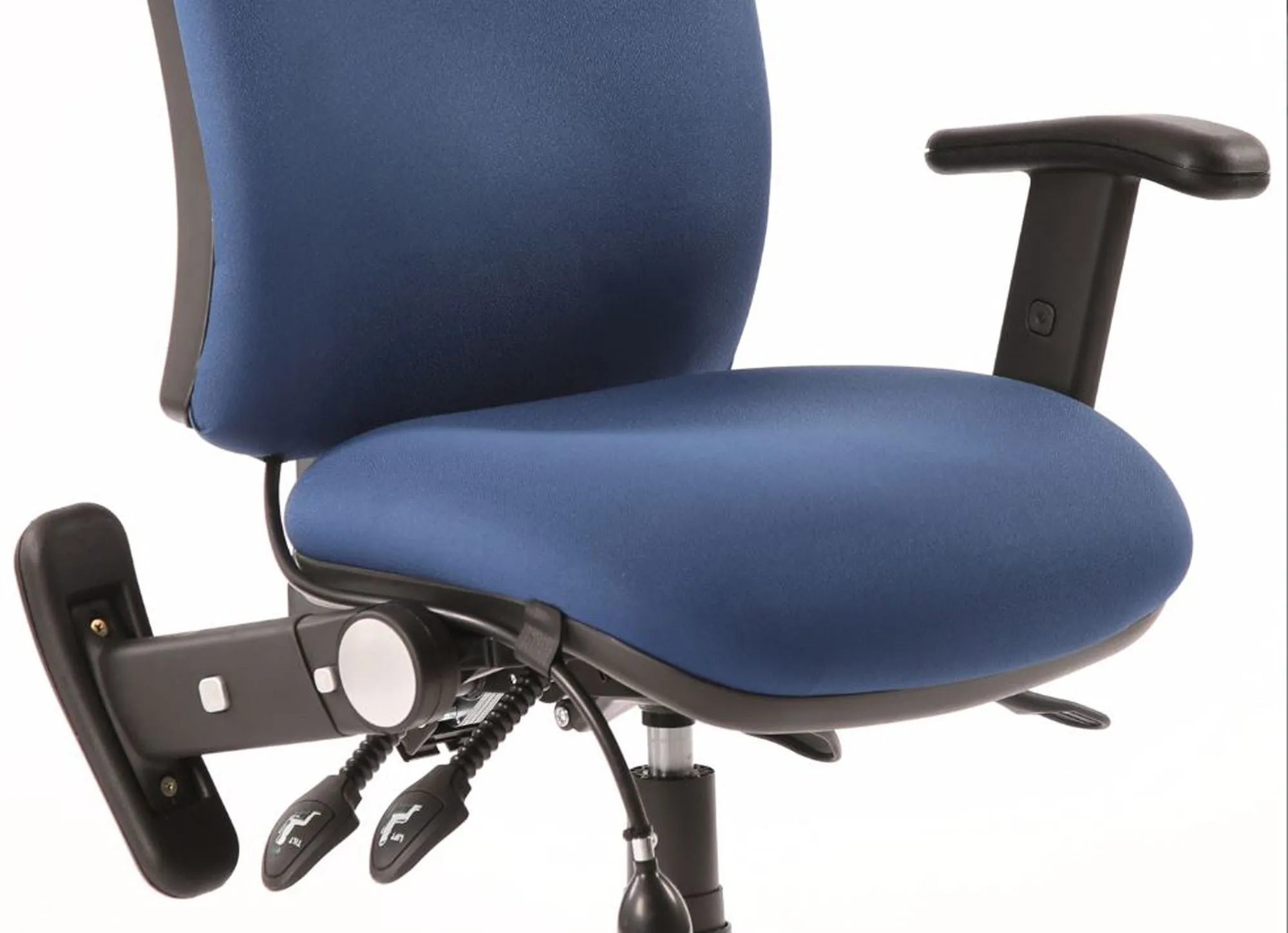
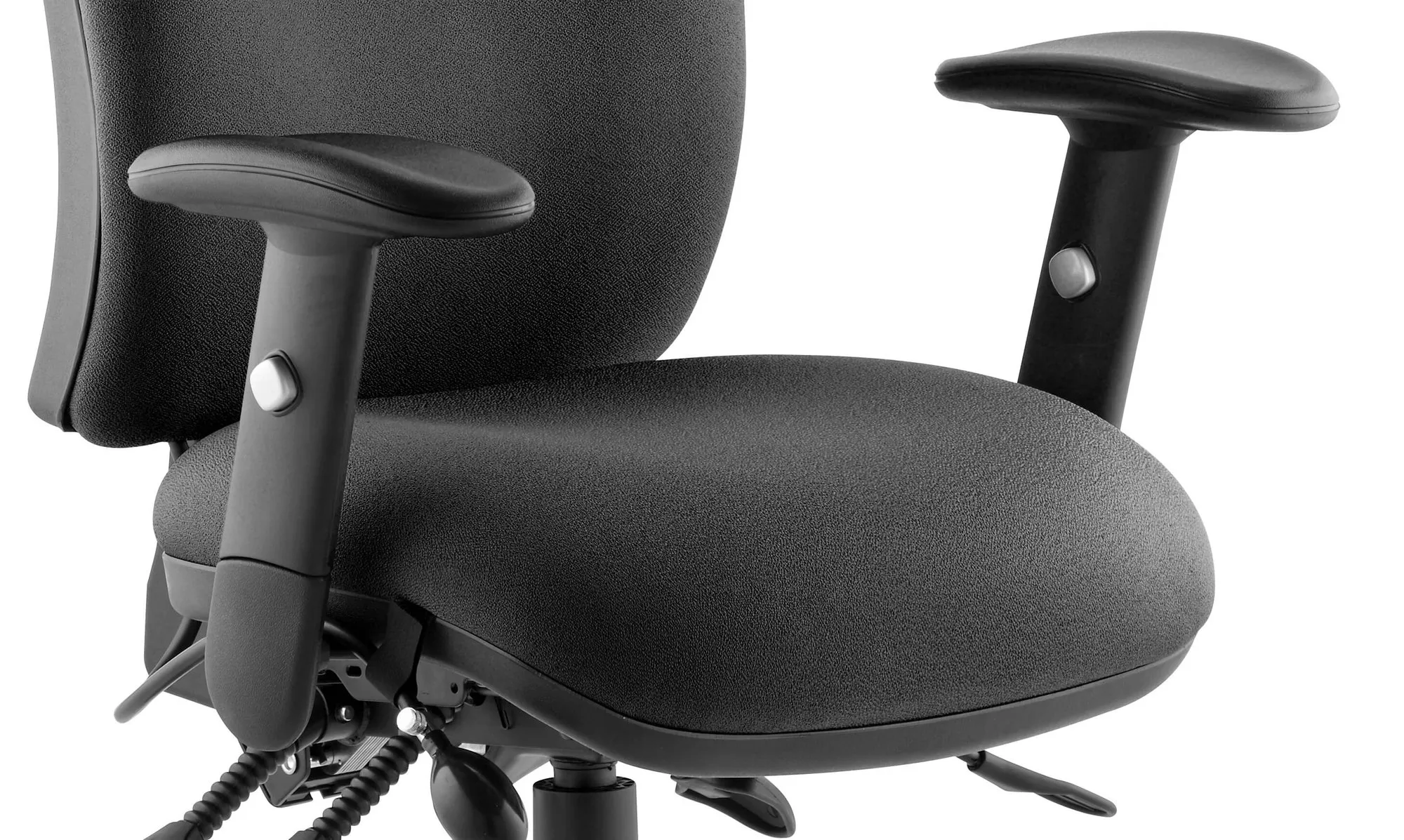
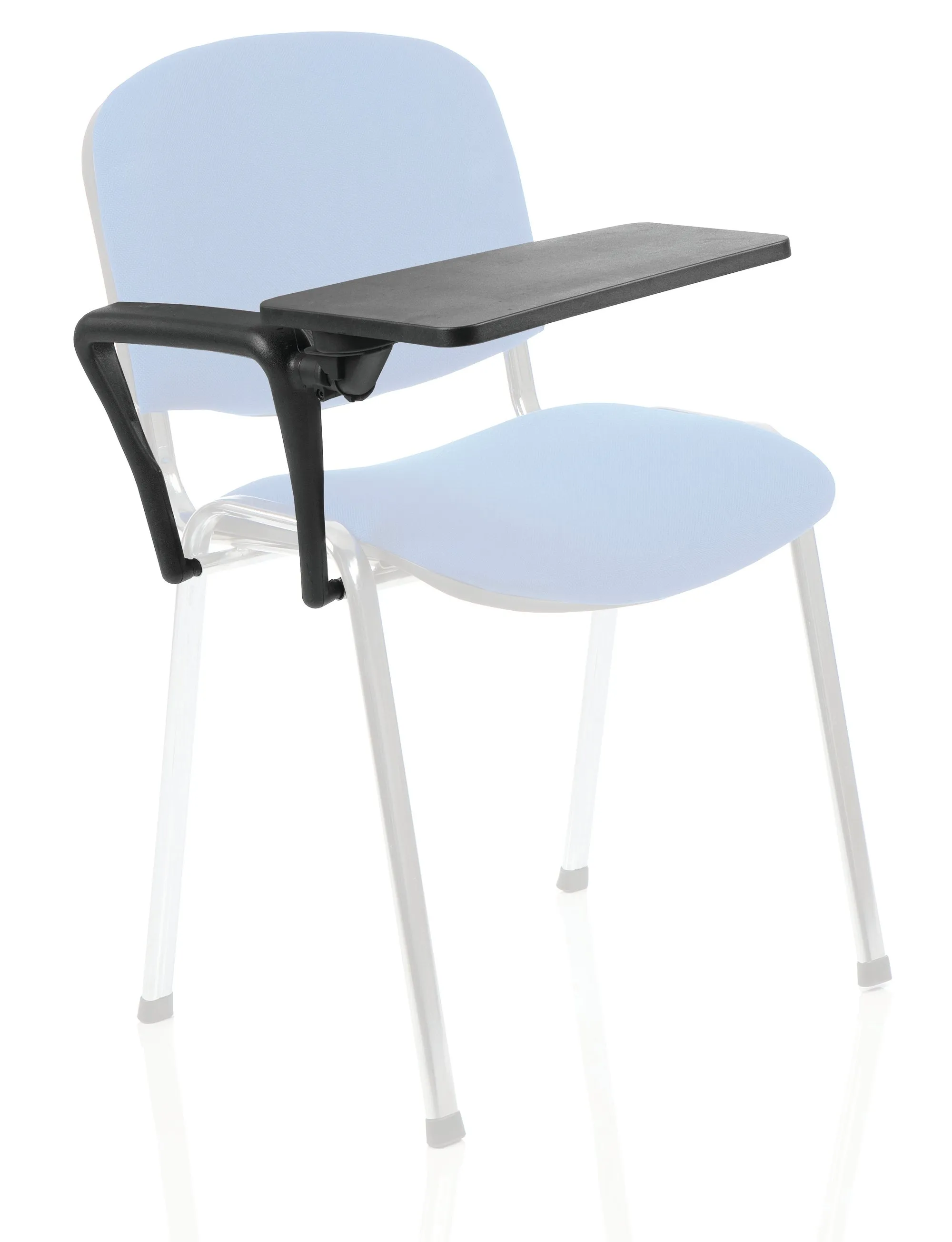
Ergonomic accessories such as footrests and document holders are genuinely useful for the people who need them and clutter for everyone else. Buy them per person on request rather than issuing them across the board.
Whiteboards and visual planning
Whiteboards and notice boards still earn their place, particularly in meeting rooms and project spaces. Wall-mounted is cheaper and more used than mobile, unless the room genuinely changes layout.
What to order with the furniture
Impulse cable spines and trays are specified alongside the desks rather than after them, which is the difference between a tidy floor and a permanent job for somebody. See cable management and electrical.
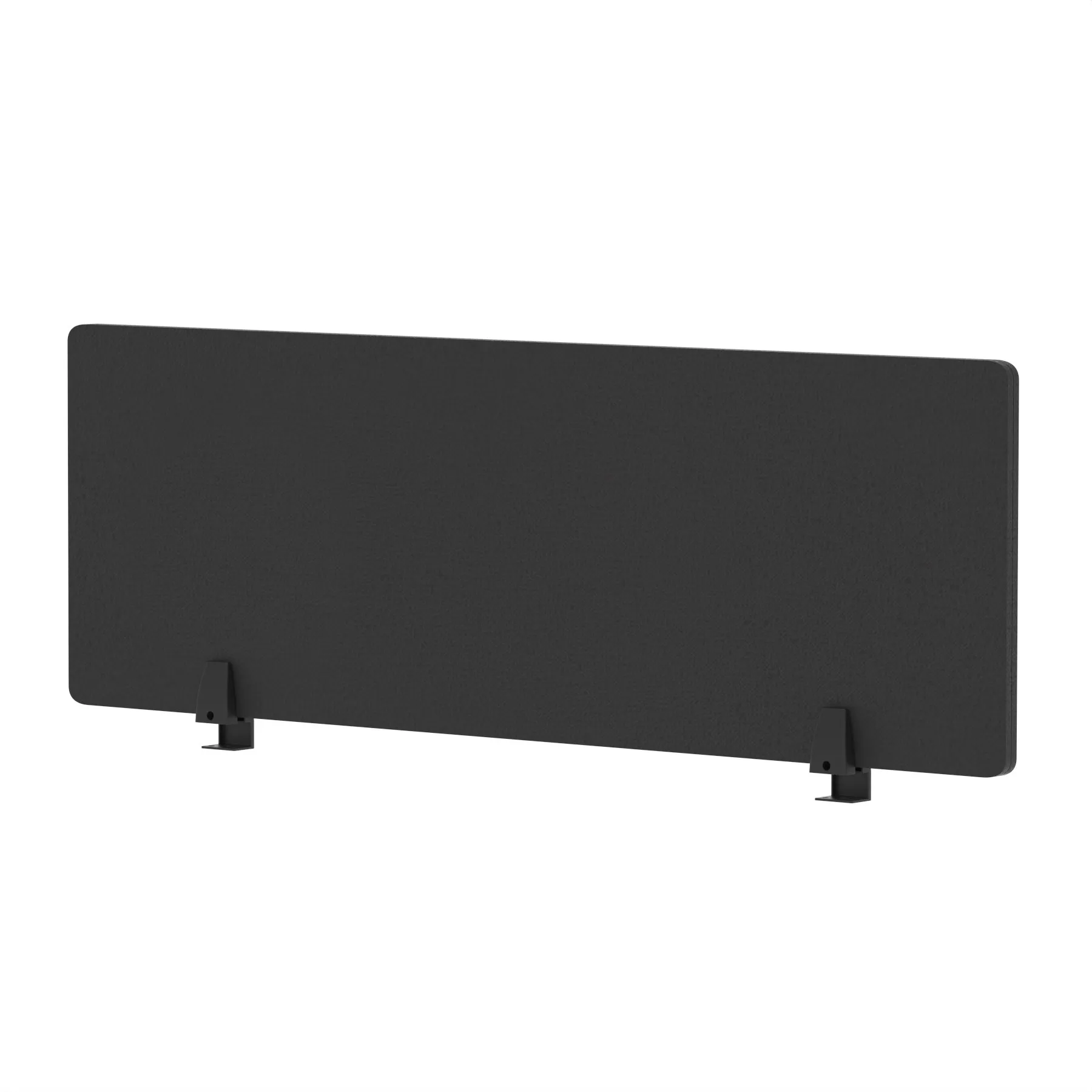
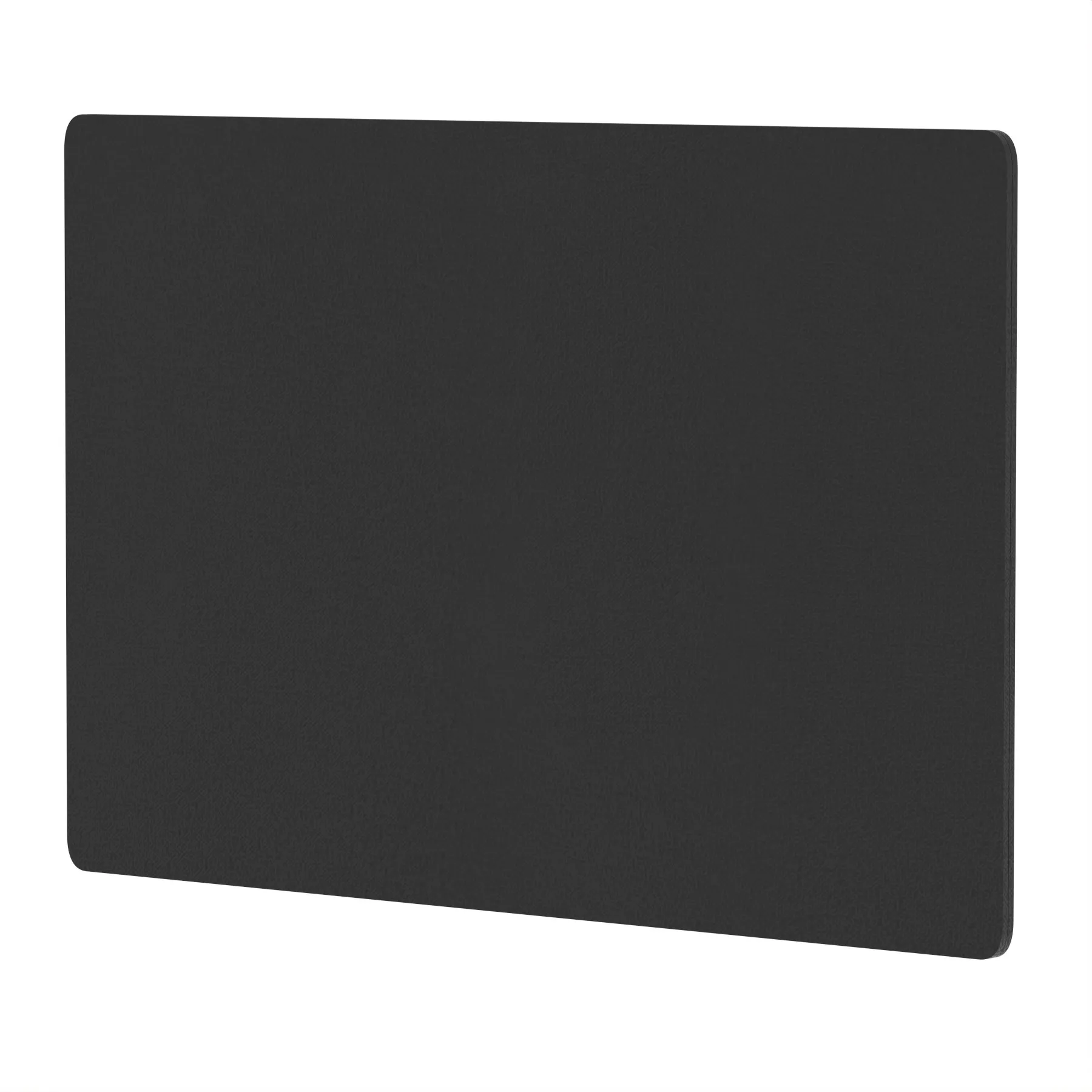
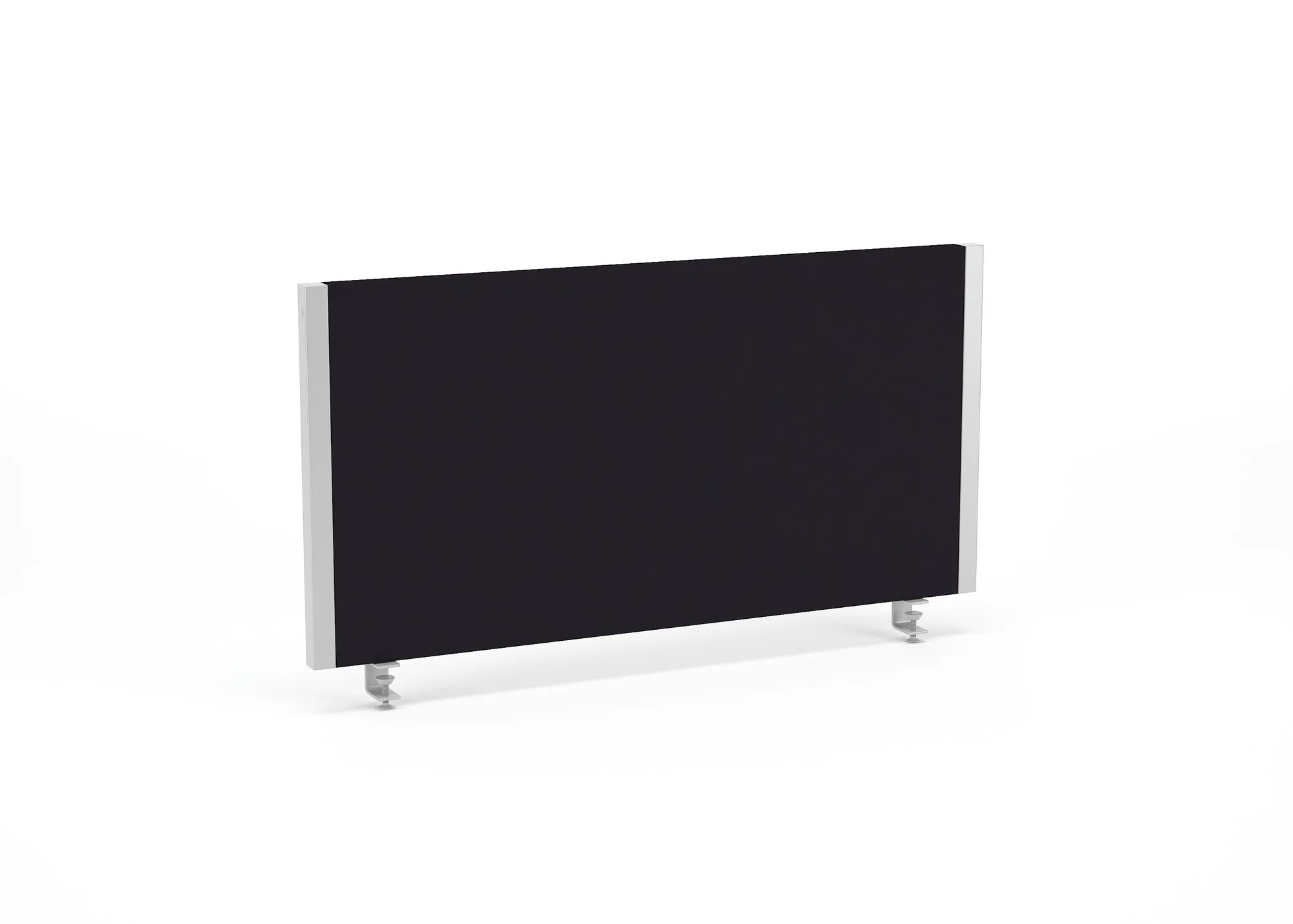
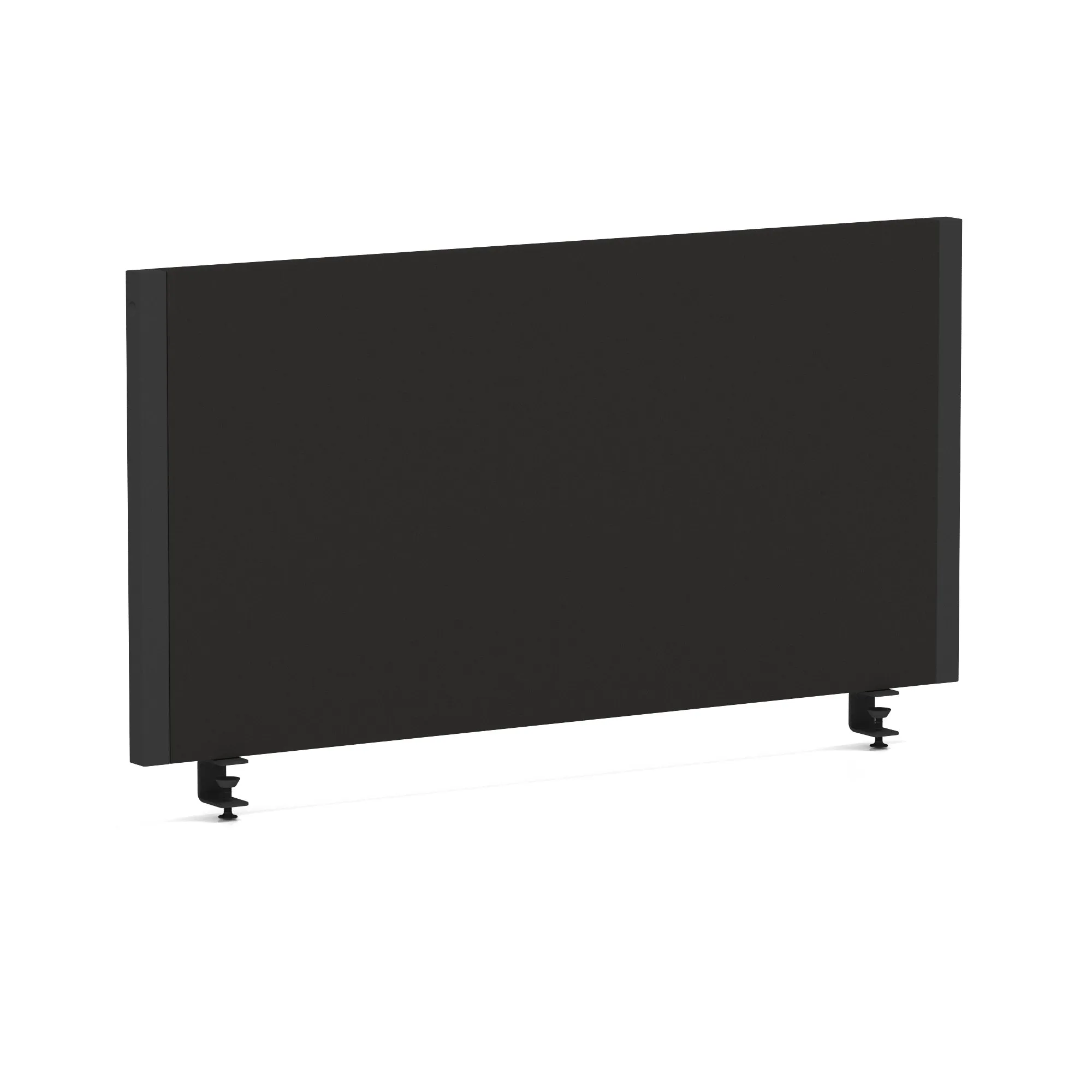
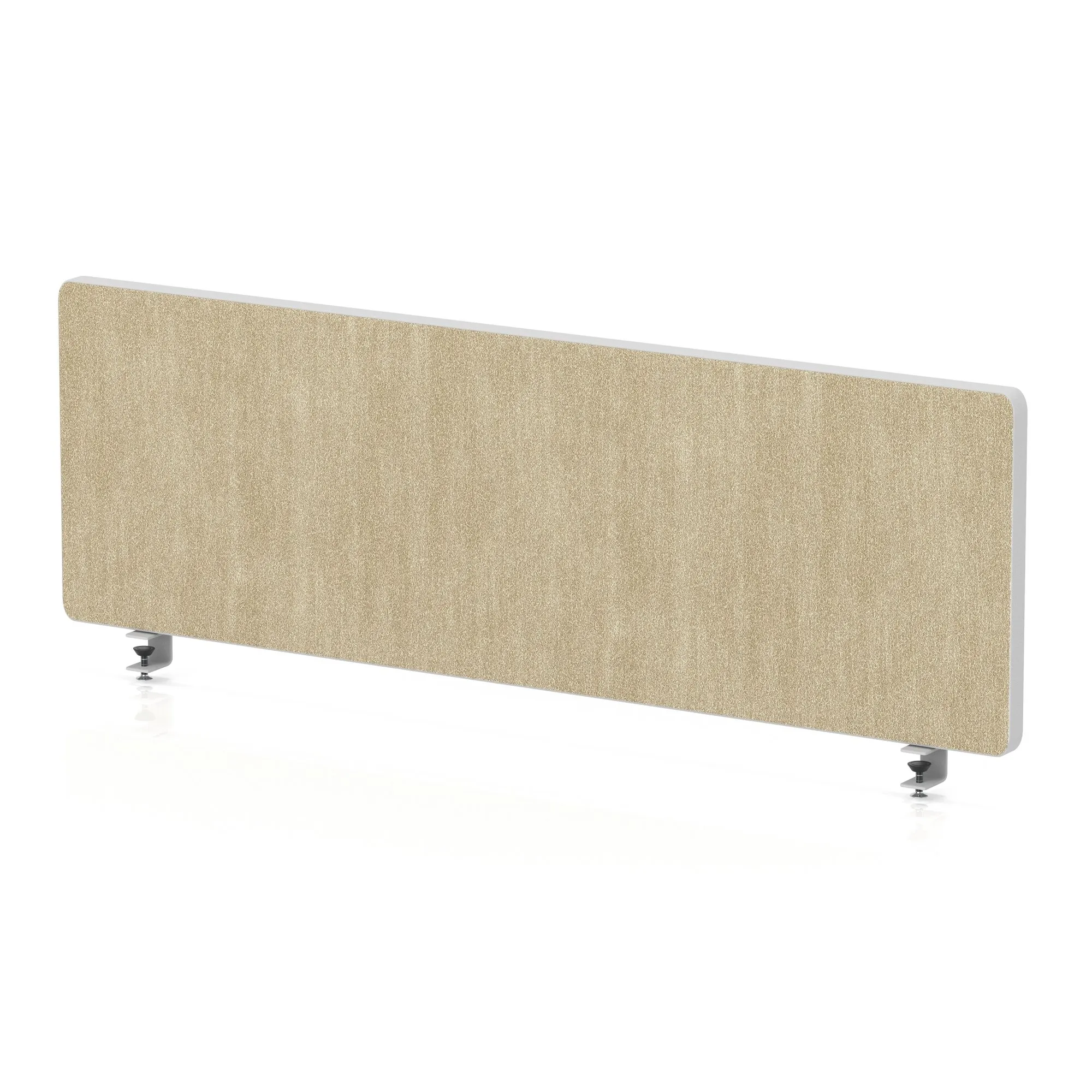
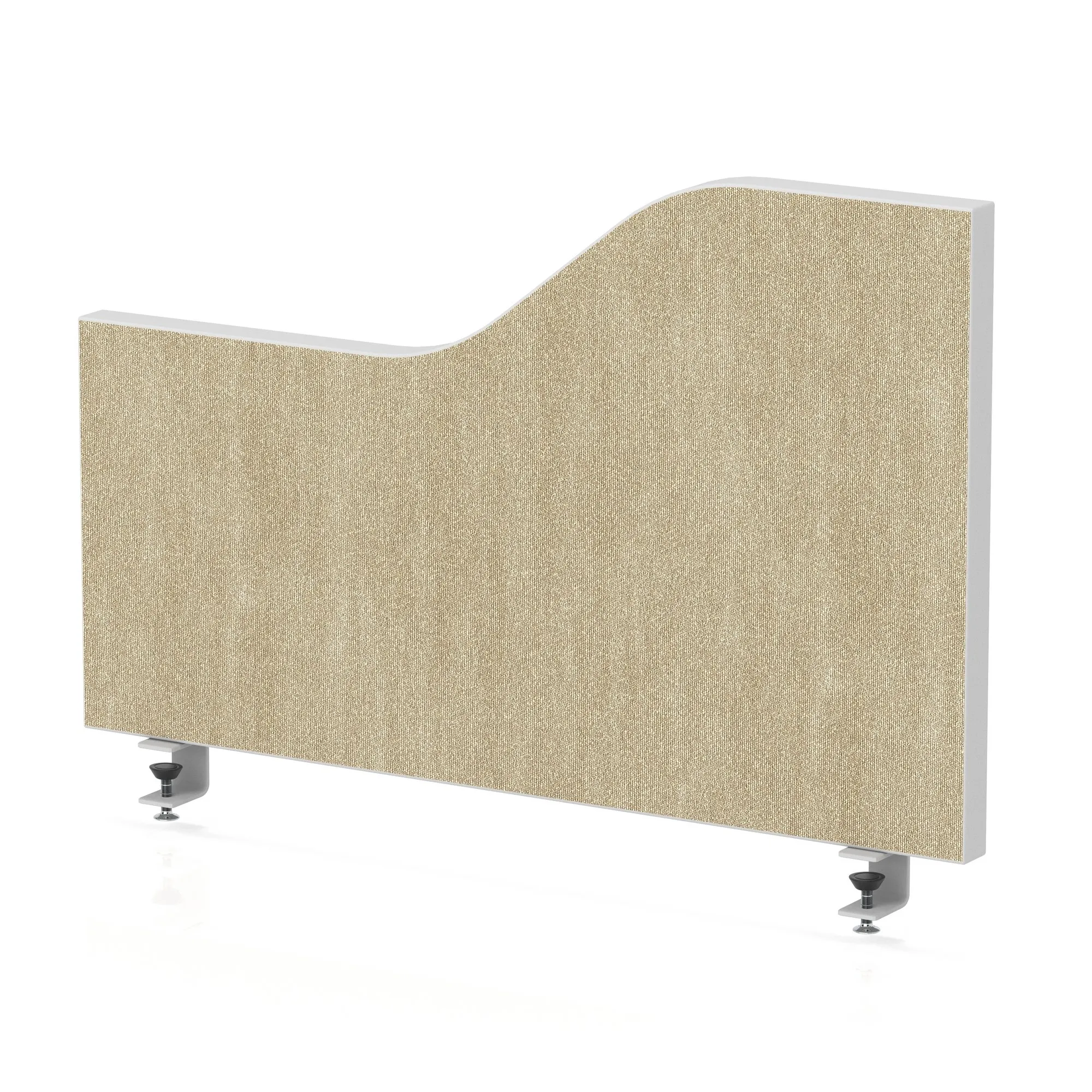
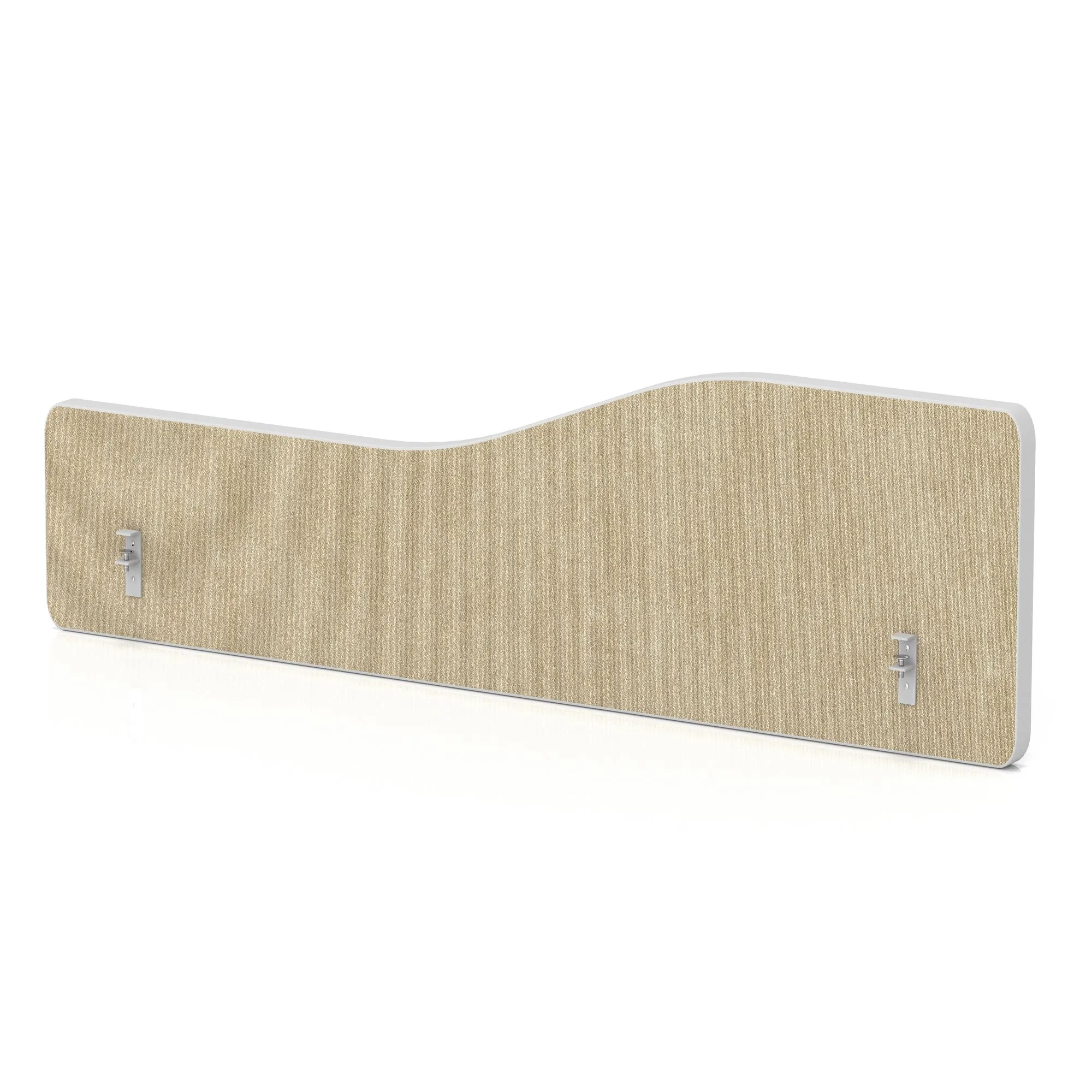
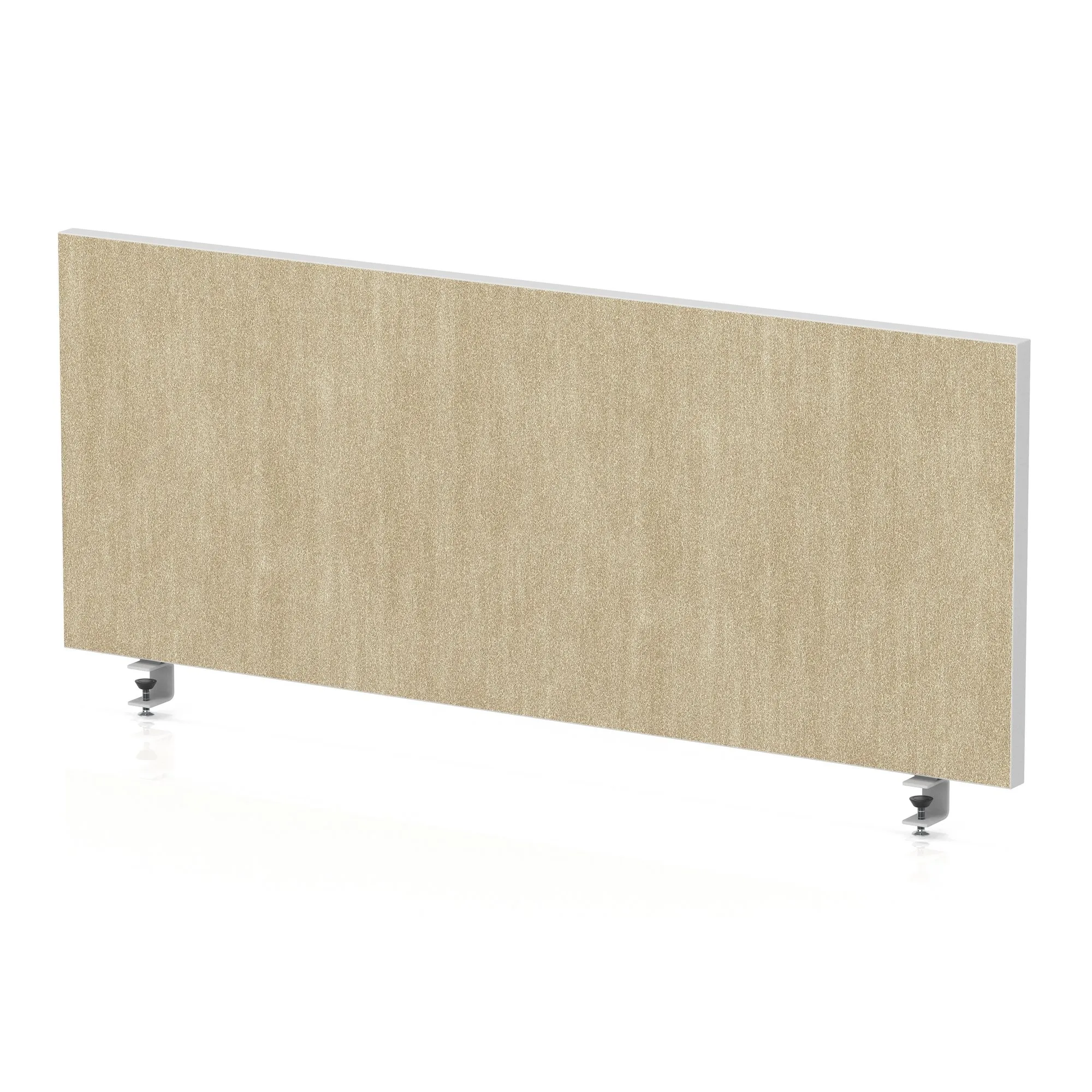
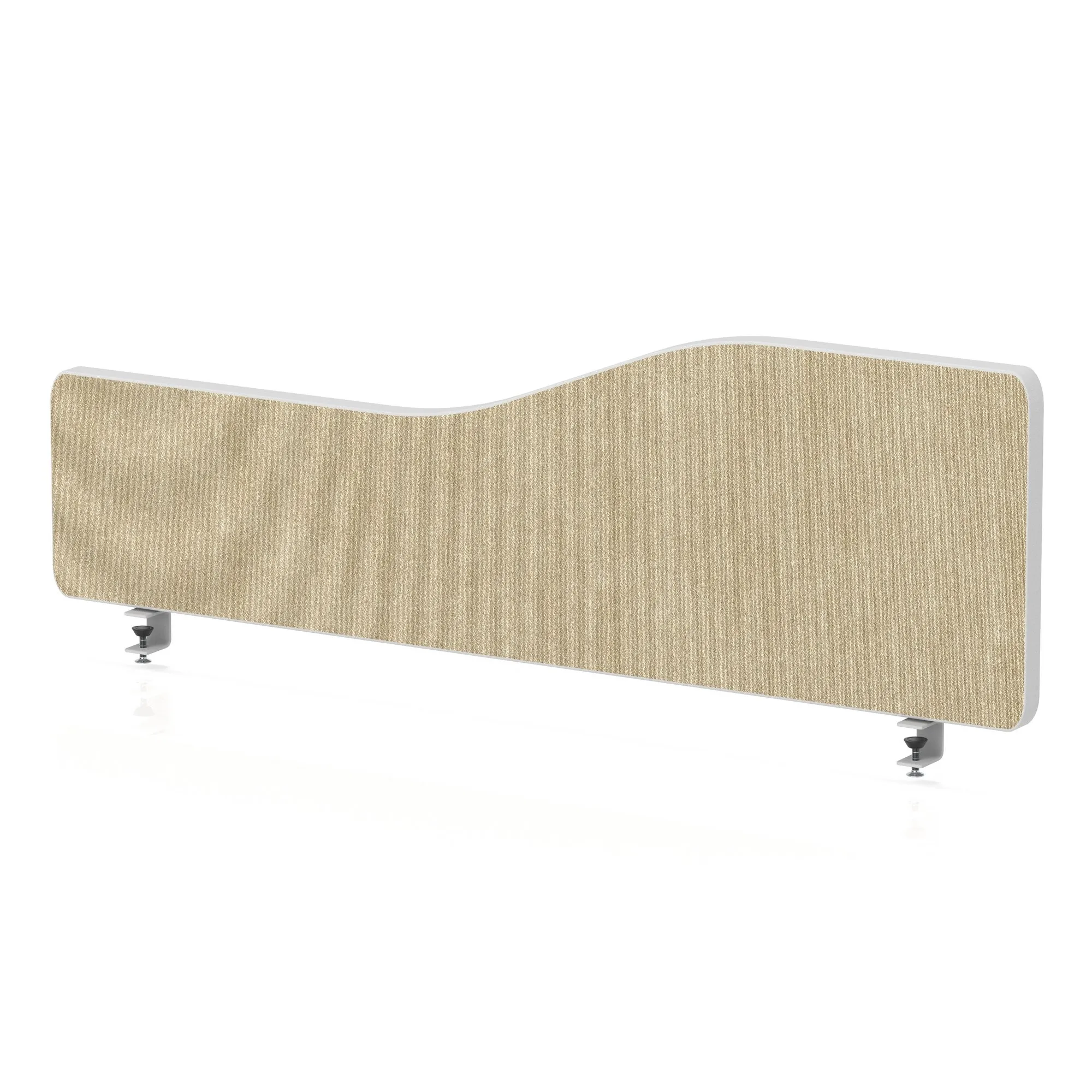
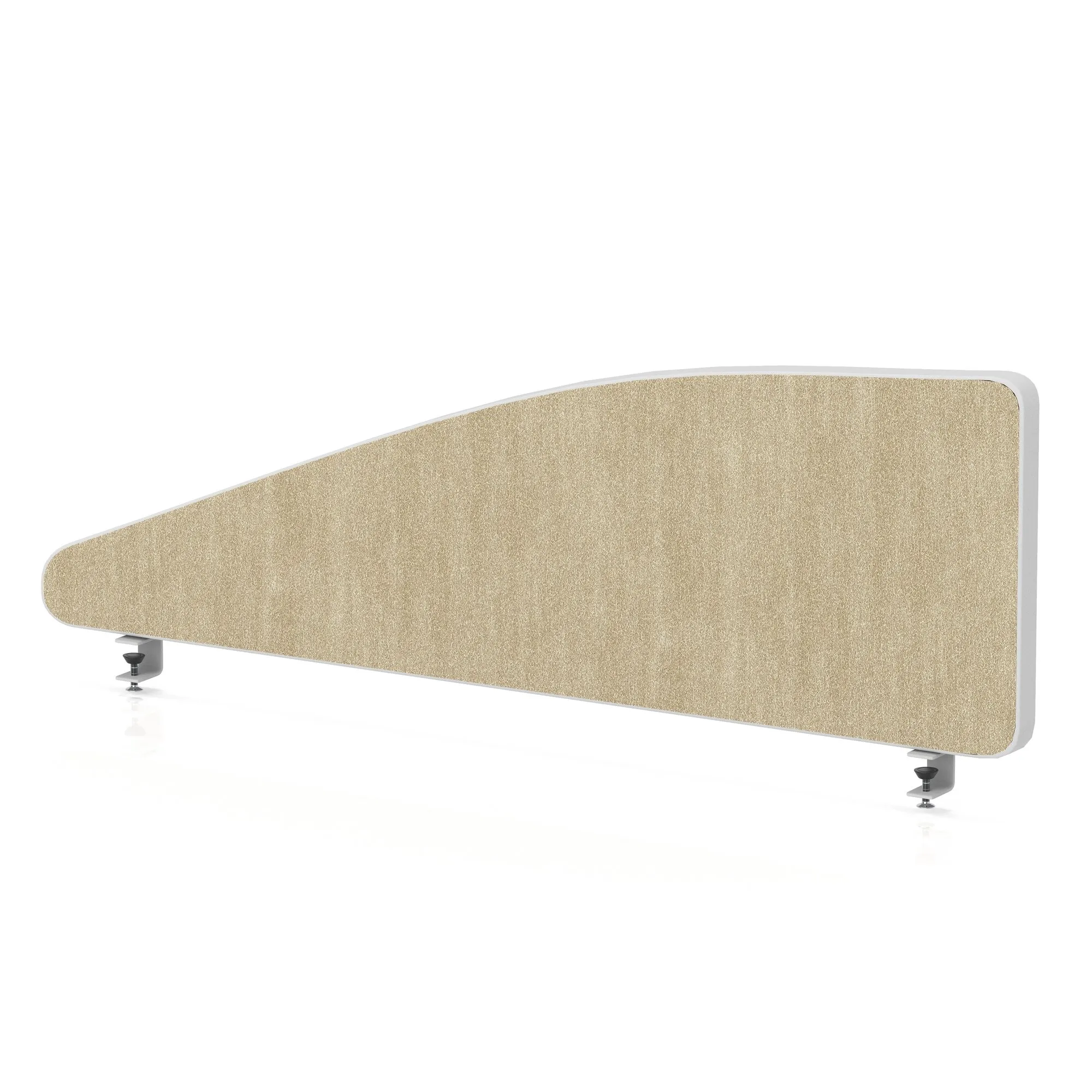
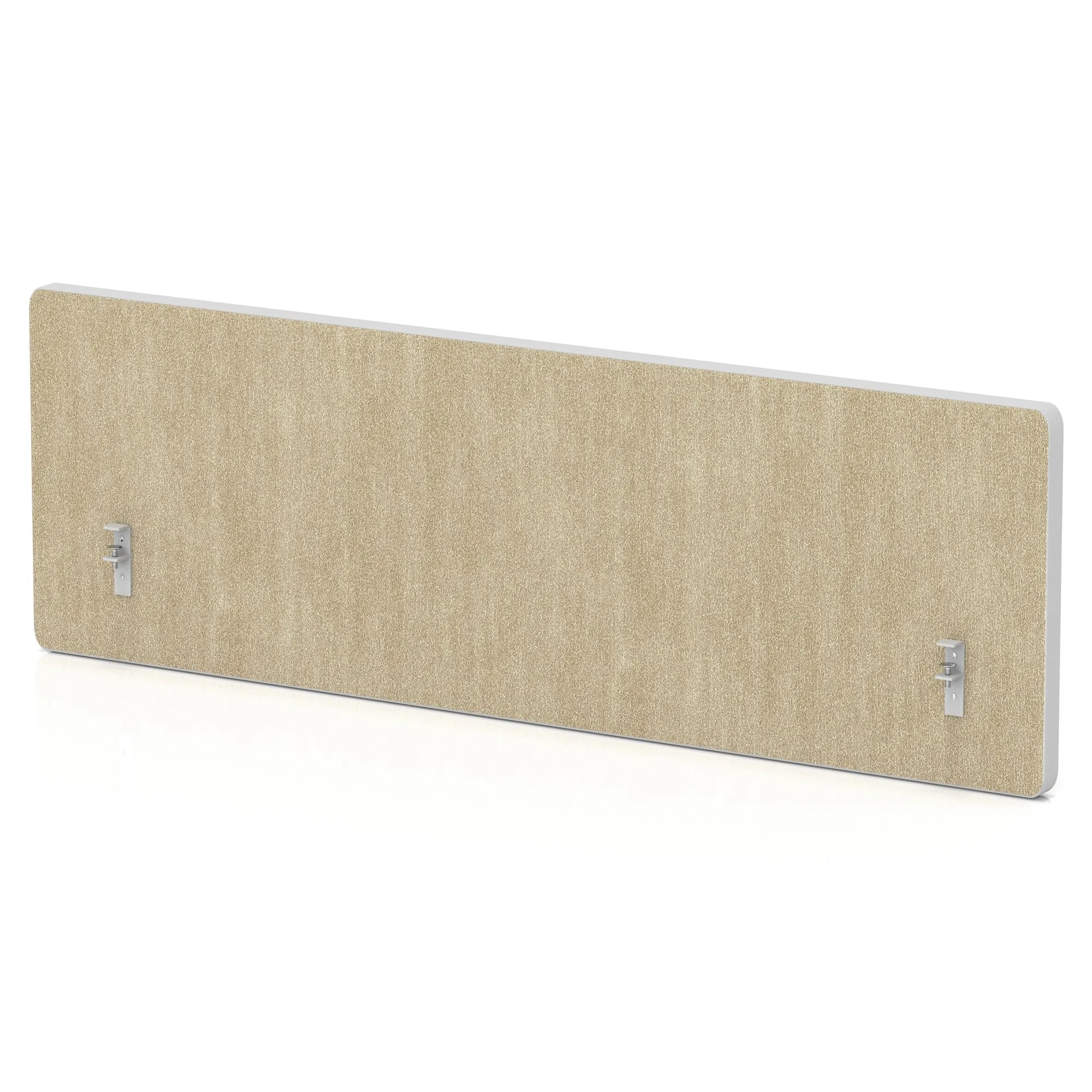
A monitor arm per desk is the single cheapest improvement most offices can make, and desktop screens are worth adding at the same time on bench desking.